In this biography
Quick facts
- Born
- 23 March 1910
- Died
- 6 September 1998
- Birthplace
- Tokyo, Japan
- Country
- Japan
- Nationality
- Not independently established
- Known for
- Rashomon, Seven Samurai, Ikiru and Ran
- Directorial debut
- Sanshiro Sugata (1943)
- Rashomon recognition
- Golden Lion, Venice, 1951
- Frequent collaborators
- Toshiro Mifune and Takashi Shimura
- Honorary Academy Award
- Presented on 26 March 1990
Why this life matters
Kurosawa helped widen international circulation of Japanese cinema while developing films whose distinct effects depended on actors, screenwriters, cinematographers, composers and designers.
Timeline
Key moments
Birth
Born on 23 March in Tokyo.
Entered studio work
Began training at P.C.L. under Kajiro Yamamoto.
First feature
Directed Sanshiro Sugata.
Rashomon released
The Daiei film opened in Japan on 26 August.
Venice recognition
Rashomon won the Golden Lion.
Seven Samurai
Directed the historical ensemble film.
Ran
Released the large-scale color drama associated with King Lear.
Honorary Academy Award
Received the award at the 62nd Academy Awards.
Death
Died on 6 September.
A studio apprenticeship before the celebrated films
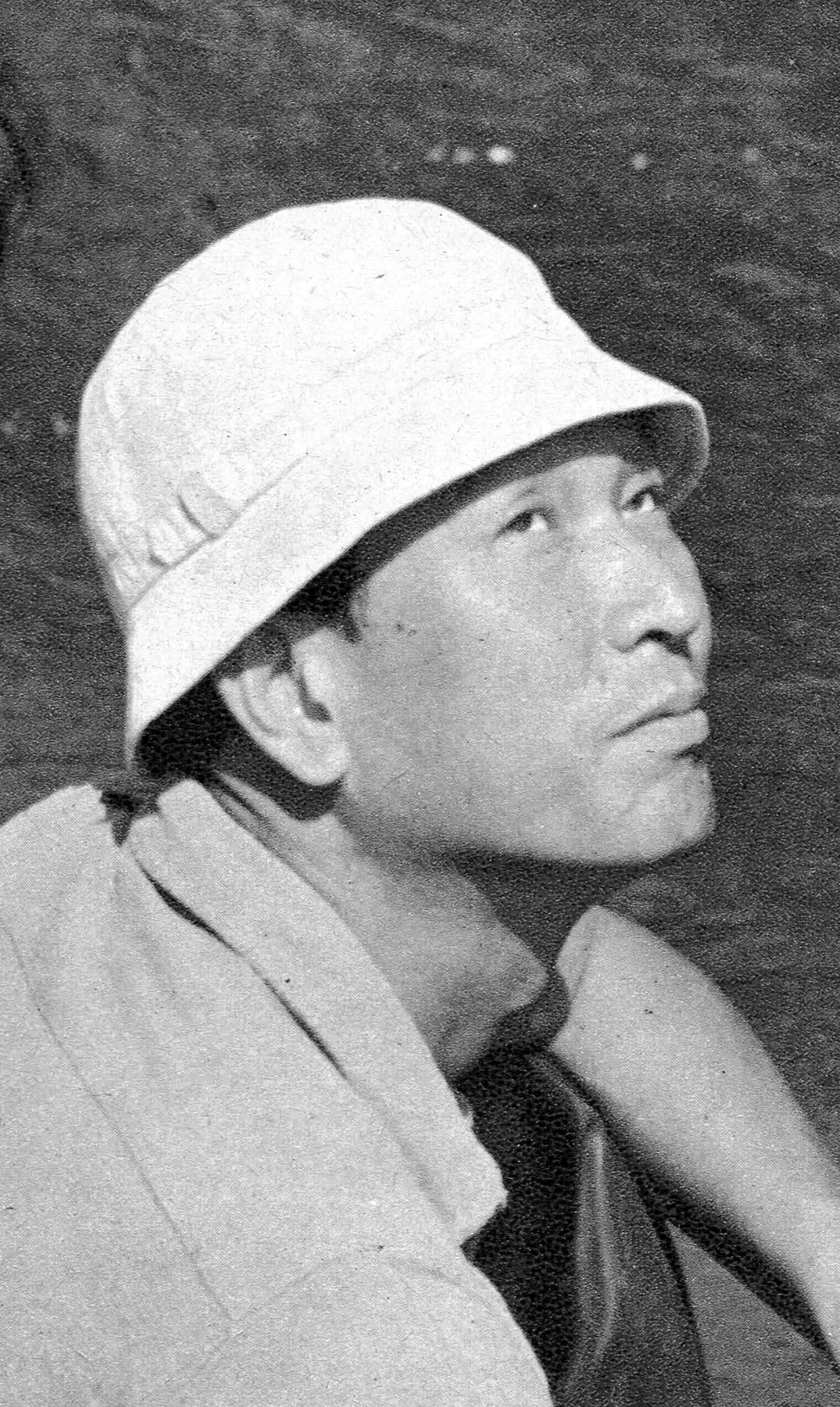
Akira Kurosawa was born on 23 March 1910. He entered the P.C.L. studio in 1936 and trained under director Kajiro Yamamoto. His first feature as director, Sanshiro Sugata, appeared in 1943. Stephen Prince’s account for Criterion describes an apprenticeship followed by a debut already marked by bold editing, camera movement and weather used for dramatic emphasis. This studio beginning matters: Kurosawa’s later authority grew from learning a collaborative production process. His filmography did not begin with the international success of Rashomon seven years after that debut.
Wartime filmmaking belongs in the career
Kurosawa’s first films were made within Japan’s wartime industry and censorship system. The Most Beautiful (1944), about women working in an optical-instrument factory, served a patriotic propaganda purpose. His next Sanshiro Sugata film also contained wartime ideological material. Postwar work then addressed different conditions: Drunken Angel and Stray Dog presented damaged urban worlds, with Toshiro Mifune becoming a major collaborator. Reading this career only through an abstract label such as humanism would flatten its changes. The production setting and political demands of the early work remain part of the record.
Rashomon made a collaboration internationally visible
Daiei released Rashomon in Japan on 26 August 1950. Kurosawa and Shinobu Hashimoto share screenplay credit; the film drew on stories by Ryūnosuke Akutagawa. Kazuo Miyagawa photographed it, Fumio Hayasaka composed the music, and Takashi Matsuyama led its art direction. Mifune, Machiko Kyō, Masayuki Mori and Takashi Shimura played central roles. The National Film Archive of Japan emphasizes this ensemble of professional work. Its account makes clear why the director’s authorship and the contributions of other filmmakers can be recognized together.
Historical action and contemporary responsibility
Seven Samurai (1954) follows a farming community and the warriors it recruits against bandits. Ikiru (1952) instead centers on a civil servant confronting mortality and the possibility of useful action. The difference is valuable for a newcomer choosing a first Kurosawa film: historical combat is only one part of the work. Throne of Blood (1957) moved Macbeth into a Japanese setting with Noh-influenced performance. These films show adaptation and genre as tools for organizing moral choices, rather than a single formula applied to every subject.
International circulation was a process
Rashomon’s Golden Lion at Venice in 1951 and honorary foreign-language film award at the March 1952 Academy ceremony helped bring new international attention. Japanese filmmaking already had a substantial history; the prizes changed access and visibility for particular foreign audiences. The National Film Archive’s poster exhibition traces different release campaigns through materials from many countries and years. This is tangible evidence of circulation. It is more precise than saying one director created Japanese cinema or that the same film reached every national audience at the same moment.
Later scale and a career award
Kurosawa’s later work included Dersu Uzala (1975), Kagemusha (1980) and Ran (1985), made through international production relationships as his career moved beyond the earlier studio system. Ran returned to Shakespearean material on an expansive scale. On 26 March 1990 he received an honorary Academy Award, presented by George Lucas and Steven Spielberg. This career honor was separate from Rashomon’s earlier award and should not be listed as a competitive directing Oscar. Kurosawa died on 6 September 1998, leaving a body of work that spans both intimate social drama and large historical ensembles.
Quick answers
Frequently asked questions about Akira Kurosawa
- Was Kurosawa only a samurai-film director?
- No. His films also include contemporary dramas such as Ikiru, Stray Dog and High and Low, as well as literary adaptations.
- Who wrote Rashomon?
- Akira Kurosawa and Shinobu Hashimoto share screenplay credit. It draws on Ryūnosuke Akutagawa’s stories In a Grove and Rashomon.
- When did Kurosawa receive his honorary Oscar?
- The award was presented at the 62nd Academy Awards on 26 March 1990, honoring the 1989 awards year. It is separate from Rashomon’s March 1952 honorary film award.
Keep exploring
Lives connected to this story
- Natsume Sōseki
Explore another modern Japanese career in storytelling, alongside a distinct profession in literary study.
- Walt Disney
Compare how another film enterprise organised collaboration and international circulation; no direct partnership is implied.
- Ryūnosuke Akutagawa
Explore the writer whose two stories supplied different elements of Rashomon.
Sources and further reading
Explore the evidence
These references support the biography and offer further reading. Official records, first-person accounts and independent reporting provide different perspectives; image records document attribution and licensing.
- 1. Stephen Prince / The Criterion CollectionEclipse Series 23: The First Films of Akira Kurosawa
- 2. Jasper Sharp / British Film InstituteAkira Kurosawa: 10 essential films
- 3. Stephen Prince / The Criterion CollectionThe Rashomon Effect
- 4. National Film Archive of JapanRashomon (1950): collection film record, staff and cast
- 5. National Film Archive of JapanRashomon at the 70th Anniversary (2020): production and reception
- 6. La Biennale di VeneziaHistory of the Venice Film Festival: 1951 Golden Lion
- 7. Academy of Motion Picture Arts and SciencesThe 24th Academy Awards, 20 March 1952
- 8. National Film Archive of JapanTraveling Akira Kurosawa: international poster exhibition (2018)
- 9. Academy of Motion Picture Arts and SciencesThe 62nd Academy Awards, 26 March 1990
- 10. The Criterion CollectionSeven Samurai (1954): film record, synopsis and credits
- 11. The Criterion CollectionRan (1985): film record, synopsis and credits
- 12. Inamori Foundation / Kyoto PrizeAkira Kurosawa: 1994 laureate biographical profile