
The short answer
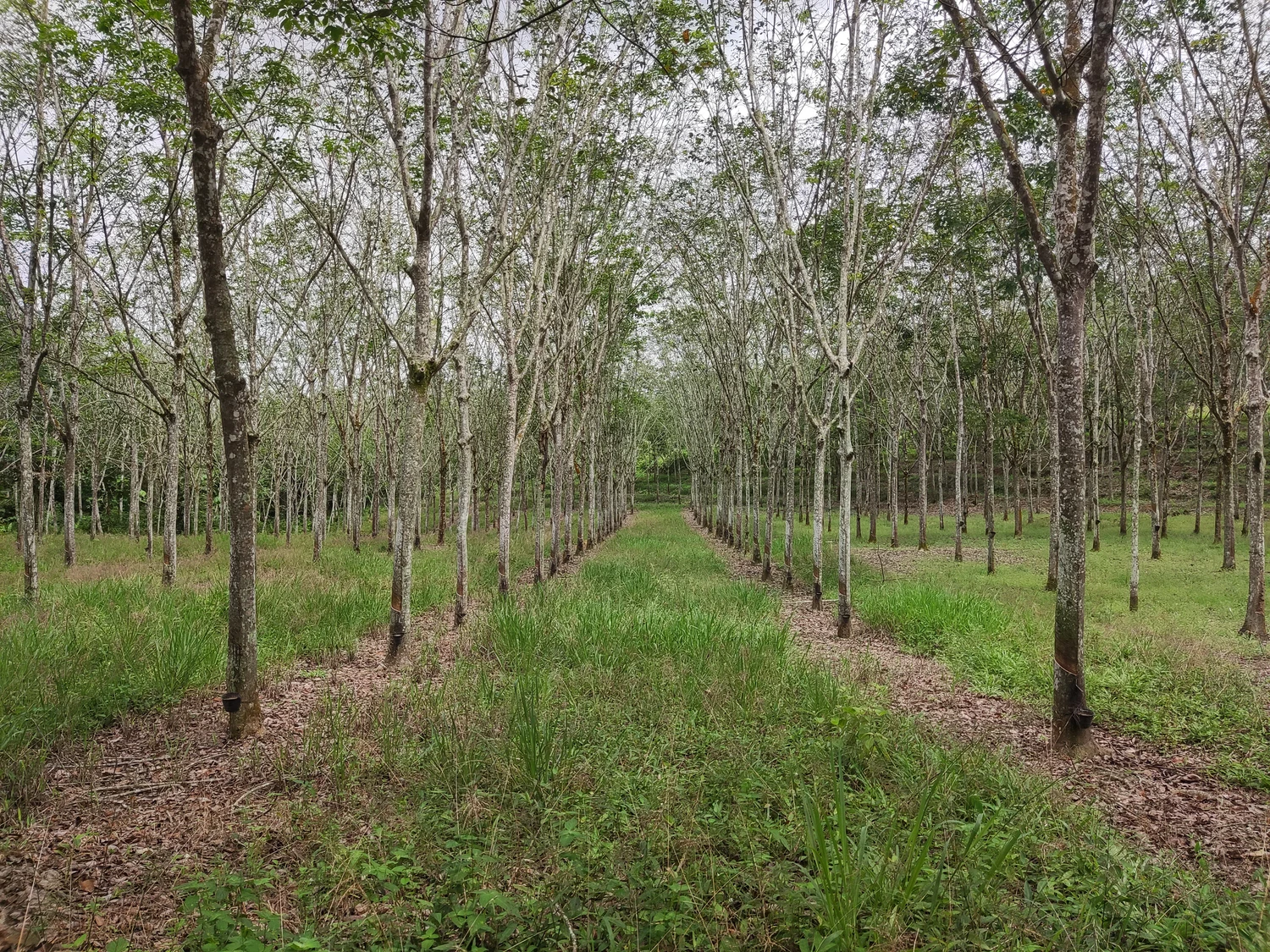
A farmer who replaces old rubber trees gives up tapping the replaced trees during the years before the new ones mature. This makes replanting a financial problem as well as a planting decision. Malaysia created RISDA to address such problems among smallholders who were already working the land.
Reading the records
Which problem each record addresses
Replanting has a time lag and requires more than a sales or quality standard.
| Issue | Record | Role |
|---|---|---|
| Funding | 1952 ordinance | An earlier replanting fund mechanism. |
| Administration | 1972 act, effective January 1973 | A dedicated authority for smallholders. |
| Extension and guidance | February 1973 launch speech | An integrated approach to adoption of research and replanting. |
Chronology
A timeline of the turning points
Replanting fund ordinance
A mechanism for funding replanting preceded RISDA.
Act 85 commenced
The Rubber Industry Smallholders Development Authority took statutory form.
Launch ceremony
Abdul Razak set out an integrated approach to smallholder development.
The fund came before the authority
RISDA’s official history lists two pieces of legislation behind its founding. The 1952 ordinance concerned a rubber replanting fund. The Rubber Industry Smallholders Development Authority Act 1972 created the new authority with effect from 1 January 1973. Keeping the two dates separate makes it possible to trace a funding mechanism that was already operating before there was an agency called RISDA.
Why smallholders needed support between crops
Replanting commits a plot to new trees whose latex cannot be harvested immediately. The World Bank’s contemporary sector appraisal describes lower incomes among many rubber smallholders and government efforts to improve their position. The authority’s profile connects replacement planting to guidance and research. For a grower, a biological improvement only becomes practical when the household can manage the years between plantings and returns.
What the launch speech added
At the official launch on 8 February 1973, Prime Minister Abdul Razak called for an integrated approach. The institutional history refers to work previously spread across replanting, research and marketing bodies. That helps explain why RISDA’s mandate was broader than administering payments. Buyers and exporters could separately rely on technical grades to classify the material once farmers produced it.
Continue the chronology
Related history guides
How FELDA’s First Settlers Arrived at Lurah Bilut
Read how a different authority allocated rubber holdings to pioneers.
Read the timeline1966–1997How FELCRA Rehabilitated Rural Land and Became a Company
See why reorganising an existing holding differs from replacing old trees.
Read the timeline1965–1969How Standard Malaysian Rubber Changed Grading in 1965
Follow what happens to rubber once its quality is measured for sale.
Read the timelineConnected biographies
People in this history
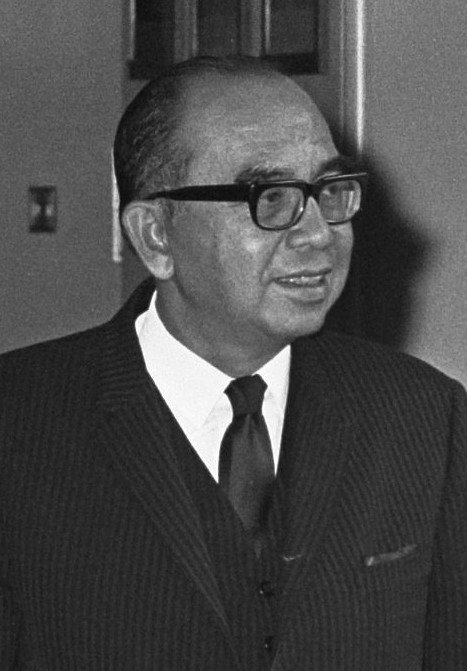
1922—1976
Abdul Razak Hussein
Second Prime Minister of MalaysiaMalaysia’s second prime minister, remembered for rural development, post-1969 reconstruction and a far-reaching programme of social and economic restructuring.Read biographyQuick answers
Common questions
- Was RISDA established in 1972 or 1973?
- Act 85 is dated 1972. Its commencement and the authority’s establishment were on 1 January 1973.
- When was RISDA formally launched?
- The official history gives 8 February 1973 for the launch ceremony.
Primary and institutional sources
How this history was checked
Dates, legal milestones and historical claims are checked against the official and institutional records below. This article was reviewed on 19 November 2026.