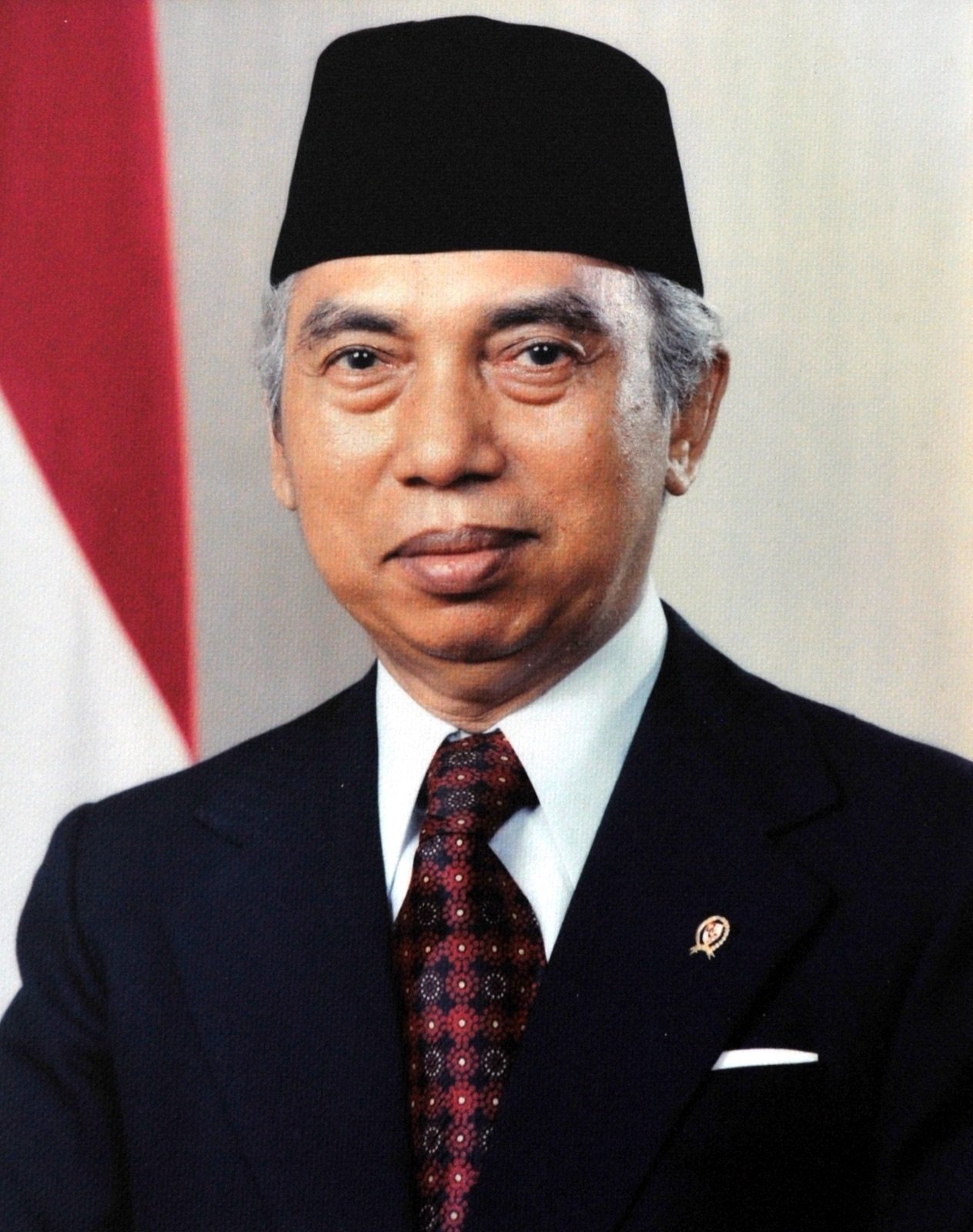
In this biography
Quick facts
- Born
- 11 March 1922
- Died
- 14 January 1976
- Birthplace
- Pekan, Pahang
- Country
- Malaysia
- Nationality
- Malaysian
- Known for
- Rural development, the New Economic Policy and co-founding ASEAN
- Full name
- Abdul Razak bin Hussein
- Office
- Prime Minister, 1970–1976
- Earlier office
- Deputy Prime Minister, 1957–1970
- Regional role
- ASEAN founding signatory, 1967
- Also known as
- Bapa Pembangunan · Father of Development
Why this life matters
Razak helped build the machinery of the developmental state and set the terms of Malaysia’s political economy for decades after 1970.
Timeline
Key moments
Born in Pahang
Born in Pulau Keladi near Pekan on 11 March.
Returned as a barrister
Returned to Malaya after legal studies in Britain and entered public life.
Became UMNO deputy president
Rose alongside Tunku Abdul Rahman in the independence movement.
First deputy prime minister
Took the deputy premiership and the rural development portfolio after independence.
Signed the ASEAN Declaration
Represented Malaysia among the five ministers who founded ASEAN in Bangkok on 8 August.
Directed emergency administration
Chaired the National Operations Council after the May 13 violence and suspension of Parliament.
Became prime minister
Succeeded Tunku Abdul Rahman as Malaysia’s second prime minister.
New Economic Policy began
The Second Malaysia Plan set out poverty-eradication and social-restructuring goals.
Died in office
Died in London on 14 January while serving as prime minister.
An administrator shaped by independence
Abdul Razak was born in 1922 in Pulau Keladi, Pahang. He studied at the Malay College Kuala Kangsar and later read law in Britain. After returning to Malaya in 1950, he moved quickly from the civil service into UMNO politics and became the party’s deputy president in 1951.
He worked closely with Tunku Abdul Rahman during the constitutional negotiations that preceded independence. When Malaya became independent in 1957, Razak became deputy prime minister and defence minister, placing him at the centre of both security policy and the construction of a new federal administration.
Rural development as a national system
Razak treated rural development as a problem of delivery as much as policy. Government operations rooms, district-level monitoring and the Red Book system were used to track roads, schools, clinics, land schemes and agricultural support. These methods helped turn development planning into a visible part of everyday government.
Agencies and programmes associated with land development and rural modernisation expanded during his years as deputy prime minister. The approach earned him the honorific “Father of Development”, although the benefits and trade-offs of state-led development remained uneven across places and communities.
Rebuilding after 1969
Following the violence of May 1969, Razak chaired the National Operations Council during the period of emergency rule. When parliamentary government resumed, he succeeded Tunku as prime minister in September 1970 and oversaw a new policy framework intended to reduce poverty and address the identification of economic roles with ethnicity.
The New Economic Policy was introduced through the Second Malaysia Plan in 1971. Its two stated objectives—eradicating poverty irrespective of race and restructuring society—became central to public policy. The programme enlarged the state’s economic role and reshaped debates about equality, opportunity and affirmative action.
Coalition-building and foreign policy
Razak broadened the governing coalition into Barisan Nasional, bringing former opposition parties into a larger national arrangement. Internationally, his government pursued a more diversified foreign policy and established diplomatic relations with the People’s Republic of China in 1974.
He died from illness in London in January 1976, leaving a short premiership with a long institutional afterlife. Later governments revised the instruments he used, but rural development, coalition management and economic restructuring remained core features of Malaysian politics.
Quick answers
Frequently asked questions about Abdul Razak Hussein
- Who was Abdul Razak Hussein?
- Abdul Razak Hussein was a second Prime Minister of Malaysia. Razak helped build the machinery of the developmental state and set the terms of Malaysia’s political economy for decades after 1970.
- What is Abdul Razak Hussein best known for?
- Abdul Razak Hussein is best known for rural development, the New Economic Policy and co-founding ASEAN.
- When and where was Abdul Razak Hussein born?
- Abdul Razak Hussein was born on 11 March 1922 in Pekan, Pahang.
- When did Abdul Razak Hussein die?
- Abdul Razak Hussein died on 14 January 1976.
Sources and further reading
How this biography was checked
Core dates and offices are checked against the sources below. This profile was last reviewed on 31 August 2026.