In this biography
Quick facts
- Born
- 2 August 1948
- Birthplace
- Ottawa, Ontario
- Country
- Canada
- Nationality
- Canadian
- Known for
- Ontario’s 1990–1995 NDP government, later Liberal leadership and international public service
- Legal education
- University of Toronto, LL.B., 1977
- Ontario premier
- 1990–1995
- Interim Liberal leader
- 2011–2013
- UN ambassador
- 2020–2025
Why this life matters
Rae’s career spans competing responses to recession, changing party loyalties and the use of Canadian political experience in negotiation, refugee advocacy and multilateral institutions.
Timeline
Key moments
Education and law
Born in Ottawa; studies at Toronto and Oxford as a Rhodes Scholar, then earns his law degree in Toronto.
Federal MP and Ontario NDP leader
Enters Parliament in 1978, becomes provincial NDP leader in 1982 and negotiates the 1985 Liberal–NDP accord.
Ontario’s NDP premier
Leads a majority government during recession; the 1993 Social Contract provokes a major rupture with public sector unions.
Departure and a different party
Leaves provincial politics, later joins the Liberals, returns to Parliament and serves as interim Liberal leader in 2011–2013.
Negotiation and the Rohingya crisis
Leaves Parliament for First Nations negotiating work; serves as special envoy to Myanmar and publishes a 2018 report.
United Nations service
Serves as Canada’s ambassador to the UN, including the one-year ECOSOC presidency beginning in July 2024.
An international childhood preceded Canadian political work
Robert Keith Rae was born in Ottawa on 2 August 1948. His father’s diplomatic career took the family abroad, and his schooling included Ottawa, Washington and Geneva. He studied modern history at the University of Toronto and pursued graduate study at Oxford as a Rhodes Scholar before returning to Toronto for law, completing his degree in 1977.
That route combined international experience with Canadian legal and political institutions. He worked in labour law and became active in the New Democratic Party. His later changes of party affiliation should not obscure the years of organizing, parliamentary work and provincial leadership that preceded his better-known premiership.
Parliamentary opposition led to an Ontario majority
Rae entered the House of Commons through an October 1978 by-election. As a federal New Democrat he worked on economic issues before becoming leader of the Ontario NDP in February 1982. In 1985 he negotiated an accord under which the NDP supported David Peterson’s Liberal minority government for two years without joining its cabinet.
The provincial election of September 1990 gave the NDP a majority and brought Rae to the premiership. Governing from 1990 to 1995 was a different task from sustaining another party’s minority. The recession and pressure on public finances placed employment, services and the expectations of the party’s labour supporters in direct tension.
The Social Contract fractured a central political relationship
The government’s 1993 Social Contract sought public sector compensation savings while limiting job losses. Its legislation and unpaid-leave provisions became inseparable from the expression “Rae Days.” For public sector unions, the policy raised a deeper objection: a government associated with labour was imposing constraints on compensation and collective bargaining.
Historian Larry Savage describes fierce opposition but also differences among unions over whether to break their NDP affiliations. Rae’s government lost the 1995 election to Mike Harris’s Progressive Conservatives. The labour rupture is an important part of that history, but it is not sufficient evidence that one law alone explains an election fought after a difficult governing term.
Leaving the NDP led to a second parliamentary career
Rae left the Ontario party leadership and legislature in 1996 and subsequently left the NDP. In 2006 he joined the Liberal Party and entered its leadership contest, finishing third. He returned to the House of Commons as a Liberal MP for Toronto Centre in 2008, bringing provincial governing experience into a different federal party.
After the Liberals’ severe 2011 election defeat, he served as interim leader until 2013. That role concerned rebuilding an opposition party rather than leading a government. Justin Trudeau succeeded him as party leader. The move across party lines remains a substantial feature of his career, not merely a change in the label attached to an otherwise unchanged political role.
Negotiation and refugee advocacy extended beyond elections
In June 2013 Rae announced his departure from Parliament to concentrate on work as chief negotiator for First Nations involved in Ontario’s Ring of Fire development discussions. Legal practice, teaching and public policy work supplied other settings for his experience outside elected office.
As Canada’s special envoy to Myanmar, he visited Myanmar and Bangladesh during the Rohingya crisis, including refugee camps. His 2018 report, Tell Them We’re Human, connected humanitarian assistance with accountability and coordinated international action. The assignment was a specific diplomatic and investigative responsibility; it did not itself resolve the crisis. Its emphasis on listening to displaced people forms a different chapter from his earlier debates over Ontario’s public finances.
United Nations service was followed by an academic role
Rae served as Canada’s ambassador and permanent representative to the United Nations from 2020 to 2025. In July 2024 he was elected president of the UN Economic and Social Council for a one-year term. The government’s announcement linked that presidency to sustainable development, financing and cooperation on emerging global challenges.
Those dates matter: neither the ambassadorship nor the 2024–2025 presidency should be described as his current office in October 2026. Queen’s University now lists him as a professor and Matthews Fellow in Global Public Policy. His wider career therefore includes legislative opposition, provincial government, negotiation, diplomacy and teaching, with distinct responsibilities and controversies in each setting.
Quick answers
Frequently asked questions about Bob Rae
- When was Bob Rae premier of Ontario?
- He led Ontario’s NDP government from 1990 to 1995, after the party won a majority in the September 1990 election.
- Did Rae remain in the NDP throughout his career?
- No. He left the NDP after his provincial leadership, joined the Liberals in 2006 and later served as a Liberal MP and interim federal party leader.
- Were Rae Days imposed identically on every public employee?
- No. The Social Contract included negotiated arrangements, a statutory fallback and exclusions. Its unpaid-leave ceiling did not mean every public employee took the same number of days.
- Is Rae still Canada’s UN ambassador?
- His documented service ran from 2020 to 2025. His ECOSOC presidency was the separate one-year term beginning in July 2024. Queen’s University lists a subsequent academic role.
Keep exploring
Lives connected to this story
- Tommy Douglas
Explore an earlier NDP premier’s approach to public services and the conflicts around their implementation.
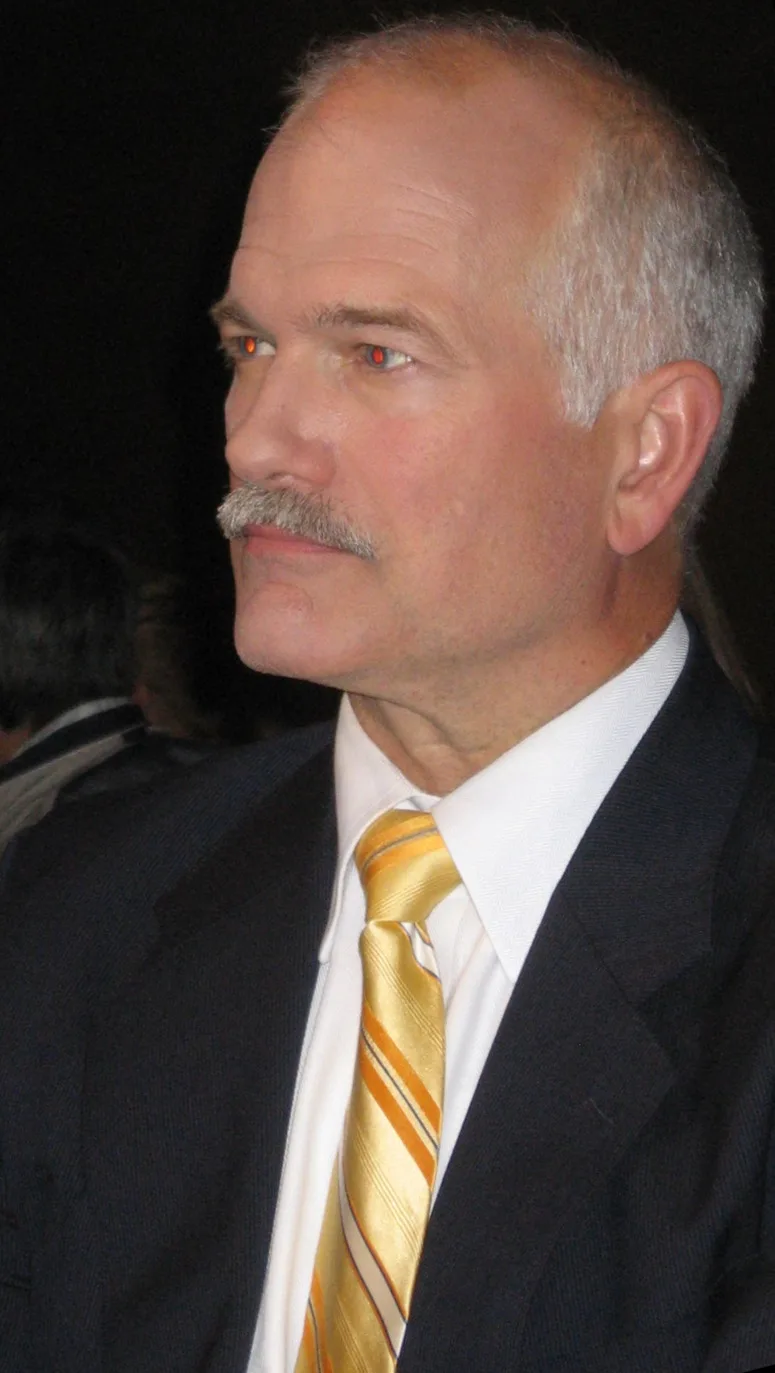
- Jack Layton
Compare the federal NDP leader whose party’s 2011 breakthrough preceded Rae’s interim Liberal leadership.
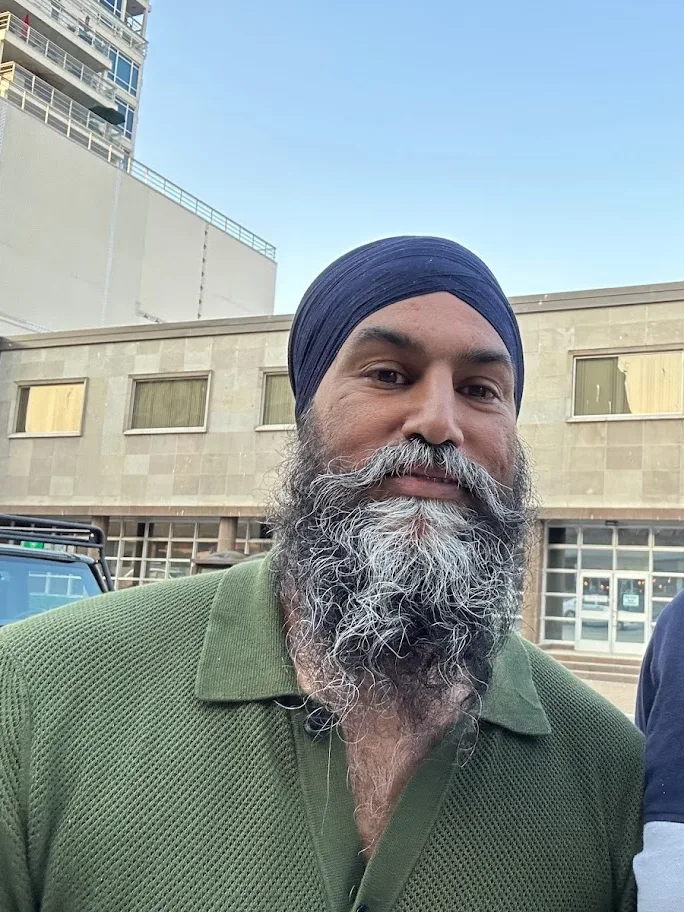
- Jagmeet Singh
Follow a later Ontario politician’s route into federal NDP leadership.
Sources and further reading
Explore the evidence
These references support the biography and offer further reading. Official records, first-person accounts and independent reporting provide different perspectives; image records document attribution and licensing.
- 1. Queen’s University / School of Policy StudiesBob Rae: Professor and Matthews Fellow in Global Public Policy; UN service 2020–2025
The current university profile explicitly dates the UN ambassadorship to 2020–2025 and lists the academic appointment. It conflicts with Canadian Who’s Who on the formal name of the Oxford graduate degree; the biography says graduate study rather than choosing an unresolved degree label.
- 2. CityNewsBob Rae resigns as MP: key events in his life and career, 19 June 2013
The dated 2013 chronology was read for earlier milestones and the announced parliamentary departure. It cannot establish present employment.
- 3. Canadian Who’s WhoRobert Keith Rae: biographical entry updated 15 September 2026
- 4. Global Affairs CanadaCanada’s special envoy to Myanmar: update on Rohingya crisis, 15 February 2018
- 5. Government of Canada PublicationsTell Them We’re Human: what Canada and the world can do about the Rohingya crisis, 2018 report catalogue and executive summary
The report catalogue and indexed executive-summary material were read, not the complete 2018 report. Direct retrieval failed. The narrower dated Global Affairs release independently documents the envoy’s visits and concerns.
- 6. Global Affairs CanadaBob Rae elected president of the UN Economic and Social Council, 25 July 2024
- 7. Labour / Le TravailLarry Savage: Organized Labour and the NDP, Looking Back on Sixty Years of Party-Union Relations, 2021; selected Ontario passages
- 8. ILR Review / SAGEBob Hebdon and Peter Warrian: Coercive Bargaining, Public Sector Restructuring under the Ontario Social Contract, 1993–1996, January 1999; abstract
Only the scholarly article’s abstract was accessible. Its survey-based assessment is distinguished from a full reading of the paper or an independent audit of the government’s savings.
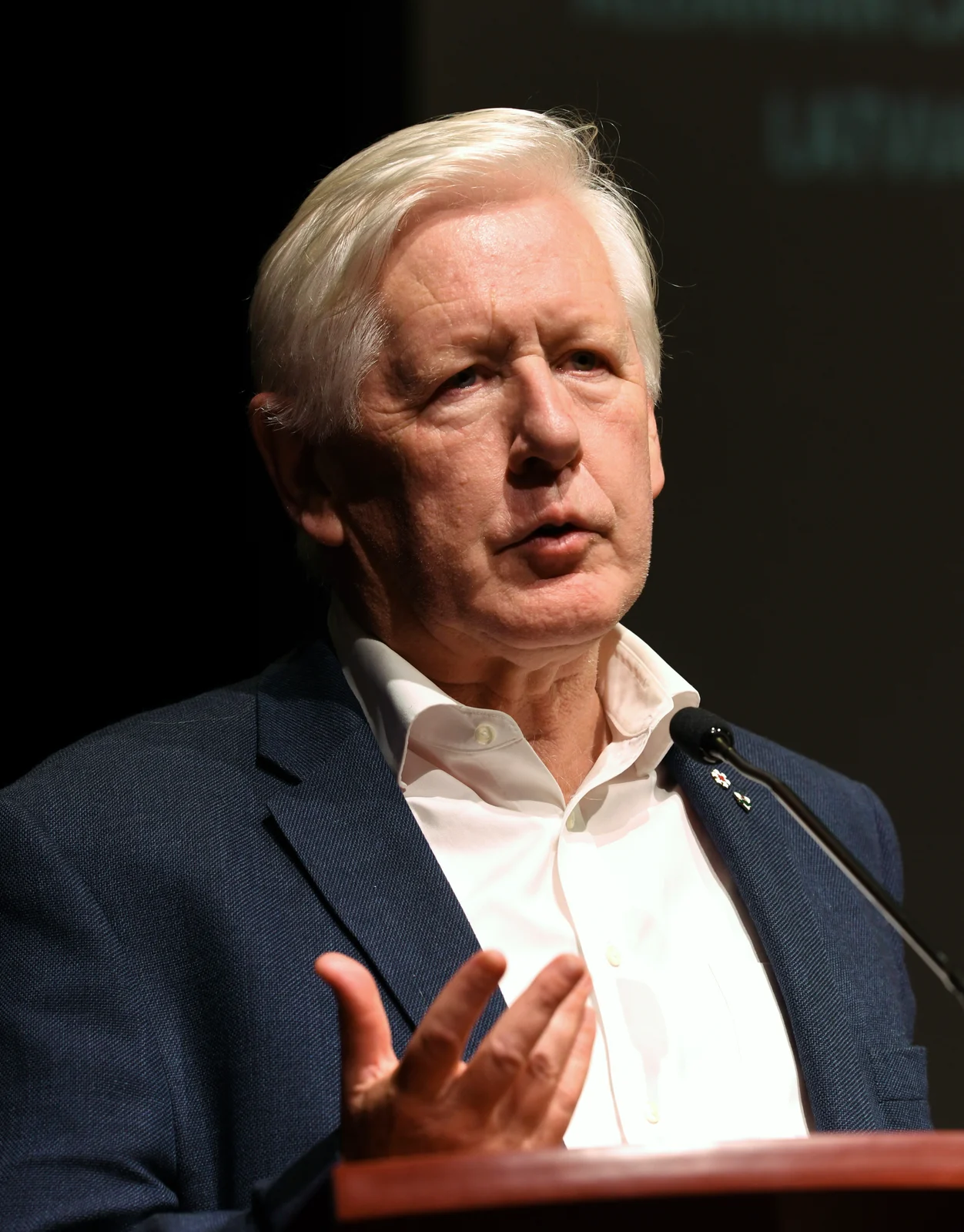
- 9. Wikimedia Commons / Mykola SwarnykBob Rae 2019: photographer’s own work under CC BY-SA 3.0
The creator’s own-work declaration, positive CC BY-SA 3.0 grant and single 4582 by 5856 supplied version were checked. This 2019 photograph predates Rae’s UN appointment.