
The short answer
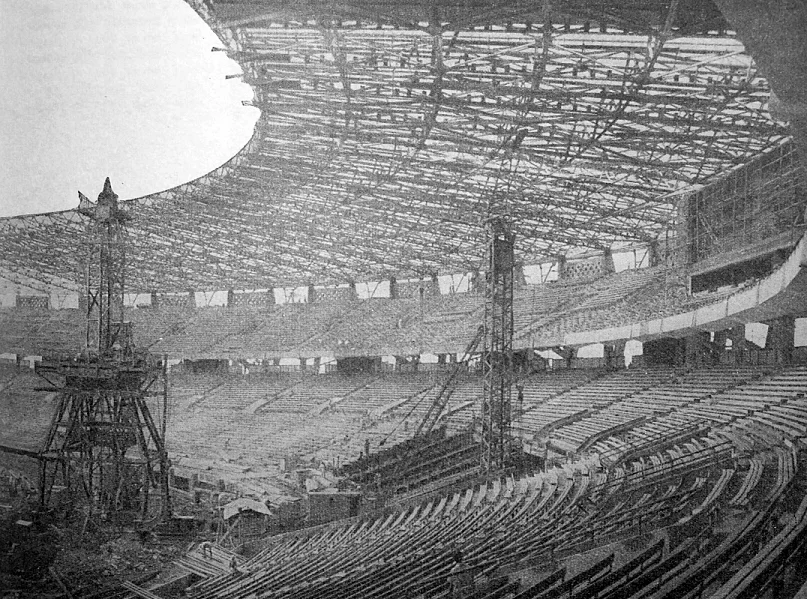
Jakarta’s preparations for the Fourth Asian Games produced more than a principal stadium. The Gelora Bung Karno complex assembled sports facilities and athlete accommodation in the same area. A government publication’s photograph from April 1962 shows the main stadium still under construction several months before it was used for the opening.
Read the complex by function
From a host decision to a set of facilities
The main stadium is one part of a wider building programme.
| Record | What it establishes | What to compare |
|---|---|---|
| Host decision | Indonesia receives the 1962 edition | Read the complex history for the project that followed. |
| Stadium under construction | The roof and stands are still being built in April 1962 | Use date and credit to separate this view from photographs of later renovations. |
| Games record | The main stadium hosts the opening | Check the dated event record for its actual use. |
Chronology
A timeline of the turning points
Indonesia is chosen to host
The Asian Games Federation selects Indonesia during the Tokyo games.
Construction remains visible
The archival photograph shows work underway on the principal building.
Jakarta holds the Games
The completed main stadium serves as the opening venue for the fourth edition.
How the host decision became an infrastructure project
The Gelora Bung Karno complex’s institutional history dates Indonesia’s selection to the 1958 Asian Games in Tokyo. It identifies President Sukarno with the project that followed. A track and spectator bowl could host a ceremony and scheduled events, but the Games also needed facilities for other sports and places for athletes to stay. That is why the historical record refers to a complex rather than using the stadium as a synonym for the whole project.
What the construction photograph shows
In the April 1962 photograph the stands, roof and temporary construction equipment are visible at once. This lets a reader locate a particular stage of construction without treating the building as already operational. The venue operator identifies the opening year and the purpose of the facility. Taken together, these records make the transition from planned national sports complex to use at the Games much clearer.
The day the sports complex was put to use
The Olympic Council of Asia dates the Games to 24 August through 4 September and records the main stadium as the opening venue, with Sukarno declaring the event open. This is a record of ceremony and competition rather than the date every building on the site was finished. A year later, the same principal venue served another sporting institution when Jakarta hosted GANEFO. That reuse makes the infrastructure a separate subject from either contest’s political history.
Continue the chronology
Related history guides
Why Jakarta Hosted the First GANEFO in 1963
Follow the same stadium into the first Games of the New Emerging Forces in 1963.
Read the timeline1998How Kuala Lumpur 1998 Added Commonwealth Games Team Sports
Compare another national sports complex built around an international multi-sport event.
Read the timelineConnected biographies
People connected to this history
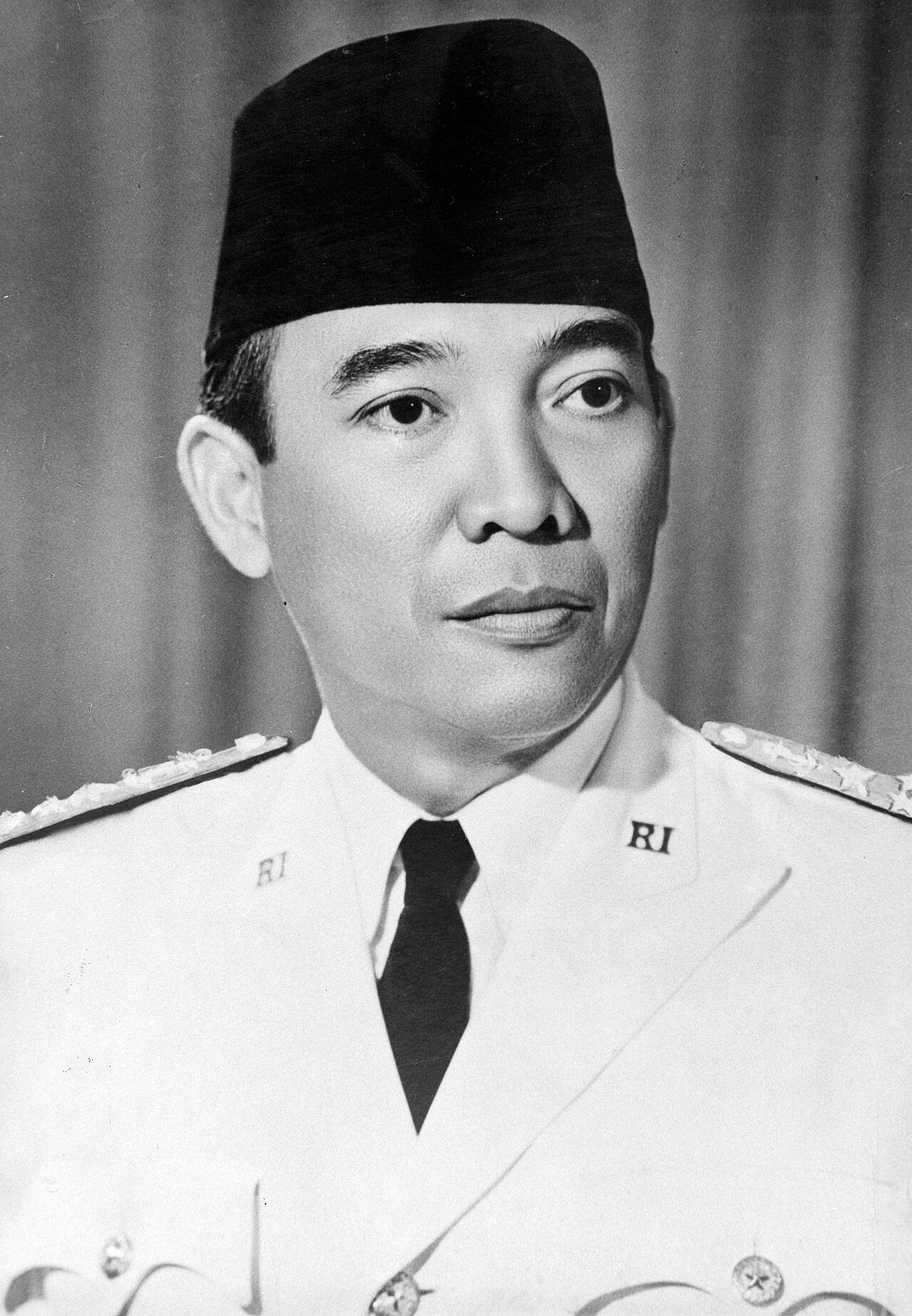
1901—1970
Sukarno
First President of IndonesiaAn independence leader, orator and Indonesia’s first president, who helped unite a vast archipelago around a new republic.Read biographyQuick answers
Common questions
- Why was Gelora Bung Karno built?
- The venue operator traces its establishment to preparations for Jakarta’s 1962 Asian Games.
- Which stadium hosted the opening of the 1962 Asian Games?
- The Olympic Council of Asia identifies the main Bung Karno Stadium in Jakarta.
Primary and institutional sources
How this history was checked
Dates, legal milestones and historical claims are checked against the official and institutional records below. This article was reviewed on 19 November 2026.