
The short answer
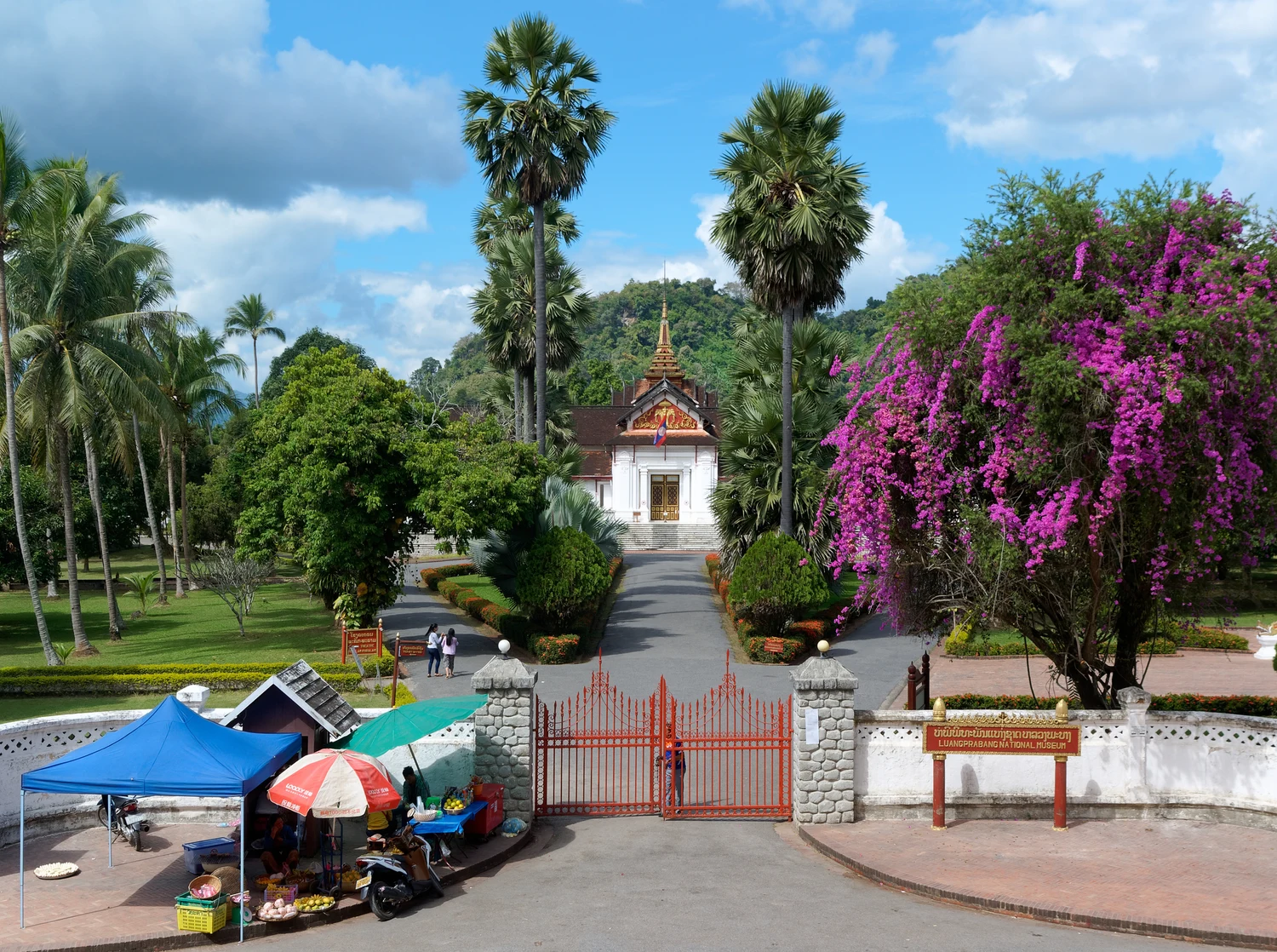
Haw Kham in Luang Prabang served as a residence and workplace of King Sisavang Vong. Built between 1904 and 1909 according to the museum, the palace was adapted during royal use and later became the National Museum of Luang Prabang. The building preserves evidence of both functions.
Compare the records
How to read a palace that later became a museum
Each visible feature belongs to a different part of the building’s life.
| Feature | Context | Interpretive question |
|---|---|---|
| Palace layout | A building for residence and official work | Which rooms were intended for different functions? |
| Central spire | A prominent element renovated in 1930 | Which visible features belong to later alterations? |
| Objects in the galleries | Material interpreted for public visitors | What can a label establish about royal use or provenance? |
| Urban site | A former court building within Luang Prabang | How did the town around it shape its position and role? |
Chronology
A timeline of the turning points
Construction begins
A new palace is built during the reign of King Sisavang Vong.
Construction is complete
The palace is used as a royal residence and workplace.
The spire is renovated
The museum describes the renovation as drawing on Luang Prabang’s Lao artistic traditions.
The palace is converted for public museum use
Visitors can examine a residence and its objects in place.
A royal workplace and residence
The museum dates the palace from the beginning of construction in 1904 to completion in 1909. Its interpretation associates the building with King Sisavang Vong and with a French architect. Describing it as both a residence and workplace helps a visitor read rooms according to their functions. A palace can contain evidence about official meetings alongside arrangements for the monarch's household, even where the visitor route groups them together.
The spire helps date a visible change
The central roof feature was renovated in 1930, according to the museum, in a style that draws on the artistic traditions of Luang Prabang. This gives readers a way to separate the date of the initial palace from the age of a conspicuous feature. The surrounding World Heritage town likewise contains different stages of building. Seeing the palace within that larger setting gives more context than treating the exterior as a product of one year.
What the palace can show as a museum
After the political transition of 1975 the palace was converted into a museum. Royal rooms and a public interpretation make it possible to examine the building as a source. A visitor can ask whether a displayed object comes from the original use of that room or has been presented there to illustrate some other part of court history. The distinction helps explain the difference between a surviving building and the later collection made available inside it.
Continue the chronology
Related history guides
How Luang Prabang’s Buddhist Photographs Were Preserved
Read how collections kept at Buddhist monasteries preserve another part of Luang Prabang’s history.
Read the timeline2006 onwardHow Luang Prabang Opened Its Ethnology Museum in 2007
Compare the palace museum with a center that collects and interprets evidence of diverse Lao cultures.
Read the timeline1980–2020How the Lao National Museum Moved to a New Home
See how the national museum in Vientiane moved out of a former official residence.
Read the timeline1995 and afterHow Luang Prabang’s Rivers and Temples Shaped Its Plan
Place Haw Kham in the broader World Heritage townscape.
Read the timelineConnected biographies
People connected to this history
1885—1959
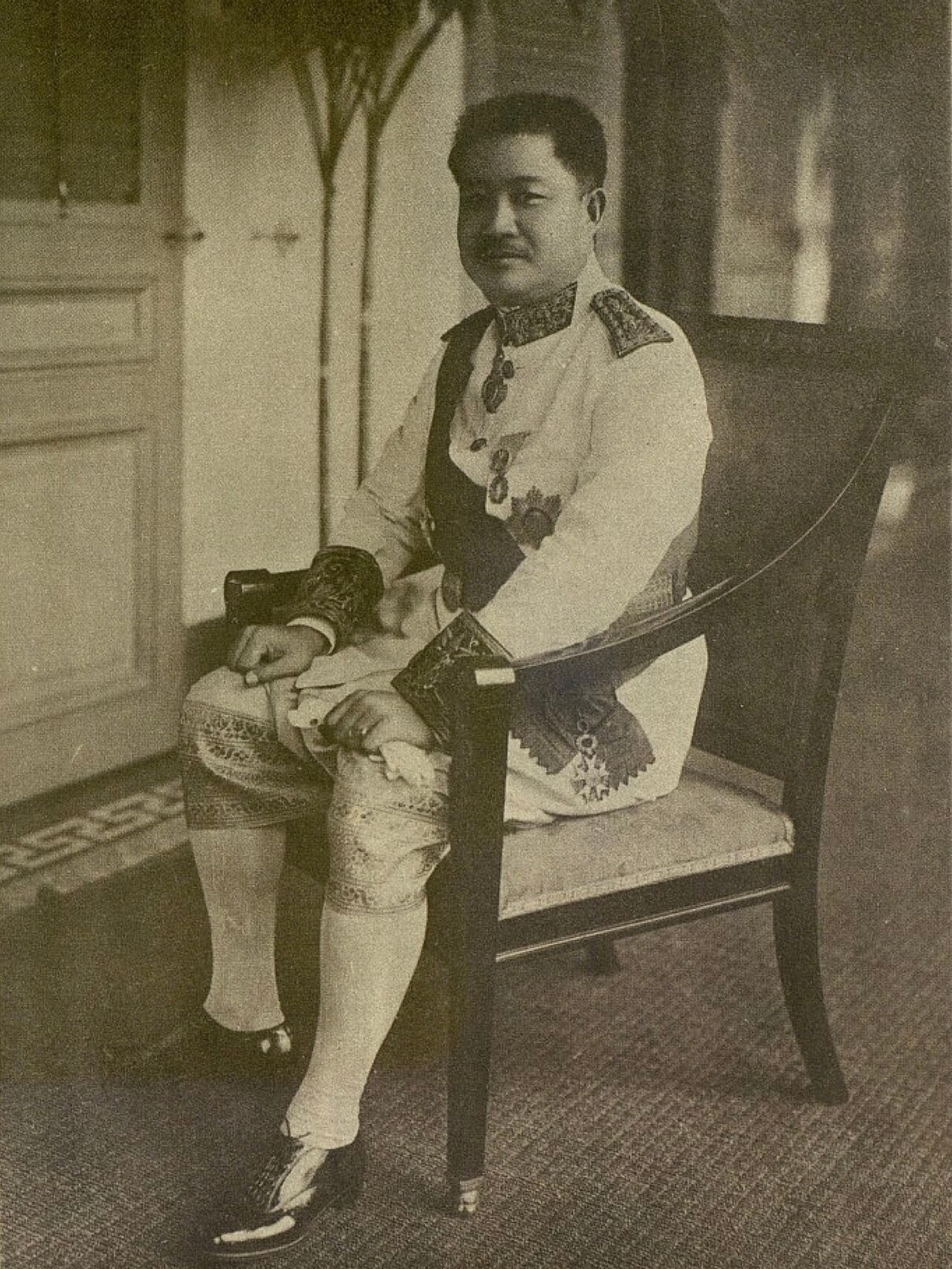
Sisavang Vong
King of Luang Prabang and first king of the unified Kingdom of LaosThe long-reigning monarch whose career linked the royal court of Luang Prabang to the internationally recognised Kingdom of Laos.Read biography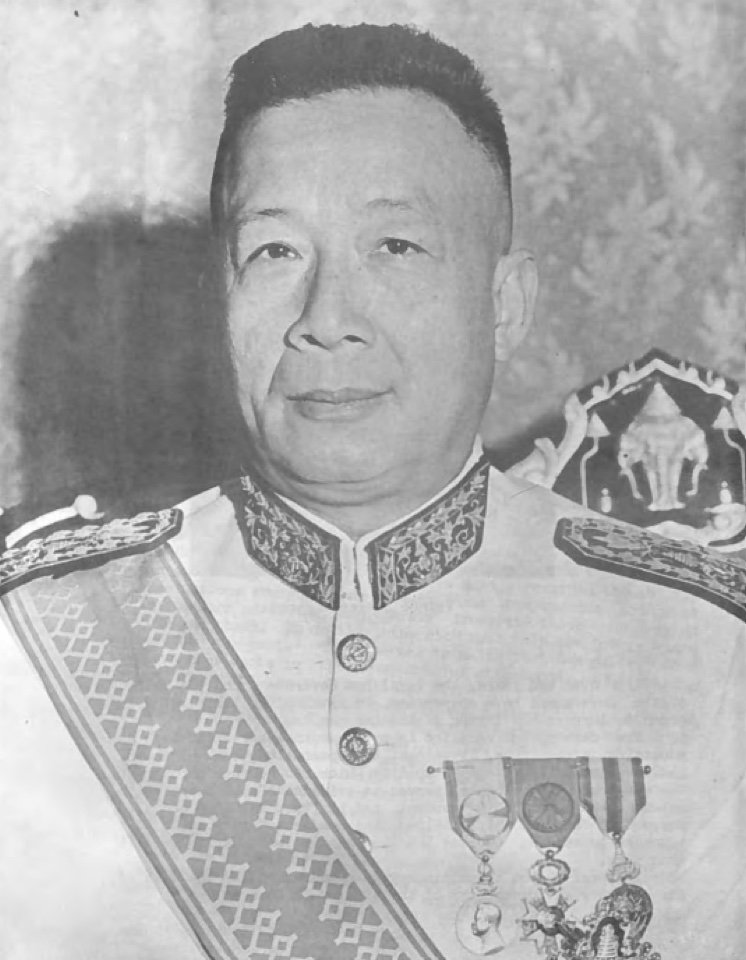
1907—death date uncertain
Sisavang Vatthana
Last king of LaosThe last king of Laos, whose reign crossed coalition politics, civil war, the Pathet Lao victory and the abolition of the monarchy.Read biographyQuick answers
Common questions
- When was Haw Kham built?
- The museum gives 1904 as the start of construction and 1909 as completion.
- When did the Royal Palace become a museum?
- National Museum Luang Prabang links its conversion to the political transition of 1975.
Primary and institutional sources
How this history was checked
Dates, legal milestones and historical claims are checked against the official and institutional records below. This article was reviewed on 19 November 2026.