In this biography
Quick facts
- Born
- 1866-10-12
- Died
- 1937-11-09
- Birthplace
- Lossiemouth, Scotland
- Country
- United Kingdom
- Nationality
- British
- Known for
- Becoming the first Labour prime minister and leading the National Government formed in 1931
- Full name
- James Ramsay MacDonald
- Born
- 12 October 1866, Lossiemouth, Scotland
- First premiership
- 22 January–4 November 1924
- Second premiership
- 5 June 1929–7 June 1935
- Political rupture
- Formed the National Government in August 1931
- Died
- 9 November 1937, at sea
Why this life matters
His career connects Labour’s early electoral advance with the limits of minority government, interwar diplomacy and a disputed response to mass unemployment.
Timeline
Key moments
Born in Lossiemouth
He grew up in a working-class household in north-east Scotland.
Organised the LRC
He became secretary of the Labour Representation Committee, bringing together socialist groups and trade unions.
Elected for Leicester
He entered the Commons as Labour expanded its parliamentary presence.
Opposed entry into war
He resigned the parliamentary leadership when his opposition to British participation lost support among colleagues.
First Labour prime minister
A minority administration depended on Liberal tolerance and lasted less than a year.
Headed a National Government
The financial emergency split his Cabinet and then his relationship with Labour.
Left the premiership and died
He resigned as prime minister in 1935 and died during a sea voyage on 9 November 1937.
A Scottish working-class childhood led into organised politics
James Ramsay MacDonald was born in Lossiemouth on 12 October 1866. School work, employment in Bristol and then insecure work in London preceded his parliamentary career. His experiences belonged to the social world Labour hoped to represent, but he did not advocate revolution or a politics built solely around class conflict. He pursued a route through organisation, elections and parliamentary legitimacy.
He joined the Independent Labour Party in 1893 and married Margaret Gladstone in 1896. Her financial security helped make political activity and travel possible. Their partnership was therefore part of the practical foundation of his career. Margaret’s death in 1911 was a major personal loss; their daughter Ishbel later served as his Downing Street hostess.
Party building brought influence before the premiership
In 1900 MacDonald became secretary of the Labour Representation Committee, the alliance of unions and socialist organisations from which the Labour Party developed. He entered Parliament for Leicester in 1906 and became parliamentary chairman in 1911. His work helped turn separate labour interests into a party capable of contesting national government, rather than merely influencing Liberal administrations.
The First World War interrupted that rise. MacDonald opposed Britain’s entry in 1914 and resigned the parliamentary leadership when colleagues would not follow him. Public denunciation and electoral defeat followed. His return as MP for Aberavon in 1922 showed that this wartime isolation had not permanently ended his authority within Labour.
The first Labour government had office without a majority
The 1923 election left no party with a Commons majority. Liberal support allowed MacDonald to become prime minister on 22 January 1924. He also served as foreign secretary, concentrating on diplomacy, including the London reparations settlement and recognition of the Soviet Union. Labour’s presence in office demonstrated that a party rooted in organised labour could operate the institutions of government.
It did not remove the parliamentary arithmetic. The administration fell within the year and Labour lost the subsequent election. The notorious Zinoviev letter, later accepted as a forgery, formed part of the hostile campaign atmosphere. Its appearance should not be treated as a complete explanation of a national electoral result or of the government’s earlier weaknesses.
The Depression confronted another minority administration
MacDonald returned in June 1929 as leader of the largest party, again without an overall majority. His government appointed Margaret Bondfield as the first woman Cabinet minister. He remained interested in international cooperation and presided over the London Naval Conference of 1930. Yet economic collapse increasingly displaced the diplomatic agenda.
Unemployment and pressure on public finances grew during the Depression. By August 1931 a run on sterling made the government’s financial position urgent. Ministers disagreed over spending reductions, especially unemployment benefit. The dispute concerned both economic judgement and who should bear the cost. It cannot be reduced to a simple clash between responsible saving and irresponsible spending.
The National Government secured office and broke party loyalty
After the Labour Cabinet broke down, MacDonald agreed to lead a National Government supported by Conservatives, Liberals and a small Labour contingent. He defended this as action required to prevent financial disaster. Arthur Henderson, now speaking against him, acknowledged a crisis but challenged the emphasis on cuts falling on unemployed people and the manner in which the new government had been formed.
Most Labour colleagues refused to join him, and he was expelled from the party he had helped build. The coalition’s overwhelming election victory later in 1931 gave the Conservatives its dominant parliamentary weight. MacDonald remained prime minister, but the name above the government no longer described a Labour administration. Britain also abandoned the gold standard that September despite the earlier defence of sterling.
His last years left a divided political reputation
MacDonald resigned the premiership in June 1935 as his health declined. He lost his seat at that year’s general election, returned through a by-election and remained in the Cabinet until 1937. He died at sea on 9 November 1937 while travelling towards a South American holiday. His final years were far removed from the promise many supporters had attached to Labour’s first government.
His record contains several distinct questions: how he built a party, what a minority administration could achieve and whether the choices of 1931 were necessary or justified. Contemporary defences and denunciations answer those questions differently. Reading both preserves the seriousness of the financial emergency without turning MacDonald’s own explanation into an uncontested verdict.
Quick answers
Frequently asked questions about Ramsay MacDonald
- Was Ramsay MacDonald the first Labour prime minister?
- Yes. He took office on 22 January 1924, leading a minority government that depended on Liberal support in the Commons.
- Why did Labour break with him in 1931?
- He agreed to head a National Government with Conservative and Liberal support after his Labour Cabinet split over the financial crisis and spending cuts. Most Labour colleagues rejected the arrangement, and he was expelled.
- Was the 1931 National Government simply another Labour government?
- No. It was a cross-party administration with a small MacDonald-aligned Labour group. Conservatives supplied its dominant parliamentary strength after the 1931 election.
Keep exploring
Lives connected to this story
- Clement Attlee
Compare MacDonald’s minority administrations with the Labour government that won a large Commons majority in 1945.
- Elizabeth II
Compare the monarch’s formal role in government formation with the prime minister’s political responsibility.
Sources and further reading
Explore the evidence
These references support the biography and offer further reading. Official records, first-person accounts and independent reporting provide different perspectives; image records document attribution and licensing.
- 1. UK Prime Minister’s OfficeJames Ramsay MacDonald: life and premiership
The official summary supplies basic chronology; its compressed account of 1931 is checked against the museum biography and parliamentary debate.
- 2. Museum of the Prime MinisterRamsay MacDonald: political life and final years
- 3. UK Parliament, Historic HansardFinancial Situation: MacDonald, Henderson and other opening contributions, 8 September 1931
The opening MacDonald–Henderson exchange is read as a dispute between participants. Their accounts and counterfactual warnings are attributed, not treated as impartial economic findings.
- 4. House of Commons LibraryHung parliaments: section 3.2, the 1931 National Government
- 5. Bank of EnglandHistory: suspension of the gold standard in September 1931
- 6. The National ArchivesMacDonald resigns: draft letter, 25 August 1931, PRO 30/69/38310
The returned National Archives transcript extract was read; the full page fetch returned 403, and the manuscript image and audio were not reviewed.
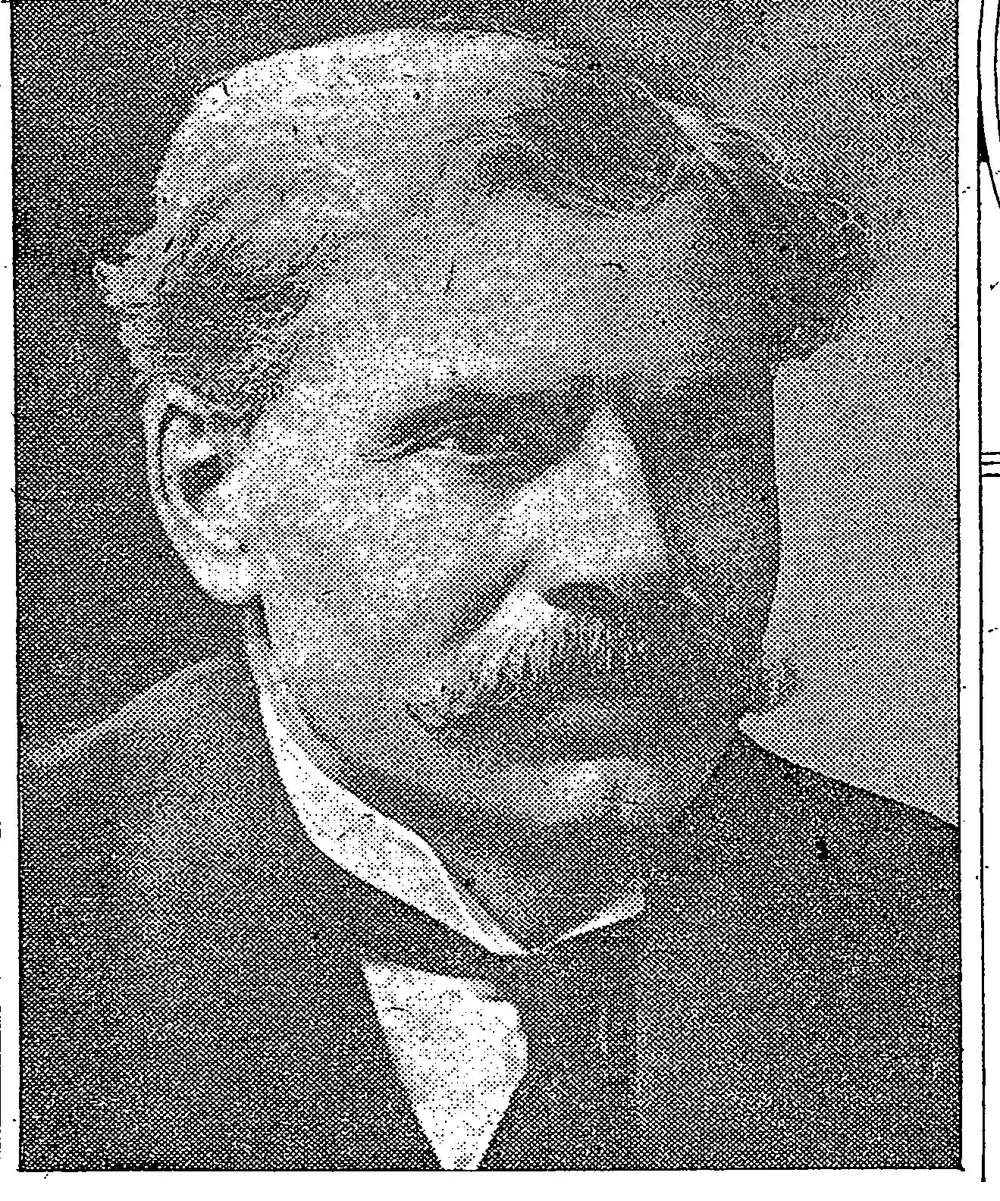
- 7. Wikimedia CommonsKadel & Herbert: MacDonald newspaper photograph, file history and public-domain basis
- 8. Creative CommonsPublic Domain Mark 1.0