
The short answer
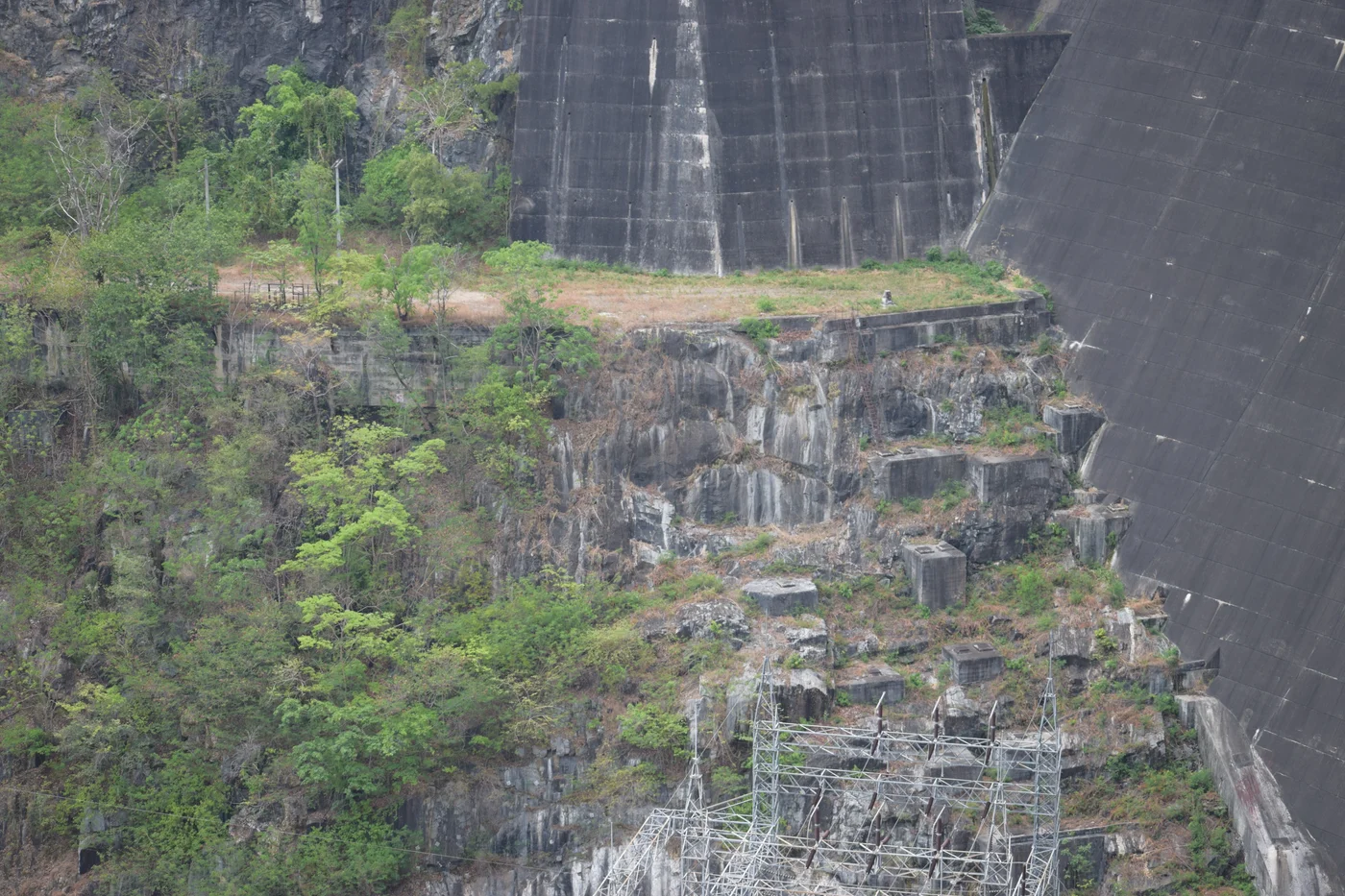
Thailand surveyed the Yanhee site on the Ping River in the 1950s to develop a dam that could generate electricity and regulate water. King Bhumibol Adulyadej named the project in 1957. He and Queen Sirikit attended the 17 May 1964 inauguration, when the first generating unit was started.
Three uses for one reservoir
Power, irrigation and flood storage
Each use values a different outcome from storing or releasing water.
| Use | Role of water | How to assess it |
|---|---|---|
| Electricity | Moving water drives turbines when the station generates. | Look for unit commissioning and recorded electricity production. |
| Irrigation | Releases can supply users downstream during dry periods. | Look for release and irrigation demand data over a season. |
| Flood management | Available storage can hold part of an incoming flow. | Look at reservoir conditions, rainfall and flows across the basin. |
Chronology
A timeline of the turning points
Yanhee survey
Engineers study a site in the Ping River valley in what is now Tak Province.
Thailand sets up the authority
The Yanhee Electricity Authority takes responsibility for the project. The World Bank signs a loan agreement for the development.
Bhumibol Dam inaugurated
The ceremony includes the start of the first generator.
The station expands in stages
A World Bank record covers financing to add Units 3 and 4 and transmission facilities.
From a proposed site to an agency
The Electricity Generating Authority of Thailand dates site surveys to 1952 and the main construction period to 1957–1964. The valley site offered a place to impound water on the Ping, a tributary in the Chao Phraya system. That connection made the project significant beyond its power station in Tak.
The 1957 loan records identify the Yanhee Electricity Authority as the responsible agency and the Thai government as guarantor. They show that a programme was needed to pay for and operate both the power works and the means of bringing electricity to users.
What the opening ceremony established
The national utility records the king bestowing the dam’s name in 1957. King Bhumibol and Queen Sirikit took part in the 1964 inauguration. The start of Unit 1 gave that ceremony a generating milestone, but extensions later increased the station’s installed capacity.
A separate World Bank review of Units 3 and 4 ties their financing to additional transmission works. Comparing it with the opening record prevents later capacity from being assigned to the equipment first put into use.
What a multipurpose reservoir can do
Stored water can feed turbines, supply an irrigation release or leave room to absorb some incoming floodwater. Those uses can support each other, but they also compete for storage at different times of year.
A list of the dam’s purposes explains why it was built. Claims about a particular flood need evidence of rainfall, reservoir levels and releases, along with the rest of the basin. The opening record and loan papers address the project design rather than any one flood outcome.
Continue the chronology
Related history guides
How Three Authorities Formed Thailand’s EGAT in 1969
Follow the Yanhee Electricity Authority into the 1969 national generation merger.
Read the timeline2011How Rivers Shaped Ayutthaya and Its Flood Risk
Compare an upstream reservoir’s functions with flood exposure farther down the Chao Phraya system.
Read the timeline1979–1994How Hòa Bình Put Eight Generators on Vietnam’s Grid
Compare the staged start of generation at another multipurpose dam.
Read the timelineConnected biographies
People connected to this history

1927—2016
Bhumibol Adulyadej
King of Thailand, 1946–2016Thailand’s longest-reigning monarch, whose seven decades on the throne spanned rapid development, repeated political crises and profound social change.Read biographyQuick answers
Common questions
- When did Bhumibol Dam open?
- It was inaugurated on 17 May 1964. The ceremony included the start of generating Unit 1.
- Why is the Bhumibol Dam project sometimes called Yanhee?
- Yanhee was the name used for the surveyed site and the authority. King Bhumibol gave the dam his name in 1957.
Primary and institutional sources
How this history was checked
Dates, legal milestones and historical claims are checked against the official and institutional records below. This article was reviewed on 19 November 2026.