In this biography
Quick facts
- Born
- 21 October 1874
- Died
- 12 August 1961
- Birthplace
- Jimei, Fujian, China
- Country
- Singapore
- Nationality
- Not independently established
- Known for
- Pineapple and rubber enterprises, Chinese High School and Xiamen University
- Born
- 21 October 1874, Jimei, Fujian
- Singapore arrival
- 1890
- Business collapse
- Tan Kah Kee Ltd liquidated in February 1934
- The Chinese High School
- Founded in 1919
- Xiamen University
- Founded in 1921
- Died
- 12 August 1961, Beijing; aged 86
Why this life matters
His life reveals how commerce, education and politics overlapped across colonial Singapore and China, including the tensions created when philanthropic commitments outlasted business prosperity.
Timeline
Key moments
Jimei birth
Born on 21 October in Fujian.
Singapore migration
Joined his father’s rice and sundries business.
Business rebuilding
After the family firm’s failure, developed his own enterprises.
Chinese High School
Established the school with support from the wider community.
Xiamen University
Founded the university in China.
Nanyang Siang Pau
Founded the newspaper, linking public communication with commercial promotion.
Liquidation
Tan Kah Kee Ltd was liquidated in February.
Wartime relief
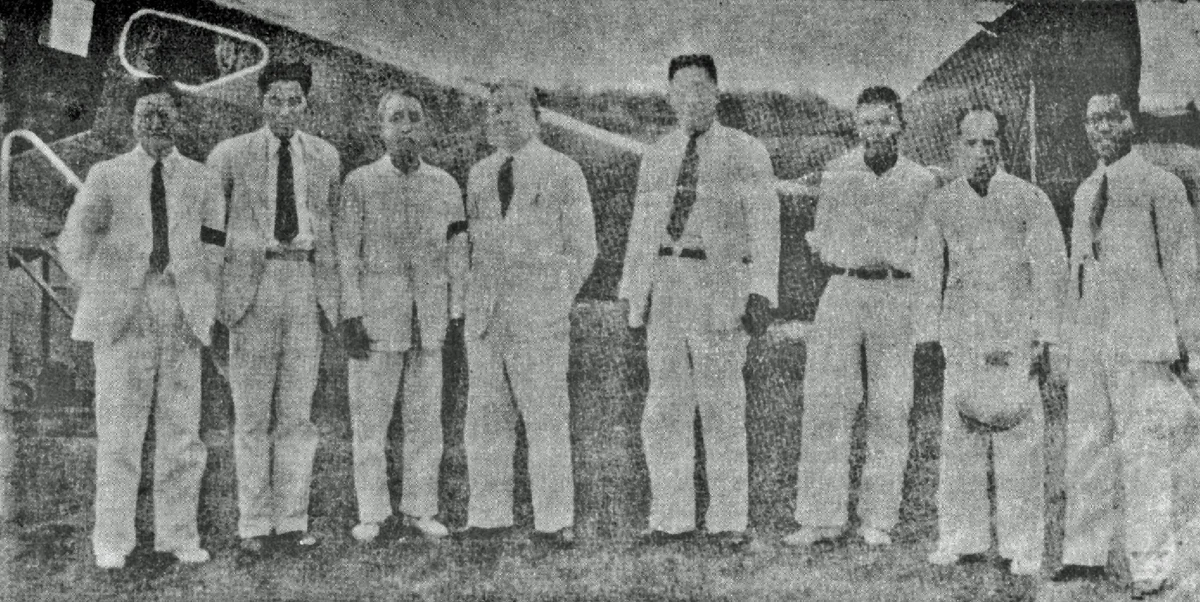
Participated in the Malayan Comfort Mission during anti-Japanese relief efforts.
Postwar politics
Launched Nan Chiao Jit Poh in 1946 and settled in China in 1950.
Death in Beijing
Died on 12 August, before his 87th birthday.
Jimei schooling and arrival in Singapore
Tan Kah Kee was born in Jimei, Fujian, on 21 October 1874. He received traditional village schooling rather than a verified university qualification. In 1890 he moved to Singapore to work in his father’s rice and sundries business, beginning the commercial experience that preceded his better-known educational philanthropy.
The family firm failed in 1903. Tan subsequently developed his own enterprises rather than simply inheriting a permanently successful concern. His biography therefore begins with migration, family commerce and rebuilding after failure. Singapore became a major business base, while his continuing connections with Jimei and China shaped where and how he later supported education.
Commercial expansion, manufacturing and liquidation
Tan’s ventures extended through pineapple canning, rice milling, plantations, rubber processing and manufacturing, shipping and related businesses. Rubber was not only an export crop: manufactured goods formed part of the group’s activities. Diversification connected land, factories, transport and markets, creating opportunities but also obligations across a large organisation.
The Depression damaged that organisation. Tan Kah Kee Ltd was liquidated in February 1934, and NLB records disagreements between Tan and the board concerning the rubber business. He continued educational commitments with reduced personal resources and support from others. Determination to finance schools should not be mistaken for evidence that every business decision was financially successful.
Schools, a university and newspapers
Tan’s educational projects crossed Singapore and China. He founded The Chinese High School in 1919 and Xiamen University in 1921, while supporting schools in Jimei and institutions including Anglo-Chinese School and Raffles College. Founding and financing a university did not mean that he earned a degree there, nor did it remove the contributions of other supporters and educators.
He founded Nanyang Siang Pau in 1923. NLB’s newspaper history notes that it also advertised his rubber products. Public communication, education and commercial promotion could reinforce one another rather than occupy separate worlds. His invitation to Lim Boon Keng to lead Xiamen University likewise connected a business benefactor with a physician and educational reformer.
Wartime relief and postwar political commitments
Tan supported Sun Yat-sen’s revolutionary movement and later organised anti-Japanese relief and boycotts. These activities placed his public work within overseas Chinese nationalism, colonial rule and war. They should not be reduced to politically neutral charity or treated as the actions of someone working only within Singapore.
In 1946 he launched Nan Chiao Jit Poh, a newspaper critical of the Kuomintang. He settled in China in 1950 and died in Beijing on 12 August 1961. The exact dates establish that he was 86, not 87, at death. His legacy includes enduring schools and a university, but also business collapse and political choices that belong in a balanced account of the institutions he helped build.
Quick answers
Frequently asked questions about Tan Kah Kee
- How did Tan Kah Kee make his money?
- His enterprises included pineapple canning, rubber plantations and manufacturing, rice milling, shipping and related businesses.
- Did all of Tan Kah Kee’s businesses succeed?
- No. His group was damaged by the Depression and Tan Kah Kee Ltd was liquidated in February 1934.
- Did Tan Kah Kee study at Xiamen University?
- The checked sources establish that he founded and financed it, not that he earned a university degree there.
- Was his public work confined to Singapore?
- No. His commercial, educational and political activities connected Singapore, Southeast Asia and China.
Keep exploring
Lives connected to this story
- Aw Boon Haw
Read about Aw Boon Haw, whose Sin Chew Jit Poh entered the newspaper market alongside Nanyang Siang Pau.
- Loke Yew
Compare an earlier Malayan entrepreneur’s business interests and distinct educational gifts and loans.
- Lim Boon Keng
Read about the physician and entrepreneur who led Tan’s Xiamen University from 1921 to 1937.
Sources and further reading
Explore the evidence
These references support the biography and offer further reading. Official records, first-person accounts and independent reporting provide different perspectives; image records document attribution and licensing.
- 1. Tan Kah Kee FoundationDated biography, business liquidation and later movements
Exact dates, 21 October 1874–12 August 1961, establish age 86. February 1934 is the liquidation date; philanthropy does not establish sound performance of every enterprise.
- 2. NLB Infopedia · archived 2010 copyCommercial development, education and political activity
This is an explicitly archived NLB biography, not a freshly updated page. Prefer the school’s own 1919 founding record over inconsistent retrospective school dates.
- 3. University of California, BerkeleyHistorical account of enterprise and educational support
- 4. Hwa Chong InstitutionThe Chinese High School’s 1919 founding
- 5. Xiamen UniversityUniversity’s founder relationship
Use narrowly for the university’s founding relationship. Chronology and death-age errors in this and the Berkeley account are not adopted.
- 6. NLB BiblioAsia · newspaper historyNanyang Siang Pau, commercial promotion and postwar press
- 7. Wikimedia Commons · Ong Seok Kim collectionHistoric group photograph and confirmed VRT licence
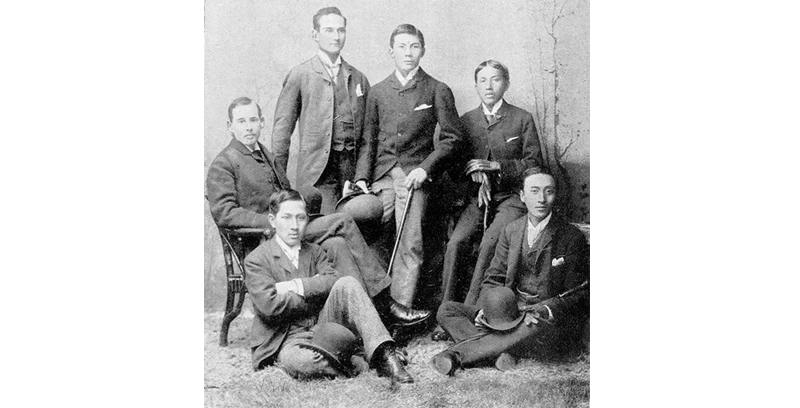
Commons confirms CC BY-SA 3.0 through VRT ticket 2015021610021166. Credit Ongseokkim01 as reproduction provider, not the unidentified original 1940 photographer. The 2015 upload/scan date is not the event date. Retain the full group and identify Tan fourth from left in the front row.