In this biography
Quick facts
- Born
- 12 November 1879
- Died
- 20 March 1936
- Birthplace
- Beach Road, Kampong Glam, Singapore
- Country
- Singapore
- Nationality
- Not independently established
- Known for
- Pineapple and rubber enterprises, community service and support for Sun Yat Sen
- Born
- 12 November 1879, Beach Road, Kampong Glam, Singapore
- Schooling
- Chinese schooling, St Joseph’s Institution and Anglo-Chinese School
- Own firm
- Lim Nee Soon & Co., chop Thong Bee, established in 1911
- Nickname
- Pineapple King
- Chinese High School
- Treasurer when the school opened in 1919
- Died
- 20 March 1936, Shanghai; burial associated with Nanjing
Why this life matters
His life connects plantation commerce, Chinese education and transnational politics, while Yishun’s name preserves one local trace of a much wider career.
Timeline
Key moments
Singapore birth
Born on 12 November at Beach Road in Kampong Glam.
Revolutionary networks
Supported publications and became a founding member of the Singapore Tongmenghui branch.
Own trading firm
Established Lim Nee Soon & Co., using the chop Thong Bee.
Planting enterprises
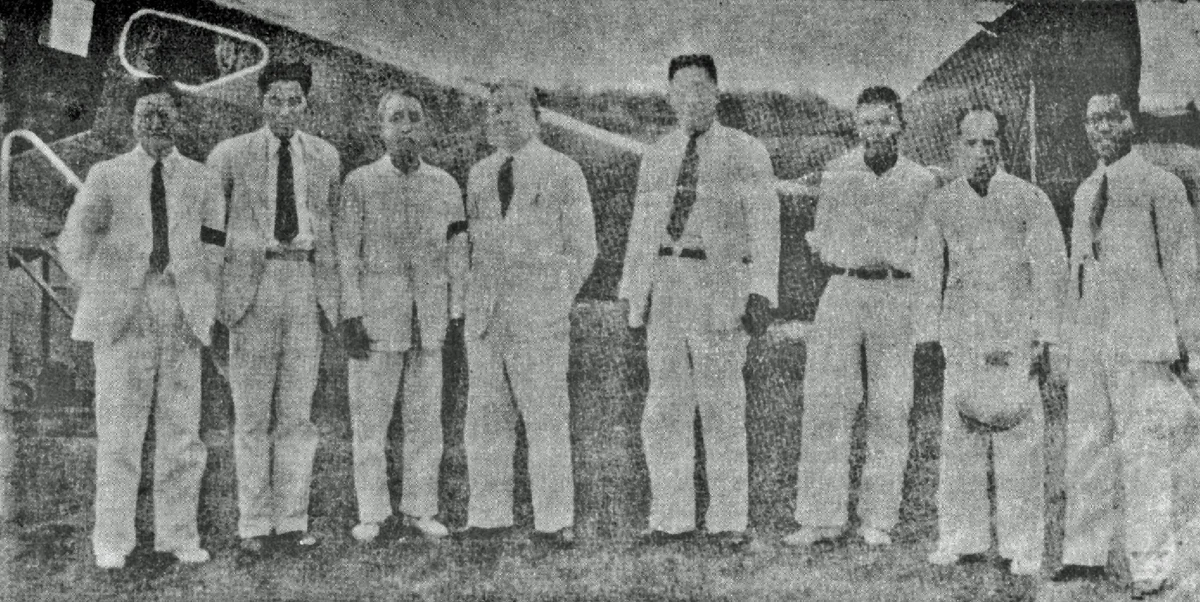
A contemporary NLB photograph records him with employees of a pineapple and rubber factory.
Chinese High School
Served as treasurer when the school opened.
Chamber leadership
Held the chamber presidency in 1921–1922 and 1925–1926.
Death in Shanghai
Died on 20 March while returning from a health trip.
Singapore birth and schooling across traditions
Lim Nee Soon was born on 12 November 1879 at Beach Road in Kampong Glam, Singapore. His father had migrated from Chaozhou, but Lim himself was Singapore-born. Song Ong Siang’s contemporary 1923 account records his birth and education, making the distinction between the two generations explicit.
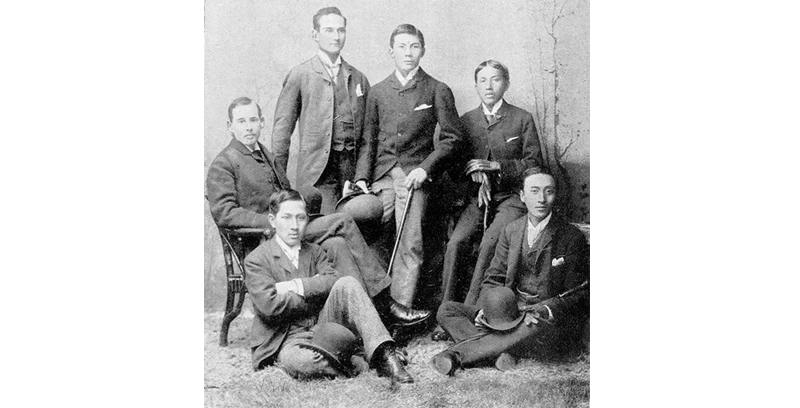
After Chinese schooling, he attended St Joseph’s Institution and Anglo-Chinese School. This education brought different linguistic and institutional settings into his early life; it should not be converted into an unverified university qualification. His later career would operate across local commerce, Chinese community institutions and political connections extending beyond the Straits Settlements.
Rubber management and the Pineapple King
Lim worked for Tan Tye & Co. and managed rubber estates before establishing Lim Nee Soon & Co., chop Thong Bee, in 1911. Managing Sembawang Rubber Estates and founding his own firm were separate stages, not competing dates for the same event. His planting interests combined rubber with pineapples grown between rubber trees.
Extensive pineapple cultivation and commercial interests earned him the nickname Pineapple King. An April 1916 photograph preserved by NLB shows him with factory employees, a reminder that these enterprises depended on organised production and labour, not just the reputation of their owner. His wider business interests also extended into banking and insurance.
Education, civic service and commercial reversals
Lim supported Chinese High School and served as treasurer when it opened in 1919. He also held civic appointments and led the Chinese Chamber of Commerce in 1921–1922 and 1925–1926. These activities placed business leadership alongside fundraising, educational administration and representation of community interests.
His fortunes were not insulated from falling rubber and pineapple prices. His rubber interests later passed into arrangements associated with Lee Rubber. NLB accounts describe the chronology differently, including a 1928 takeover and later Depression-era debt settlement and factory leasing. These should not be flattened into one precisely dated sale. They show how a prominent merchant’s enterprise could be reshaped by changing markets and financial obligations.
Revolutionary networks and a place-name legacy
The Sun Yat Sen Nanyang Memorial Hall documents Lim’s support for revolutionary publications from 1903, his involvement with newspapers and his founding membership of the Singapore Tongmenghui branch. His contribution included organisation and communications for Sun Yat Sen, not simply a personal friendship detached from wider networks.
Lim died in Shanghai on 20 March 1936 while returning from a health trip. Nanjing is associated with his burial, not his death location. In Singapore, Yishun derives its name from Nee Soon. That place-name preserves a local legacy, while the full biography extends through planting, schools and transnational politics. His death in 1936 also rules out attributing later personal actions or donations to him.
Quick answers
Frequently asked questions about Lim Nee Soon
- Why was Lim Nee Soon called the Pineapple King?
- The nickname reflected his substantial pineapple planting and commercial interests, alongside his rubber enterprises.
- Was Lim Nee Soon born in China?
- No. He was born in Singapore in 1879. His father migrated from Chaozhou.
- How did Lim Nee Soon support Sun Yat Sen?
- He supported revolutionary publications, organisation, fundraising and communications, including the Singapore Tongmenghui network.
- Did Lim Nee Soon die in Nanjing?
- No. He died in Shanghai on 20 March 1936. Nanjing is associated with his burial.
Keep exploring
Lives connected to this story
- Lim Boon Keng
Read a contemporary physician and entrepreneur’s banking, publishing and educational work.
- Ho Kwon Ping
Compare a much later Singapore-linked entrepreneur’s different business and institution-building career.
- Loke Yew
Read another colonial-era merchant’s mining, trading and educational philanthropy.
Sources and further reading
Explore the evidence
These references support the biography and offer further reading. Official records, first-person accounts and independent reporting provide different perspectives; image records document attribution and licensing.
- 1. NLB InfopediaReferenced biography, schooling, enterprises and death
- 2. Song Ong Siang · original 1923 volumeContemporary biography on printed page 516
Original 1923 publication corroborates birth and schooling. Singapore archive placement is not a retrospective grant of modern Singapore citizenship.
- 3. Sun Yat Sen Nanyang Memorial Hall · Gallery 1Revolutionary publishing and communications work
- 4. NLB BiblioAsia · street-name recordsChinese High School and community service
- 5. NLB CuriocityYishun place-name history
- 6. NLB · April 1916 photographPineapple and rubber factory with employees
- 7. NLB BiblioAsia · Lee Kong ChianDebt settlement and factory-lease context
Avoid merging the 1928 takeover account with later debt settlement and lease descriptions into a single exact transaction.
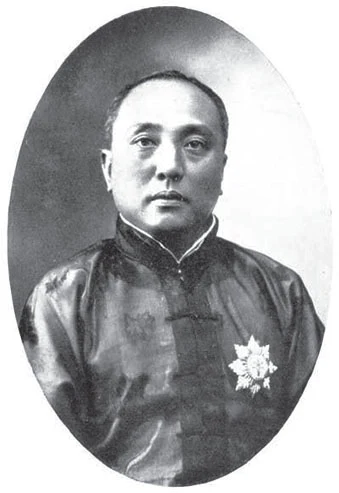
- 8. Wikimedia CommonsFaithful reproduction of the historic oval portrait
The Commons uploader labels a 2020 reprint CC BY-SA 4.0 without establishing ownership. That claim is not relied upon. The identical original 1923 portrait is credited to Lee Brothers, not book author Song Ong Siang.
- 9. Song Ong Siang · original 1923 plateLee Brothers credit and portrait facing page 516
Original University of Michigan scan: unnumbered plate facing 516, printed credit Lee Brothers, Singapore. Only the historical photograph is reused, not modern annotations or new layout.
- 10. Singapore Statutes Online · Copyright Act, section 519Pre-1987 photograph duration basis
Section 519 governs photographs taken before 10 April 1987, with a 70-year creation term subject to earlier expiry. The verified 1923 publication establishes that this photograph already existed then; US pre-1931 publication expiry also applies. This is public-domain use, not a newly granted CC licence.