In this biography
Quick facts
- Born
- 1978
- Birthplace
- Sungai Ular, Kuantan, Malaysia
- Country
- Malaysia
- Nationality
- Malaysian
- Known for
- Love Conquers All, Year Without a Summer, Barbarian Invasion and filmmaker-development initiatives
- Debut feature
- Love Conquers All, 2006
- Second feature
- Year Without a Summer, 2010
- Third feature
- Barbarian Invasion, 2021
- Shanghai recognition
- 2021 Jury Grand Prix, not Best Feature Film
- Development initiatives
- Next New Wave, 2015; SeaShorts, 2017
Why this life matters
Her work spans directing, producing, editing and performing, while mentoring and short-film initiatives extend her influence beyond her own features.
Timeline
Key moments
Born in Sungai Ular
Cannes locates the village in Kuantan, Malaysia.
Work beyond directing
Her early career included producing The Gravel Road and editing Sanctuary.
Love Conquers All
Her debut won New Currents and FIPRESCI recognition at Busan.
Rotterdam Tiger Award
The 2006 film received a separate award at the following year’s IFFR.
Year Without a Summer
Premiered in Busan’s A Window on Asian Cinema programme.
Next New Wave
Initiated a learning platform for emerging Malaysian filmmakers.
Save Our Film
Appeared in the Asian Film Archive’s filmmaker-preservation campaign.
SeaShorts
Started a festival showcasing Southeast Asian short films.
Barbarian Invasion
Her third feature won Shanghai’s Jury Grand Prix; she also played its lead character.
Sungai Ular and a collaborative route into filmmaking
Tan Chui Mui was born in 1978 in Sungai Ular, a fishing village in Kuantan, Malaysia. Her Cannes residency biography describes growing up in a family with Taiwanese ties within a Malay community and an early interest in writing. That setting preceded the international festival career for which she became known.
Her filmmaking developed through collaboration as well as directing. After meeting Amir Muhammad and James Lee, she worked in producing and editing, including The Gravel Road and Sanctuary. These credits matter because independent films depend on a network of people taking different roles across one another’s projects. Her first feature did not emerge from an isolated career consisting only of directing her own scripts.
In 2004, Tan co-founded Da Huang Pictures with Amir Muhammad, James Lee and Liew Seng Tat. Cannes’ biography of Liew documents the four founders, adding a formal production-company role to the collaborations visible in her film credits.
Love Conquers All and its separate festival milestones
Love Conquers All, her debut feature from 2006, follows Ah Peng from Penang to Kuala Lumpur, where she works at her aunt’s food stall and becomes involved with a persistent man named John. The Rotterdam programme describes an ordinary young woman gradually drawn into a relationship whose promise does not match its dangers. The film approaches vulnerability through everyday encounters rather than a conventional romantic triumph.
The awards belong to two different festival years. In 2006 it received New Currents and FIPRESCI recognition at Busan, then won a Tiger Award at Rotterdam in 2007. The later festival date does not turn it into a film first made in 2007. Its credits also identify Amir Muhammad as producer and James Lee as cinematographer, showing the collaborative structure behind the debut.
Memory at the coast and a return through martial arts
Year Without a Summer followed in 2010. Busan’s archive records its world premiere and a story that links the reunion of childhood friends with an earlier past. Azam returns to meet Ali and his wife Minah before disappearing into the sea. Shifts between memory, poverty and a fisherman’s legend make the coastal setting more than a scenic backdrop.
Barbarian Invasion arrived in 2021 with Tan directing, writing and playing Moon, an actress and mother preparing for a comeback in a martial-arts film. Training, work and control over her own life become intertwined. The Osaka festival’s account makes clear that Moon is a role within a self-reflexive film, not a documentary identity to be transferred directly to the director.
The film won the Jury Grand Prix at the 2021 Shanghai International Film Festival. The organiser’s list names Manchurian Tiger as Best Feature Film, so those honours should remain distinct. Tan’s performance and the film’s interest in motherhood also marked a different creative approach from her earlier features.
Creating opportunities for the next filmmakers
Her public contribution includes places for other filmmakers to learn and screen work. In 2015 she initiated Next New Wave, bringing emerging Malaysian talent into contact with experienced directors from the region. SeaShorts followed in 2017 as a festival for Southeast Asian short films. These were specific development and exhibition initiatives alongside her own productions.
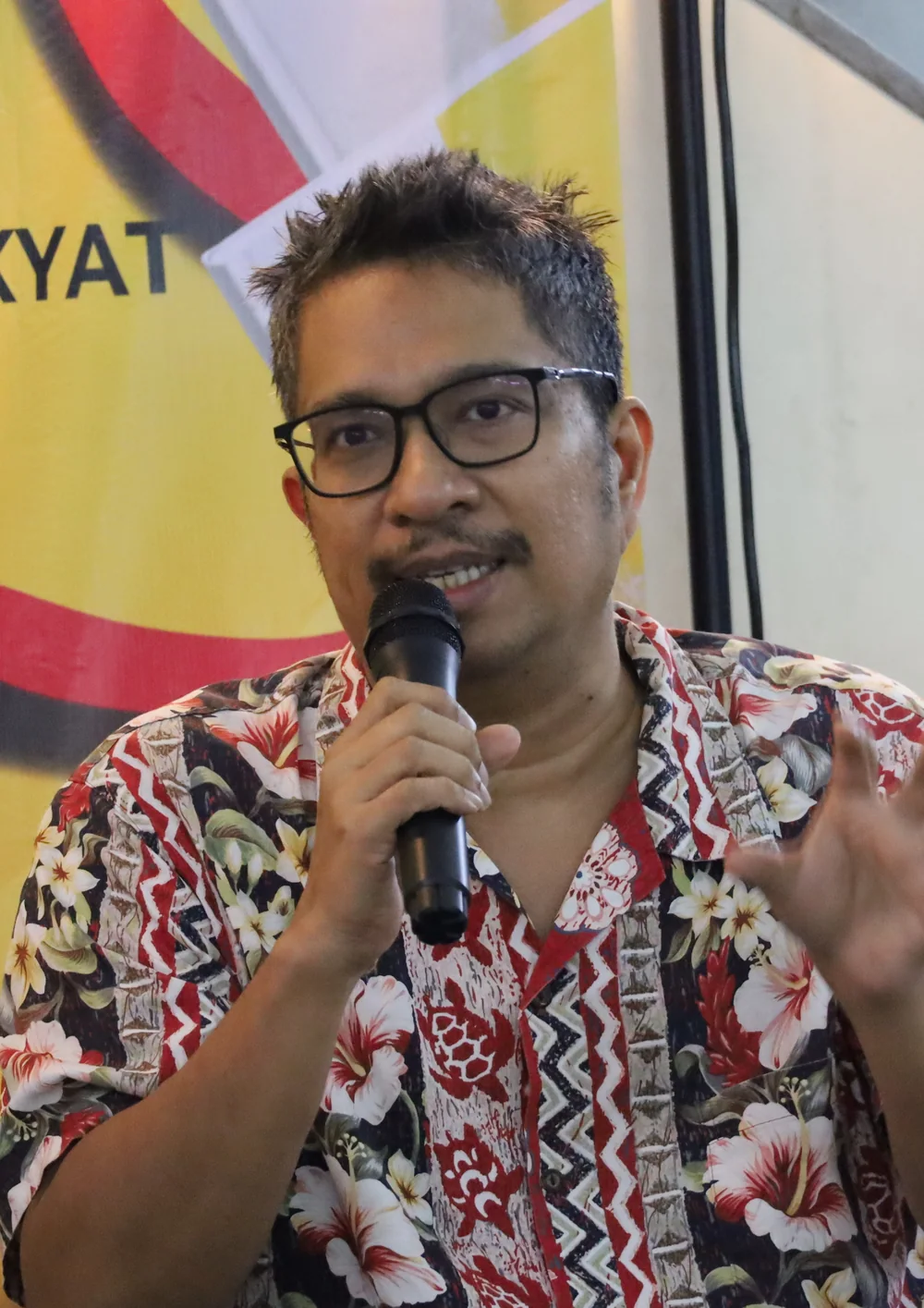
Her appearance in the Asian Film Archive’s 2016 Save Our Film campaign also connected contemporary filmmaking with preservation. Supporting new work and keeping existing films accessible address different parts of the same film culture. Together with her producing and editing credits, this helps explain why her significance extends beyond a list of prizes attached to three features.
Quick answers
Frequently asked questions about Tan Chui Mui
- Which films is Tan Chui Mui known for?
- Love Conquers All (2006), Year Without a Summer (2010) and Barbarian Invasion (2021), alongside short films and work as a producer and editor.
- When did Love Conquers All win its awards?
- It received New Currents and FIPRESCI recognition at Busan in 2006 and a Tiger Award at Rotterdam in 2007. The film’s production year and the later award year are different.
- Who does Tan Chui Mui play in Barbarian Invasion?
- Moon, an actress and mother training for a comeback in a martial-arts film. The fictional role should not be treated as a factual account of every aspect of Tan’s life.
- What did Barbarian Invasion win in Shanghai?
- The Jury Grand Prix at the 2021 Shanghai International Film Festival. The separate Best Feature Film award went to Manchurian Tiger.
Keep exploring
Lives connected to this story
- Midi Z
Read about fellow Letters from the South director Midi Z and his separate work on migration and Myanmar lives.
- Liew Seng Tat
Read the fellow Da Huang co-founder’s separate features and international development path.
- Yasmin Ahmad
Compare another Malaysian woman filmmaker’s different stories, collaborators and festival record.
- Sharifah Amani
Explore another Malaysian screen career that crosses performance, regional collaborations and filmmaking.
- Boo Junfeng
Compare a Singapore independent filmmaker’s different features and work in film institutions.
Sources and further reading
Explore the evidence
These references support the biography and offer further reading. Official records, first-person accounts and independent reporting provide different perspectives; image records document attribution and licensing.
- 1. Cannes · Liew Seng Tat residency biography2004: Da Huang Pictures and its four named co-founders
Added for the 2004 company founding and all four co-founders. This is separate from Tan’s early individual film credits and Liew’s later Everything Films company.
- 2. Festival de Cannes · residency biography1978, Sungai Ular and early production/editing work
The residency text was written around the 2006–2007 period: it calls Rotterdam forthcoming and discusses an intended future film. It supplies birth and early credits, not current release status. No exact birthday, later film completion or employment title is inferred.
- 3. International Film Festival Rotterdam2007 programme: 2006 film, story, producer and cinematographer
The Dutch programme distinguishes production year 2006 from IFFR edition 2007 and credits the collaborators. Competition listing alone is not used as proof of a win; the later Mulan participant biography supplies the separate award record.
- 4. Busan International Film Festival2010 archive: Year Without a Summer world premiere, story and credits
Busan’s 2010 archive supplies the premiere and fictional plot. Its present website header does not change the film’s year; a character’s disappearance is not a biographical event in Tan’s life.
- 5. Osaka Asian Film Festival2022 programme: Barbarian Invasion, Moon and Tan’s directing/acting roles
The 2022 Osaka screening is a Japanese premiere of a 2021 film, not a production-year replacement. Tan is credited as director/writer and lead actress. Fictional divorce, family and career events are not automatically attributed to her personally.
- 6. Shanghai International Film Festival19 June 2021: Jury Grand Prix and separate Best Feature Film winner
The organiser’s 19 June 2021 list separates Jury Grand Prix from Best Feature Film and acting awards. The film’s Jury Grand Prix is not described as Tan winning Best Actress.
- 7. Mulan International Film Festival2024 filmmaker session: 2006/2007 awards, Next New Wave and SeaShorts
The dated 2024 event confirms the debut’s award years and the 2015/2017 initiatives. Anecdotal age milestones are not used to override the sourced birth year or invent exact dates.
- 8. Asian Film Archive · original campaign video18 November 2016: Filmmakers Call to Save Our Film and explicit Creative Commons reuse licence
Checked 18 October 2026: the original YouTube page identifies Asian Film Archive, publication on 18 November 2016, and a Creative Commons Attribution licence with reuse allowed. This corroborates the Commons source rather than assuming all videos permit screenshots.
- 9. Wikimedia CommonsIdentified Tan Chui Mui video still, Asian Film Archive attribution and CC BY 3.0
Commons identifies Tan in the 2016 campaign and credits Asian Film Archive under CC BY 3.0. Its community YouTube-review flag remains pending; this site independently checked the original video’s explicit reuse label without claiming a completed Commons community review. The entire supplied 1123 × 1045 frame is proportionally resized to 1000 × 931 and converted to WebP, without another crop, with visible attribution and source/licence links.