In this biography
Quick facts
- Born
- 1939
- Died
- 2022
- Birthplace
- Montreal, Canada
- Country
- Canada
- Nationality
- Not independently established
- Known for
- Discovery of the catalytic activity of the RNA component of RNase P
Why this life matters
His career shows why a negative result under one buffer condition cannot settle every question about a molecule's capabilities; a different, controlled preparation can reveal a function that an earlier assay obscured.
Timeline
Key moments
Birth
Born in Montreal, Canada.
Nobel recognition
Received the Nobel Prize in Chemistry.
An unexpected direction for a physicist
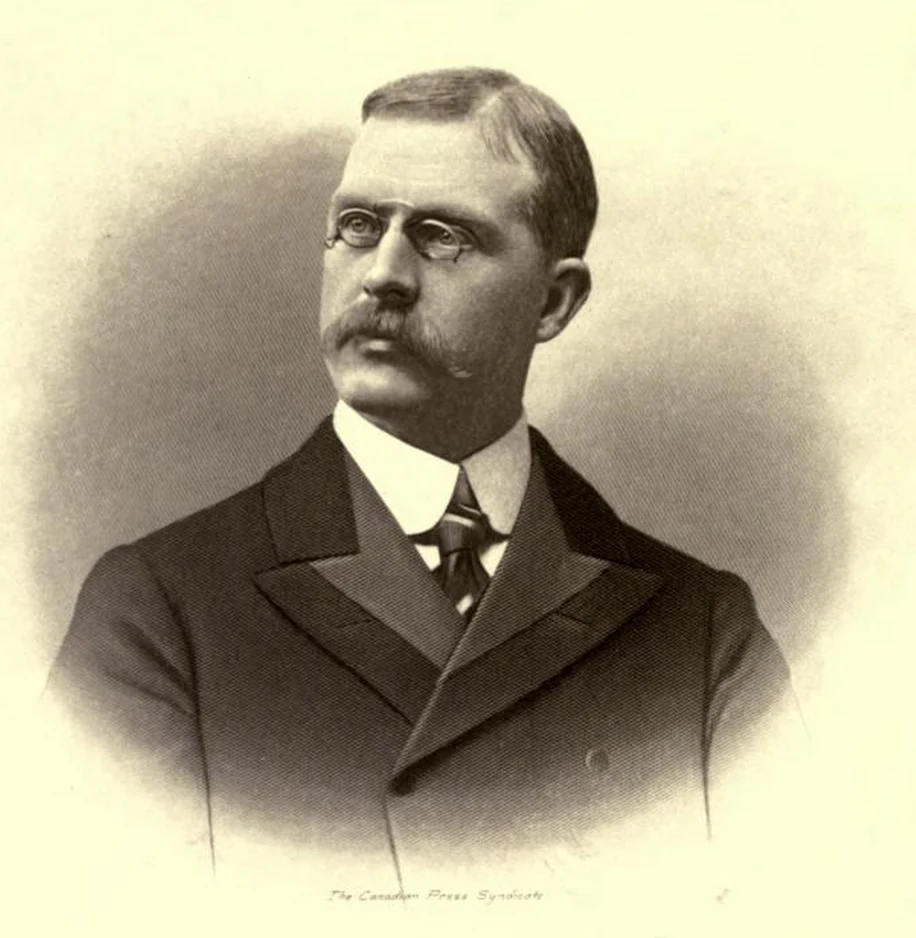
Sidney Altman was born in Montreal in 1939 to immigrant parents who placed education at the centre of family opportunity. His scientific training crossed physics and molecular biology before work at the MRC Laboratory of Molecular Biology in Cambridge. His Nobel autobiography describes arriving with one proposed research problem and being encouraged to find another. Studies of transfer-RNA precursors led him towards the processing enzyme RNase P, a problem he continued after joining Yale in 1971.
An RNA component did more than support protein
RNase P contains RNA and protein components. Work involving Cecilia Guerrier-Takada and other colleagues showed that its RNA component could catalyse cleavage under defined conditions without the protein component. A 1984 paper also tested RNA prepared by transcription in vitro, linking catalytic activity with a deliberately produced RNA molecule. Altman's lecture explains the importance of preparation purity, substrates and ionic conditions. The conclusion challenged the assumption that biological catalysts must always be proteins, rather than showing that protein components never matter.
Research and a broader university life
Altman served as a department chair and dean of Yale College before returning to full-time professorial work in 1989. That year he shared the chemistry prize with Thomas Cech for catalytic RNA. Their systems differed: RNase P processes another RNA molecule, while Cech's early work concerned a self-splicing RNA. Altman died in 2022. His career shows why a negative result under one buffer condition cannot settle every question about a molecule's capabilities; a different, controlled preparation can reveal a function that an earlier assay obscured.
Quick answers
Frequently asked questions about Sidney Altman
- What is Sidney Altman known for?
- Discovery of the catalytic activity of the RNA component of RNase P.
Keep exploring
Lives connected to this story
- Thomas R. Cech
Compare the related experimental question and research career.
- Robert W. Holley
Compare the related experimental question and research career.
Sources and further reading
Explore the evidence
These references support the biography and offer further reading. Official records, first-person accounts and independent reporting provide different perspectives; image records document attribution and licensing.
- 1. Nobel Prize OutreachSidney Altman — Facts
Source scope: Birth/death and award metadata; short official work summary.
- 2. Nobel FoundationSidney Altman — Biographical
Source scope: Selected historical passages, as recorded in the research evidence ledger; not a full-document reading claim.
- 3. Nobel FoundationSidney Altman — Nobel lecture
Source scope: Selected historical passages, as recorded in the research evidence ledger; not a full-document reading claim.
- 4. Guerrier-Takada and Altman / ScienceCatalytic activity of an RNA molecule prepared by transcription in vitro
Source scope: Complete abstract: M1 RNA and in-vitro transcript cleavage without protein; altered substrate range with protein.