In this biography
Quick facts
- Born
- 1757
- Died
- 1818
- Birthplace
- Westminster
- Country
- United Kingdom
- Nationality
- Not independently established
- Known for
- Reforming capital punishment for property offences and requesting criminal justice returns
Why this life matters
Romilly used narrowly framed legislation and criminal justice statistics to challenge the operation of severe penalties.
Timeline
Key moments
Returns ordered
Parliament asks for distinct criminal justice counts.
Renewed proposal
Romilly uses returns in a narrow repeal argument.
Legal training and national office
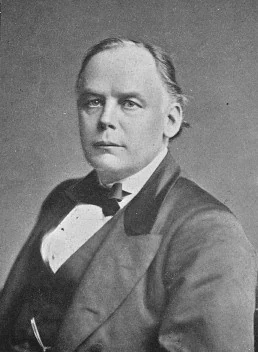
Samuel Romilly was born in Westminster in 1757 into a family of Huguenot background. He entered Gray’s Inn in 1778 and was called to the bar in 1783, building a legal career before obtaining national political office. In 1806 he became solicitor general and entered Parliament for Queenborough. These stages placed him within both legal practice and the legislature, giving his later proposals for criminal-law reform a practical setting rather than making him solely an outside commentator on punishment.
Investigating punishment while pursuing reform
Romilly sought changes to particular capital offences rather than proposing to replace the entire system in one measure. His work also included gathering evidence about how punishment operated. In June 1808 he secured an order for returns distinguishing people committed for trial, convicted, acquitted and discharged. The figures requested separated death sentences from executions. This parliamentary investigation complemented legislative proposals by asking whether the severity written into the law matched what courts and authorities actually did.
Persistence and institutional resistance
In 1818 Romilly again sought repeal of the capital provision for privately stealing goods worth five shillings in specified premises. He reported repeated Commons support and resistance in the Lords, showing that a reformer’s influence did not guarantee enactment. The proposal connected his career in law with a persistent legislative campaign. He died later that year. His importance lies in that sustained work of investigation and persuasion, as well as in the broader movement away from a criminal code that threatened death for many property offences.
Quick answers
Frequently asked questions about Samuel Romilly
- What is Samuel Romilly known for?
- Reforming capital punishment for property offences and requesting criminal justice returns.
Keep exploring
Lives connected to this story
- Joseph Hume
Read another reformer who brought committee evidence into parliamentary debate.
Sources and further reading
Explore the evidence
These references support the biography and offer further reading. Official records, first-person accounts and independent reporting provide different perspectives; image records document attribution and licensing.
- 1. National Portrait GallerySir Samuel Romilly
- 2. UK Parliament, Historic HansardCriminals, 29 June 1808
- 3. UK Parliament, Historic HansardPrivately Stealing in Shops Bill, 25 February 1818
- 4. National Portrait Gallery, digitised historic catalogueHistorical and descriptive catalogue, p322: Samuel Romilly