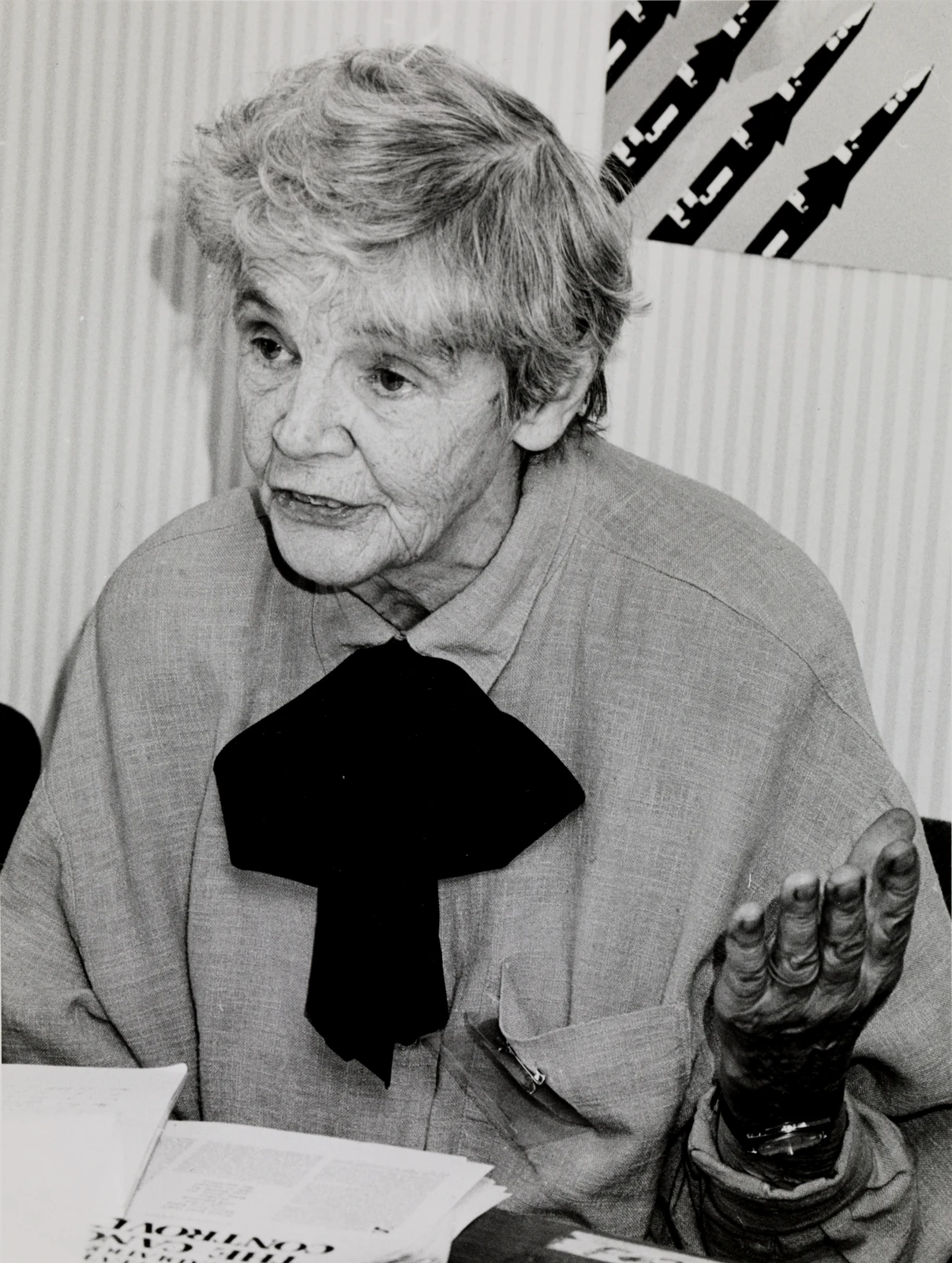
In this biography
Quick facts
- Born
- 1925
- Died
- 2013
- Birthplace
- Batley, United Kingdom
- Country
- United Kingdom
- Nationality
- Not independently established
- Known for
- Development of in-vitro fertilisation with Patrick Steptoe, Jean Purdy and collaborators
Why this life matters
The contribution lay in connecting laboratory reproductive biology with a viable clinical pathway, with each intermediate stage requiring its own evidence before the final outcome could be claimed.
Timeline
Key moments
Birth
Born in Batley, United Kingdom.
Nobel recognition
Received the Nobel Prize in Physiology or Medicine.
Reproductive physiology before a clinical result
Robert Edwards was born in Batley in 1925. After army service he studied at Bangor and completed doctoral research at Edinburgh. He moved to Cambridge in 1963, where his work addressed egg maturation, fertilisation and early development. The sequence matters: the clinical achievement later associated with IVF depended on investigating several biological stages that could fail independently. An egg's maturation, an early fertilisation observation and the birth of a child were not interchangeable endpoints.
A collaborative programme with distinct expertise
Edwards worked with Patrick Steptoe, whose surgical expertise was central to obtaining eggs, and Jean Purdy, whose laboratory and embryological contribution is documented in the Cambridge archive. A 1969 paper by Edwards, Barry Bavister and Steptoe reported early stages of human fertilisation in vitro. Further work preceded Louise Brown's birth in 1978. Cambridge's account of Edwards's papers also records his efforts to secure proper recognition of Purdy, making attribution part of the evidence rather than a decorative addition to the discovery story.
Recognition and the limits of a milestone account
Edwards received the 2010 medicine prize for developing IVF and died in 2013. The award recognised an achievement built through long collaboration, while its sole-recipient form should not erase the other contributors. A historical account can explain this development without presenting a modern treatment protocol or success-rate estimate. The contribution lay in connecting laboratory reproductive biology with a viable clinical pathway, with each intermediate stage requiring its own evidence before the final outcome could be claimed.
Quick answers
Frequently asked questions about Robert G. Edwards
- What is Robert G. Edwards known for?
- Development of in-vitro fertilisation with Patrick Steptoe, Jean Purdy and collaborators.
Keep exploring
Lives connected to this story
- John B. Gurdon
Compare the related experimental question and research career.
- Joseph E. Murray
Compare the related experimental question and research career.
Sources and further reading
Explore the evidence
These references support the biography and offer further reading. Official records, first-person accounts and independent reporting provide different perspectives; image records document attribution and licensing.
- 1. Nobel Prize OutreachRobert G. Edwards — Facts
Source scope: Birth/death and award metadata; short official work summary.
- 2. Nobel FoundationRobert G. Edwards — Nobel lecture
Source scope: Selected historical passages, as recorded in the research evidence ledger; not a full-document reading claim.
- 3. Edwards, Bavister and Steptoe / NatureEarly Stages of Fertilization in vitro of Human Oocytes Matured in vitro
Source scope: Title, complete short abstract and author affiliations; no full-text methods claim.
- 4. University of CambridgeProfessor Sir Robert Edwards 1925–2013
Source scope: Family notice and institutional career/milestone paragraphs;2013 cumulative birth total not reused as a current statistic.
- 5. University of Cambridge / Churchill Archives CentreEdwards archive and recognition of Jean Purdy
Source scope: Archive-opening account and letters concerning Purdy’s equal contribution; interpretation tied to archival description, not unseen individual letters.