In this biography
Quick facts
- Born
- 7 January 1945
- Died
- 15 October 2025
- Birthplace
- Maseno, Kenya
- Country
- Kenya
- Nationality
- Not independently established
- Known for
- Multiparty politics, the 2008 coalition, constitutional reform and presidential election petitions
- Born
- 7 January 1945, Maseno
- Prime Minister
- 2008–2013
- AU infrastructure appointment
- 20 October 2018
- Died
- 15 October 2025
Why this life matters
His career shows how opposition organisation, coalition bargaining and the courts became connected routes for contesting and exercising political authority.
Timeline
Key moments
Born in Maseno
Son of Oginga Odinga and Mary Juma Odinga.
Elected for Lang’ata
Entered Parliament after the restoration of multiparty elections.
Power-sharing agreement
Signed the coalition agreement with Mwai Kibaki on 28 February.
Prime Minister
Held the coordinating office created by the National Accord.
Successful election petition
Joint petition with Kalonzo Musyoka led to a fresh presidential election order.
African Union appointment
Appointed infrastructure high representative on 20 October.
Death
Died in India on 15 October.
Technical training preceded a parliamentary career
Raila Odinga was born in Maseno on 7 January 1945, the son of Oginga Odinga and Mary Juma Odinga. Education in Kenya and East Germany gave him an engineering background before his best-known political roles. He taught mechanical engineering at the University of Nairobi and became involved in manufacturing through East African Spectre. The National Assembly’s 2025 communication and the state funeral programme remember these activities alongside his public career. They help restore a practical, technical dimension to a life usually presented through elections. They are also commemorative accounts, whose praise should be distinguished from independently measured industrial achievements.
Opposition required organisations and allies
Odinga experienced detention and became a prominent participant in the struggle over political freedom under Daniel arap Moi. He entered Parliament for Lang’ata in 1992, after the return of multiparty competition. His subsequent career involved building, leaving and combining political organisations rather than remaining within one unchanging party structure. In 2002 he backed Mwai Kibaki through the National Rainbow Coalition, contributing to a wider alliance that ended KANU’s hold on the presidency. Other party leaders, lawyers, campaigners, religious organisations and voters made that transition possible. His prominence should not turn a broad movement into the achievement of a single political family. He never held Kenya’s presidency.
The 2008 settlement created a specific governing role
After the disputed 2007 presidential election and ensuing violence, Odinga and President Kibaki signed the 28 February 2008 partnership agreement. Kofi Annan and Jakaya Kikwete witnessed it. The National Accord legislation created a prime minister charged with coordinating and supervising government functions, including ministries, while retaining the presidency. Odinga served in that office from 2008 to 2013. The settlement gave his movement a place in executive government without resolving the disputed election by declaring him president. Negotiating teams and the African-led mediation mattered: the agreement was neither his unilateral appointment of himself nor a transfer of every presidential power.
Constitutional reform outlasted the coalition office
The 2010 Constitution placed national and county government within a new framework, alongside rights, independent institutions and revised executive arrangements. Odinga was an important political advocate of constitutional reform, but drafting, parliamentary decisions and public approval involved many participants. Its Sixth Schedule preserved the existing president and prime minister through the transition to the first elections under the new order. This matters to his biography: promulgation did not remove him from office overnight, while his temporary coalition premiership did not become a permanent post in the new executive. His contribution was political leadership within an institutional process.
Litigation brought a victory with limits
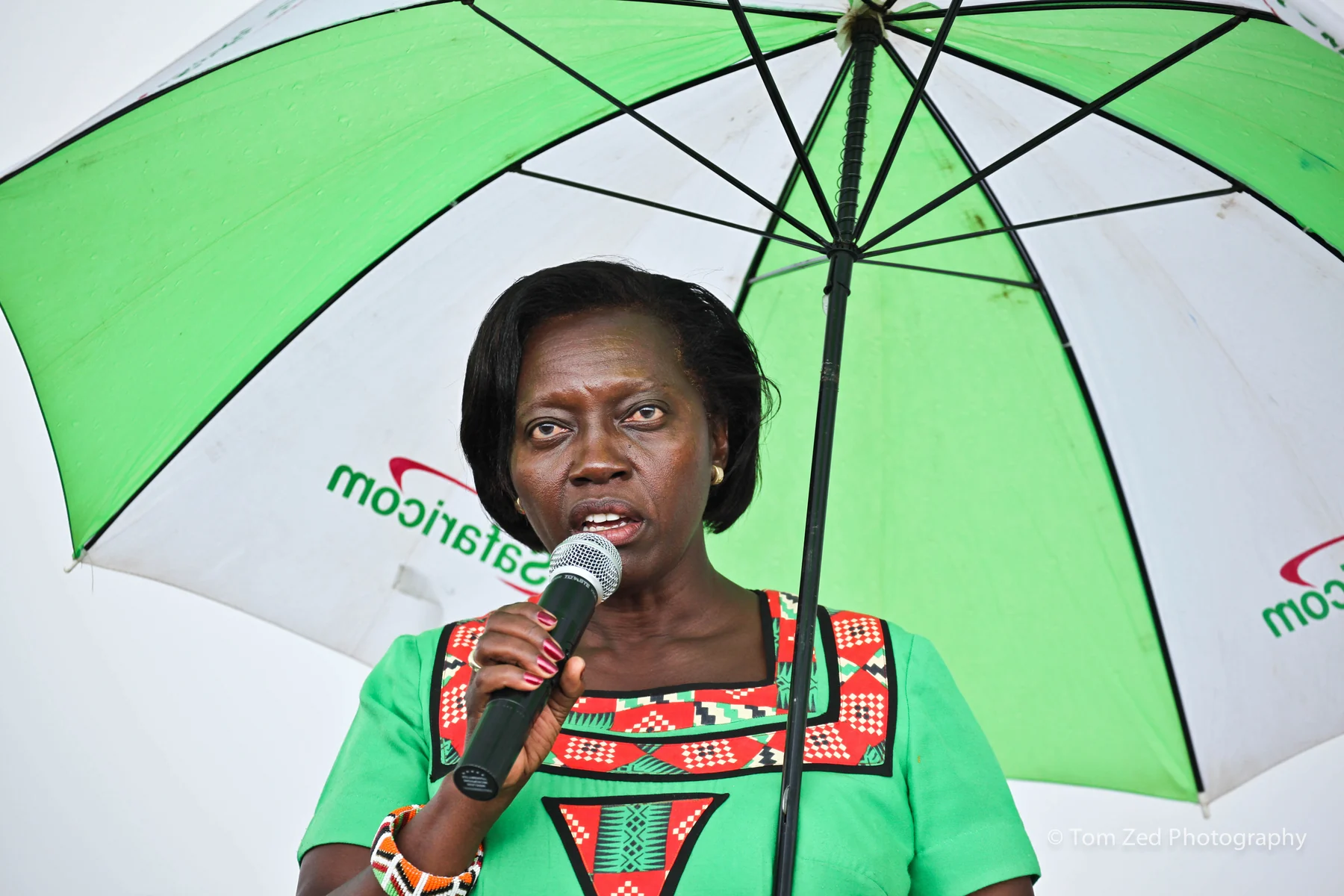
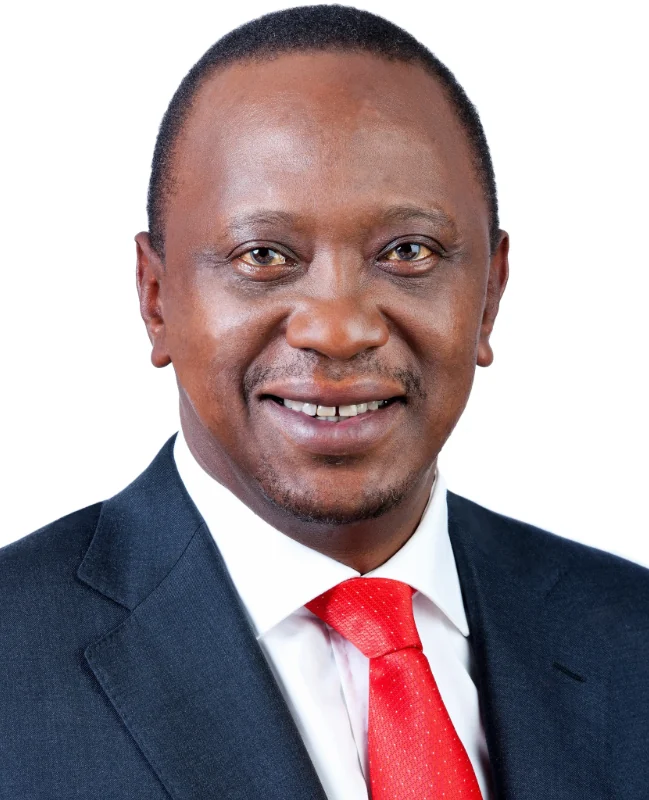
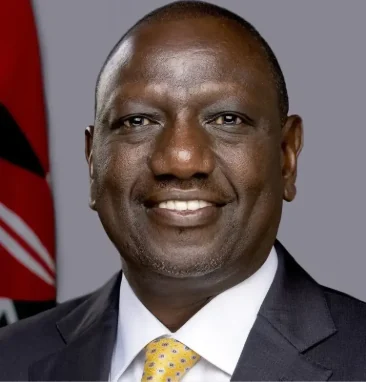
Odinga and Stephen Kalonzo Musyoka challenged the August 2017 presidential election. The Supreme Court majority invalidated the declared result and required a fresh election; its detailed reasons followed on 20 September. It found serious problems with constitutional and electoral compliance, while expressly declining to find proven misconduct by Uhuru Kenyatta or criminal culpability by identified electoral officials. The remedy did not install Odinga as president. He stayed out of the subsequent contest. In 2022 he ran with Martha Karua, and their challenge to William Ruto’s election ended differently: the Court unanimously dismissed the consolidated petitions and upheld Ruto’s election.
A continental assignment and a completed life
The African Union Commission appointed Odinga high representative for infrastructure development on 20 October 2018. Its announcement defined an advocacy and coordination mandate: mobilising political support, working with Commission and NEPAD structures, and attending to missing transport connections. Appointment to that mandate is evidence of responsibility, not proof that he personally completed the continent’s railways or highways. Odinga died in India on 15 October 2025. The dated presidential proclamation and parliamentary communication establish that endpoint. His legacy combines the enlargement of opposition politics and negotiated reform with repeated electoral defeats, shifting alliances and the unresolved demands that political compromise could not itself satisfy.
Quick answers
Frequently asked questions about Raila Odinga
- Who was Raila Odinga?
- Raila Odinga was an opposition leader, Cabinet minister and Prime Minister of Kenya. His career shows how opposition organisation, coalition bargaining and the courts became connected routes for contesting and exercising political authority.
- What is Raila Odinga best known for?
- Raila Odinga is best known for multiparty politics, the 2008 coalition, constitutional reform and presidential election petitions.
- When and where was Raila Odinga born?
- Raila Odinga was born on 7 January 1945 in Maseno, Kenya.
- When did Raila Odinga die?
- Raila Odinga died on 15 October 2025.
Keep exploring
Lives connected to this story
- Oginga Odinga
Compare his father’s earlier opposition role and the different constitutional setting.
- Mwai Kibaki
Read the career of the president with whom he negotiated the 2008 coalition.
- Martha Karua
Follow his 2022 running mate’s earlier legal and ministerial career.
- Uhuru Kenyatta
Compare the 2017 declared winner’s government with the election petition.
- Musalia Mudavadi
Read another ODM participant in the 2008 coalition negotiations.
Sources and further reading
Explore the evidence
These references support the biography and offer further reading. Official records, first-person accounts and independent reporting provide different perspectives; image records document attribution and licensing.
- 1. National Assembly of KenyaCommunication No.45 of 2025 on the passing of Raila Odinga, 16 October 2025
- 2. State funeral programme and family tributes, RAO Tribute PortalThe Life and Times of Raila Amolo Odinga: state funeral programme, October 2025
- 3. Government/PNU and ODM; UN Peacemaker copyActing Together for Kenya: signed agreement, 28 February 2008
- 4. National Council for Law Reporting; PolicyVault mirror of official publicationNational Accord and Reconciliation Act No.4 of 2008, Revised Edition 2012
- 5. Ministry of Defence, Republic of KenyaConstitution of Kenya, 2010: complete text, schedules and transition provisions
- 6. Supreme Court of KenyaRaila Amolo Odinga and another v IEBC and others, Presidential Petition No.1 of 2017: majority reasons, 20 September 2017
- 7. National Council for Law Reporting; Supreme Court of KenyaKenya Law Reports: Presidential Election Petitions, Volume 1, 2013–2022, including 2022 decisions
- 8. Independent Electoral and Boundaries CommissionKenya Gazette No.129 A, notice 7995, 1 July 2022: nominated candidates, First Schedule
- 9. African Union CommissionAppointment of an African Union High Representative for Infrastructure Development, 20 October 2018
- 10. President of Kenya; RAO Tribute PortalPresidential proclamation on the death of Raila Amolo Odinga, 15 October 2025
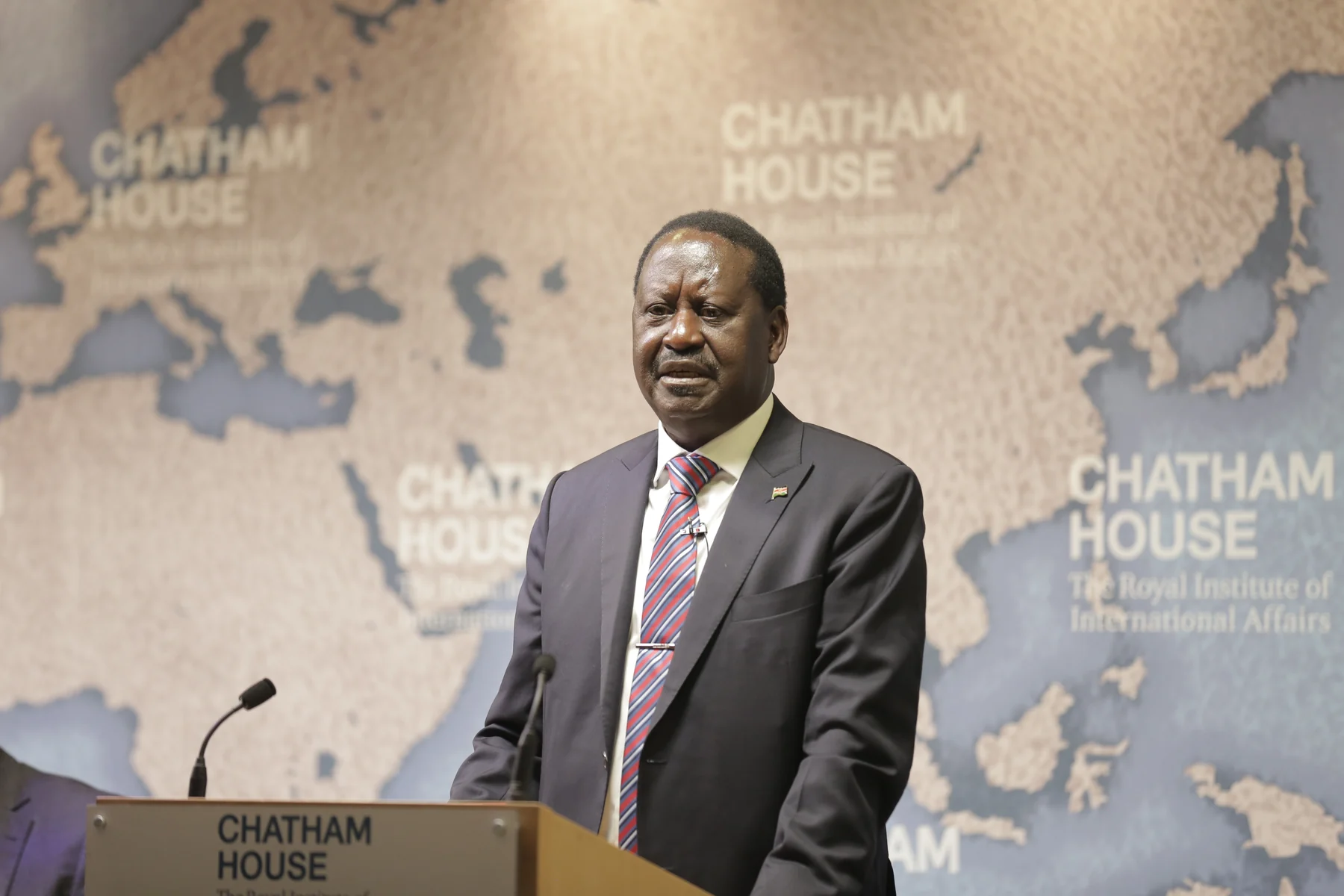
- 11. Chatham HousePortrait identity, creator and rights record
Complete original-size Flickr frame, obtained from the uncropped Commons historical revision. Byte identity to Flickr’s inaccessible original endpoint is not separately asserted. Author-account item and original-size page both link directly to CC BY 2.0, which permits commercial use with attribution. The Commons current file is a crop; its historical full-frame revision was deliberately acquired instead.