
In this biography
Quick facts
- Born
- 23 March 1872
- Birthplace
- Tatong, near Benalla, Victoria, Australia
- Country
- New Zealand
- Nationality
- Not independently established
- Known for
- The first Labour government, state housing and the Social Security Act 1938
- Born
- 23 March 1872, Tatong, Victoria
- Arrived in New Zealand
- 1907
- Labour leader
- 1933–1940
- Prime minister
- 1935–1940
Why this life matters
His career shows how a labour movement built electoral strength and translated social protection into institutions, funding and services.
Timeline
Key moments
Born in Victoria
Raised in a family of Irish immigrants.
Migration to New Zealand
Arrived at Wellington before settling in Auckland.
Entered Parliament
Won Auckland West after earlier unsuccessful campaigns.
Labour leader
Succeeded Harry Holland.
Labour took office
Became New Zealand’s first Labour prime minister.
Miramar opening
Helped the McGregors move into a new state house.
Social Security Act
Parliament enacted the scheme on 14 September.
Death
Died in Wellington on 27 March.
Work and organising across the Tasman
Michael Joseph Savage was born on 23 March 1872 at Tatong, near Benalla in Victoria. Employment took him from shop work to labouring in the Riverina, a gold-mining district and a cooperative bakery. These jobs gave him practical experience of insecure earnings and collective organisation before he held office. His Australian union and labour contacts also mattered: migration did not begin his political education. He reached Wellington in 1907 and later settled in Auckland, where work as a brewery cellarman brought him into local union leadership.
Sources for this section: [1]
A movement built a parliamentary route
Savage became active in the labour organisations that preceded the New Zealand Labour Party, formed in 1916. Electoral success took time. After unsuccessful campaigns, he won Auckland West in 1919 and became a durable parliamentary organiser. He served as Harry Holland’s deputy before succeeding him as leader in 1933. Labour’s victory on 27 November 1935 gave Savage the premiership during recovery from the Depression. It also brought an experienced team to office, including Peter Fraser and Walter Nash; policies depended on their ministries and parliamentary support as well as the leader’s public appeal.
Housing combined a public promise with construction
One of the government’s most tangible projects was a programme of state rental housing. On 18 September 1937 Savage helped David and Mary McGregor move into 12 Fife Lane, Miramar, carrying their dining table through the crowd. The ceremony represented a larger delivery system. Government plans used private builders, a Department of Housing Construction and the State Advances Department, which managed the houses. The programme addressed a housing shortage while aiming to create employment. A photograph of the prime minister moving furniture captured the promise, but departments, contractors and tenants made that promise into a functioning housing scheme. In 1936 the government planned 5,000 state rental houses across the country. Linking public finance to private construction capacity was part of the programme’s design, rather than a contradiction of its public purpose.
Sources for this section: [3]
Re-election did not remove the practical disputes
The 1938 election renewed Labour’s mandate, but the social security programme faced arguments over taxation, financial sustainability and medical practice. Rockwell’s contemporary Social Security Board analysis records opposition from doctors’ representatives, business organisations and others already covered by private arrangements. Such disputes help explain why implementation required negotiation as well as legislation. Benefits were funded collectively rather than calculated as individual savings accounts. Savage’s broad language of security gave the programme a political identity; its administrators still had to decide eligibility, collect revenue and make arrangements with service providers. Those decisions shaped what households actually received.
A short premiership and a long public image
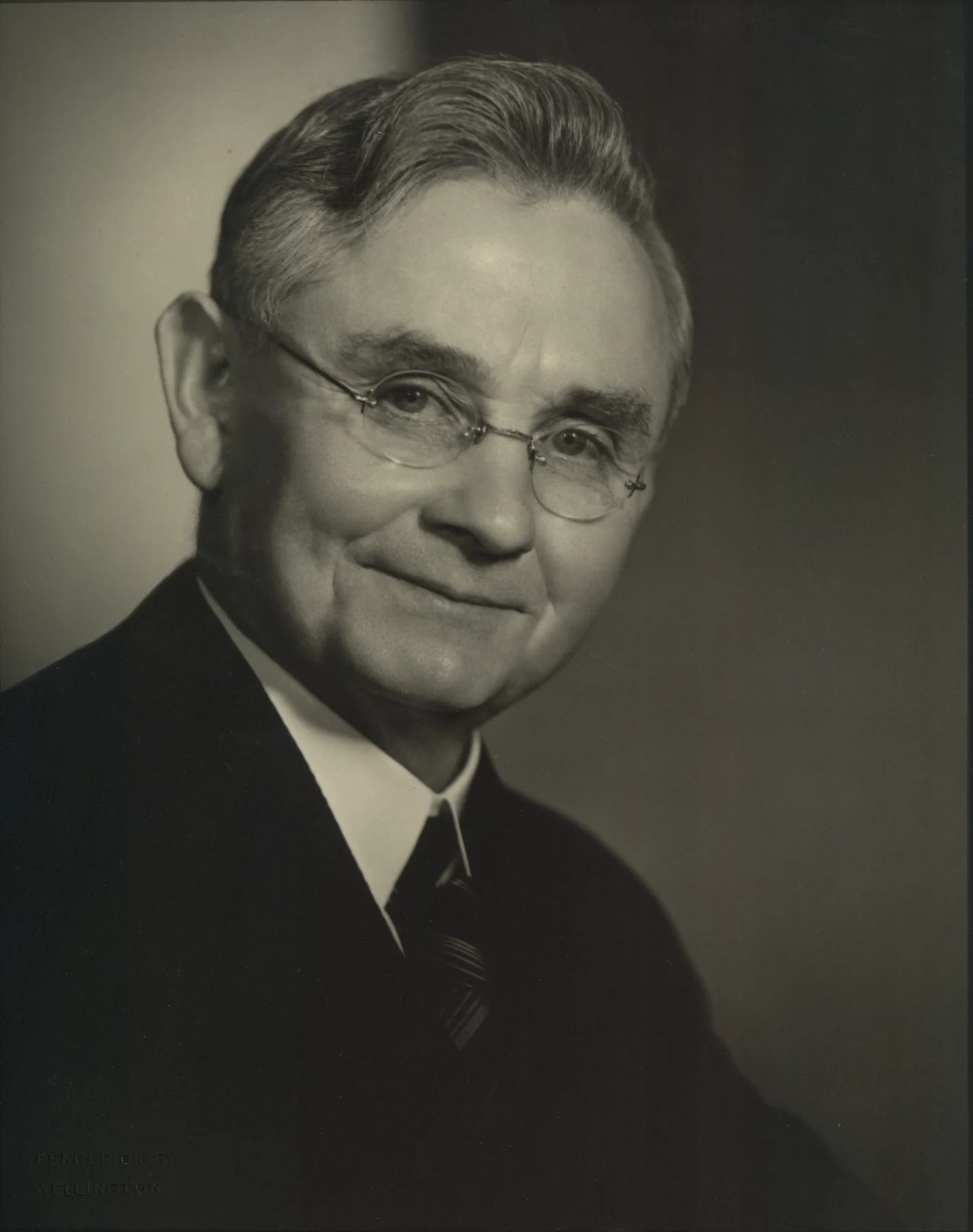
Savage’s health deteriorated during his final years, and he died in Wellington on 27 March 1940. Fraser succeeded him while New Zealand was at war. Savage’s image nevertheless remained a familiar presence in supporters’ homes. Te Papa’s research traces the famous Spencer Digby portraits to a brief studio sitting on 9 March 1936 and distinguishes three versions that are often treated as one. Their repeated publication helped make a personable image stand for a collective programme. His enduring reputation joins that public relationship to identifiable institutions: state rental housing and a social security framework that colleagues and successors continued to administer.
Quick answers
Frequently asked questions about Michael Joseph Savage
- Did Savage create every social security service by himself?
- He was its leading public advocate and prime minister. Cabinet colleagues, Parliament, departments and health practitioners shaped the law and its implementation.
- Was the Miramar house the first government housing ever built?
- The 1937 opening marked the first completed house in the new Labour state housing programme; it should not erase earlier government housing activity.
- Was every promised health service available in April 1939?
- No. Section 79 allowed later starting dates where administrative arrangements were not ready.
Keep exploring
Lives connected to this story
- Peter Fraser
Follow the minister and successor responsible for education, health and wartime government.
Sources and further reading
Explore the evidence
These references support the biography and offer further reading. Official records, first-person accounts and independent reporting provide different perspectives; image records document attribution and licensing.
- 1. Manatū Taonga — Ministry for Culture and HeritageSavage, Michael Joseph — Barry Gustafson, DNZB
Birth record and portrait: Modern DNZB gives 23 March 1872, Tatong near Benalla. Older short accounts differ in place or date. The archive portrait’s complete frame and per-item licence are recorded separately; Te Papa distinguishes three similar 1936 negatives.
- 2. Manatū Taonga — Ministry for Culture and HeritageFirst Labour government wins power, 27 November 1935
- 3. Manatū Taonga — Ministry for Culture and HeritageFirst state house opened in Miramar, 18 September 1937
- 4. Museum of New Zealand Te Papa TongarewaAotearoa New Zealand’s most famous photograph? — Athol McCredie
- 5. United States Social Security BoardThe New Zealand Social Security Act — Almon F. Rockwell, May 1939
- 6. New Zealand Parliamentary Counsel OfficeSocial Security Act 1938, No. 7, as enacted
Superannuation age: Section 11’s heading says over sixty-five, but the operative provision says attained the age of sixty-five. Narrative uses aged 65 and over. Age and residence qualifications remain separate.
- 7. New Zealand Census and Statistics DepartmentNew Zealand Official Year-Book 1939, Social Security
Social security involved different kinds of entitlement
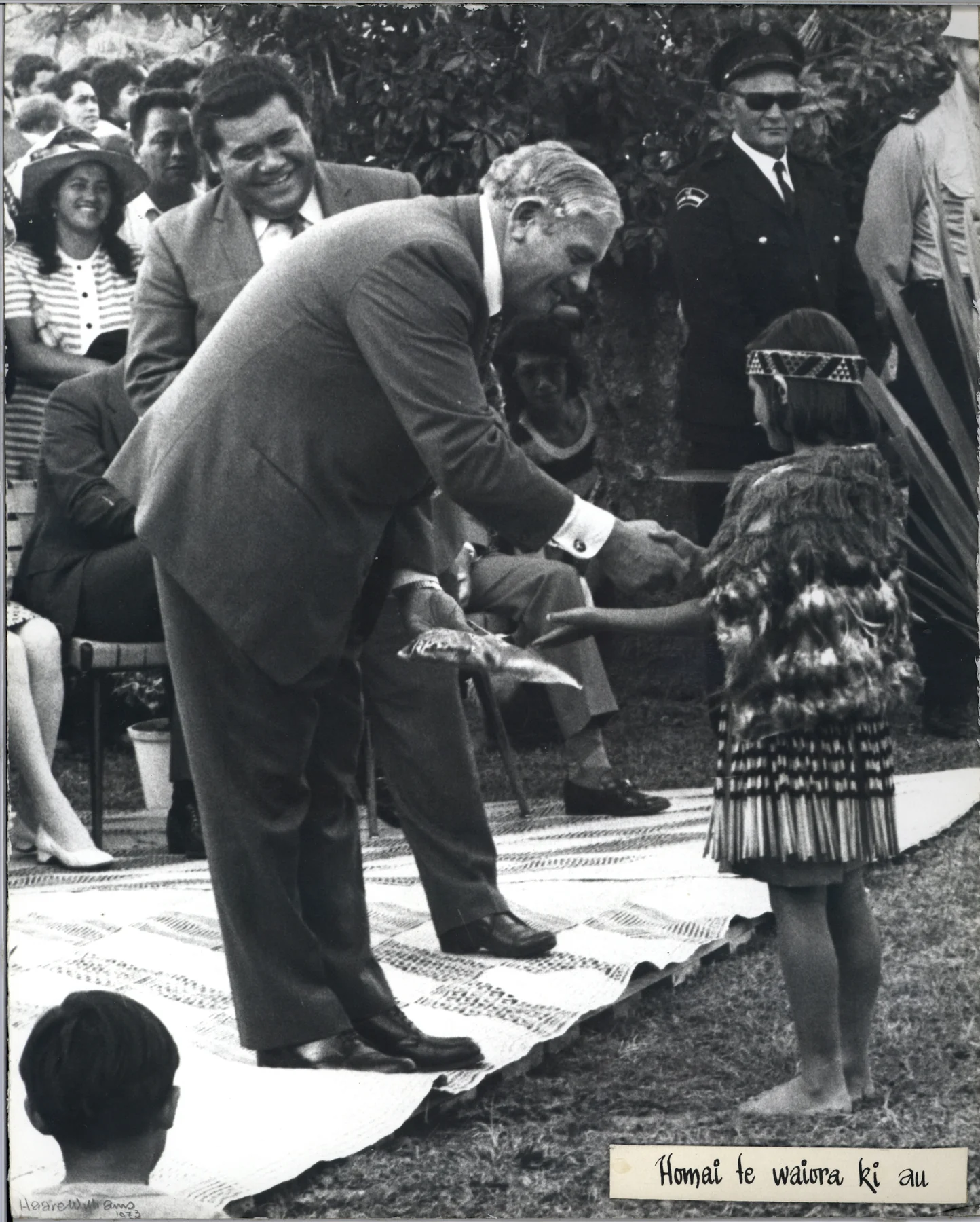
The Social Security Act received assent on 14 September 1938. It combined income support with a planned system of medical, hospital, pharmaceutical and maternity benefits. Savage championed the measure publicly; Nash’s finance work and Fraser’s health responsibilities were central to its design and operation. The law did not give every person the same cash payment. Means-tested age benefits from age 60 differed from the smaller superannuation payment for qualifying people aged 65 and over, which began in April 1940. Cash administration and the organisation of health services followed different schedules. His political achievement was the new framework, rather than instantaneous delivery of every promised service.
Sources for this section: [6] · [5] · [7]