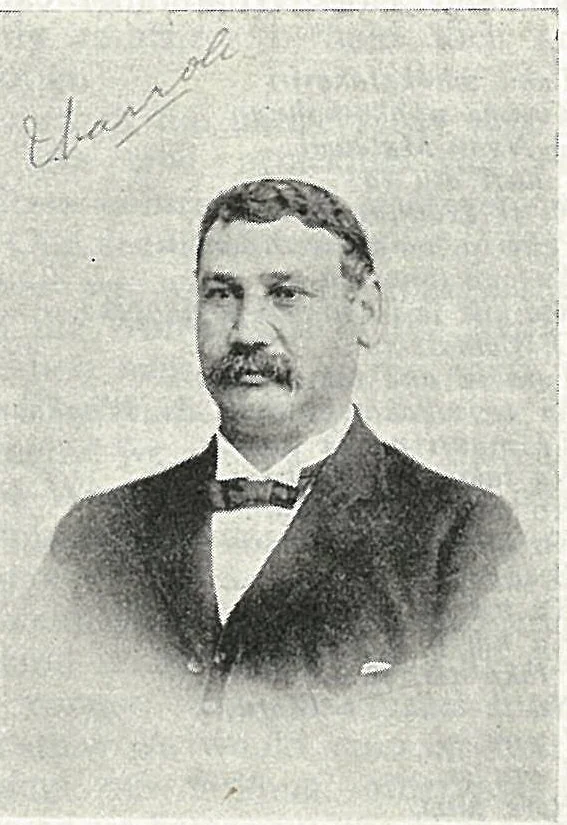
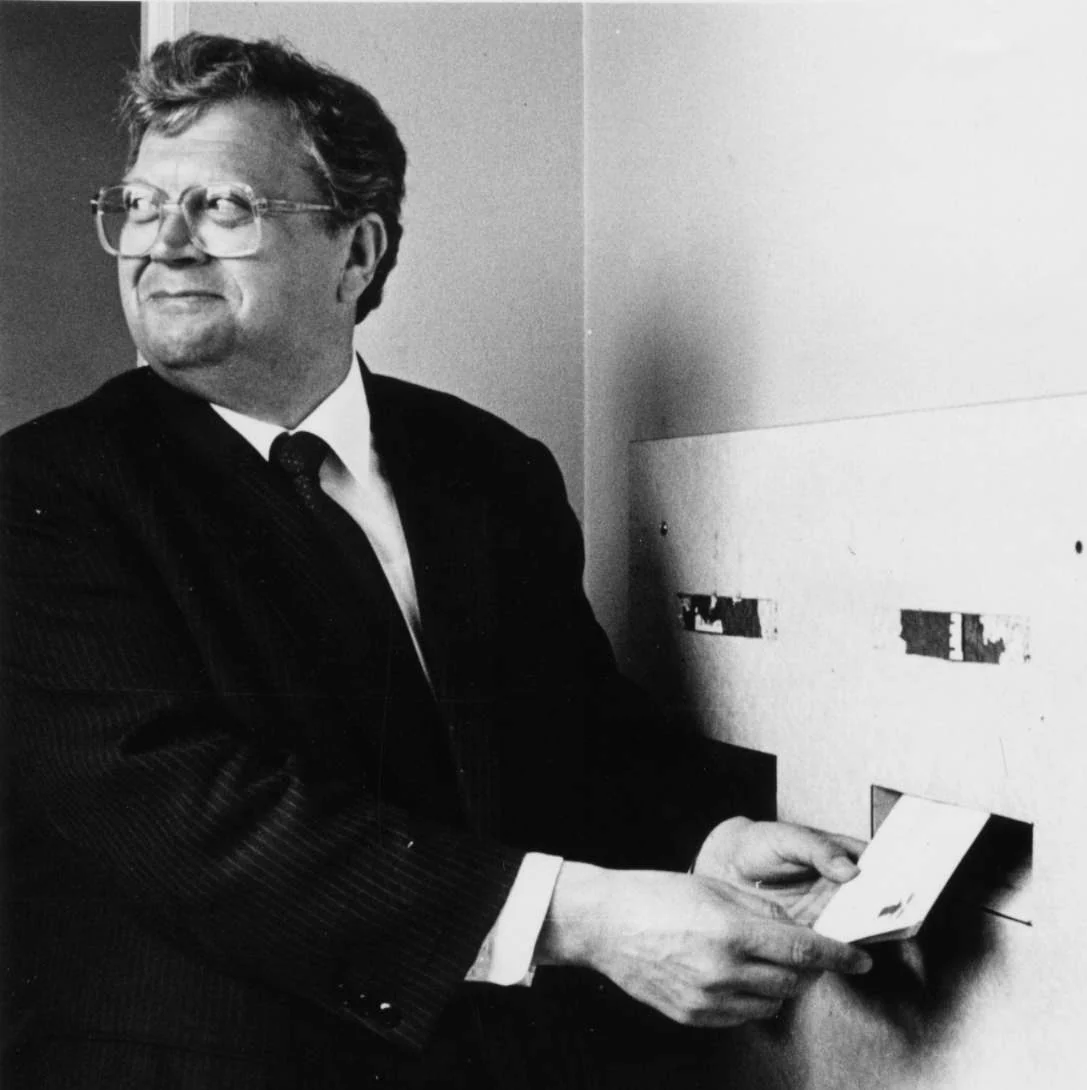
In this biography
Quick facts
- Born
- 1875 or 1876
- Died
- 1930
- Birthplace
- Pāhau pā, Ōnaera, Taranaki, New Zealand
- Country
- New Zealand
- Nationality
- Not independently established
- Known for
- Māori public health and representation
Why this life matters
His career connects local sanitation work and political representation, while showing why public health reports need to be read in the context of colonial authority.
Timeline
Key moments
Māori health officer
Joins the Department of Public Health.
Western Māori
Wins the parliamentary seat.
Vital registration
Helps obtain compulsory registration of Māori births and deaths.
Education and medical training
Pōmare was born in Taranaki. The school register and death certificate cited by his biographer give different birth dates, so the year is best presented with both possibilities. He attended Te Aute College, where students debated what professional training could do for their communities. He went to the United States for medical education and qualified in Chicago in 1899. On returning, he brought a doctor’s training to questions about living conditions and government administration.
Sources for this section: [1]
Health work outside the office
Appointed Māori health officer in 1901, Pōmare worked with local councils and people responsible for sanitary inspection. His village visits made water, waste and housing part of the department’s field of observation. A parliamentary report printed his account alongside other officers’ work. It gives a view from an official who travelled and reported to the department, alongside measures carried out through relationships with local leaders.
Cooperation and coercion
Pōmare supported legislation suppressing the practices of tohunga in 1907. His biographer places this position alongside interventions in housing and sanitation. The measures did not all rely on consent, and recording a public health purpose does not settle how communities experienced enforcement. The department also lost funding and changed how it administered Māori health work. Results depended on capacity and local participation as well as the existence of an office.
Representation in Parliament
Pōmare won Western Māori in 1911 and later joined the Executive Council. He helped obtain compulsory registration of Māori births and deaths. Registration and inspection created different forms of administrative knowledge. The first can count recorded events, while the second can describe conditions in places that an officer visited.
Quick answers
Frequently asked questions about Māui Pōmare
- Why are two birth years given for Pōmare?
- His biographer reports a school register date in 1875 and a death certificate date in 1876.
Keep exploring
Lives connected to this story
- James Carroll
Compare the minister who helped establish the Māori councils within which health work operated.
- Āpirana Ngata
Compare another Te Aute-educated leader’s approach to Māori political advancement.
- James Allen
Explore James Allen’s career in politician, defence minister and diplomat and the documented study New Zealand Naval Defence 1913: The Philomel Link.
Sources and further reading
Explore the evidence
These references support the biography and offer further reading. Official records, first-person accounts and independent reporting provide different perspectives; image records document attribution and licensing.