In this biography
Quick facts
- Born
- 1932
- Died
- 8 July 2023
- Birthplace
- Malacca, British Malaya (now Malaysia)
- Country
- Singapore
- Nationality
- Not independently established
- Known for
- Founding chairman of the National Wages Council.
- Public role
- National Wages Council chairman
Why this life matters
His career shows how economic argument enters a negotiated institution. Evaluating that work requires distinguishing the chair’s contribution, an agreed recommendation and its subsequent effects.
Timeline
Key moments
A university transition
Joined Nanyang Technological University.
An economist and educator
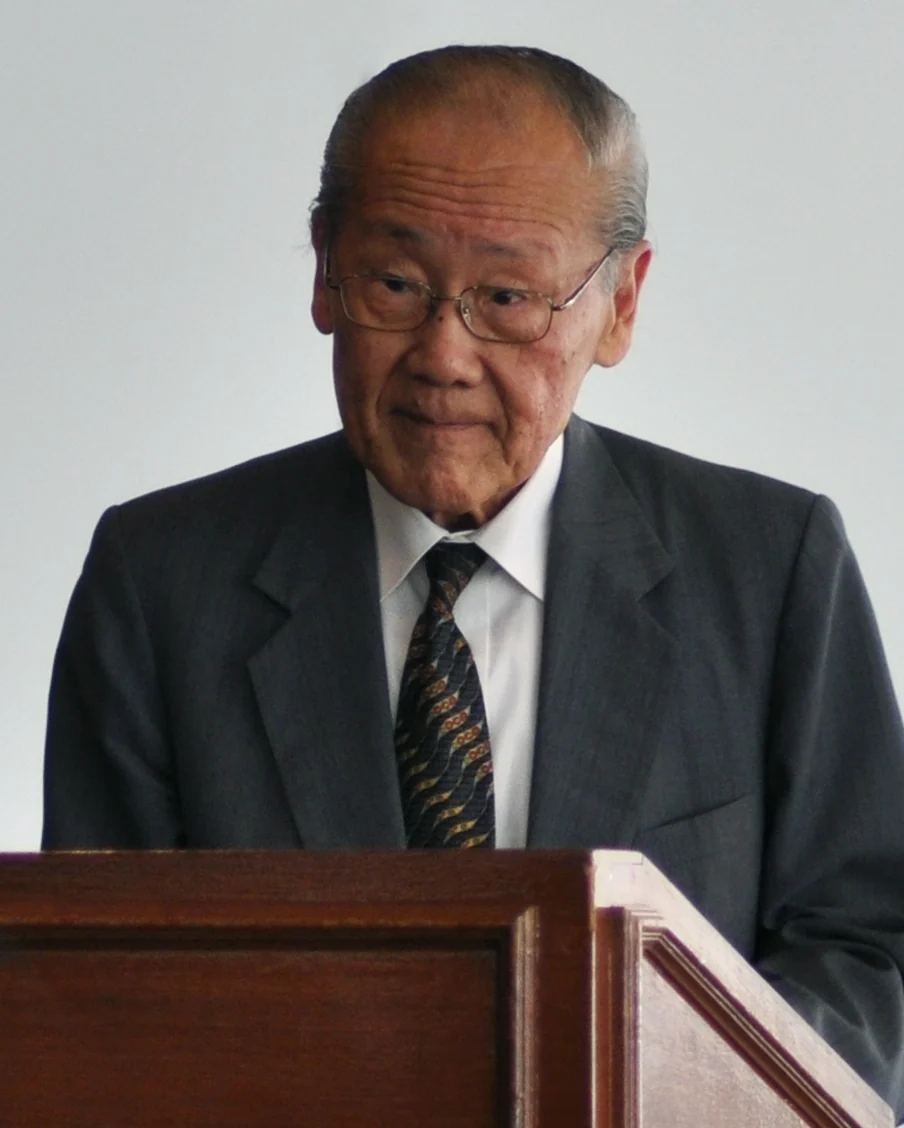
Lim Chong Yah was born in Malacca in 1932.
An economics graduate of the University of Malaya in 1955, he later became dean of Arts and Social Sciences and head of Economics and Statistics in Singapore. His academic leadership included the development of postgraduate programmes.
An institution for bargaining
Lim became the first chairman of the National Wages Council in 1972 and served until 2001. The council brought government, employer and trade-union representatives together in an advisory body working through consensus.
The 1979 guidelines connected higher wage costs with a proposed shift away from low-skill, labour-intensive activity. They also discussed training and acknowledged possible temporary unemployment.
Research alongside public responsibility
In the 1980s he led study groups on the Central Provident Fund and economic development options. He joined Nanyang Technological University in 1992 while becoming professor emeritus at NUS.
He also chaired the Skills Development Fund Advisory Council. NTU’s memorial recalled his teaching, support for students and role in developing economics education.
His support for students included an emergency fund and a bursary, extending his educational work beyond lectures and committees.
The reach and limits of a public economist
Lim died on 8 July 2023. Institutional tributes recognised decades of work across academic and policy settings.
A wage recommendation is not an economist’s solitary decree, and an economy’s later growth is not a controlled test of one person’s ideas. His record is more revealing when read through the actual institutions, competing objectives and practical trade-offs with which he worked.
Sources for this section: [3]
Quick answers
Frequently asked questions about Lim Chong Yah
- Who was Lim Chong Yah?
- Lim Chong Yah was an economist. His career shows how economic argument enters a negotiated institution. Evaluating that work requires distinguishing the chair’s contribution, an agreed recommendation and its subsequent effects.
- What is Lim Chong Yah best known for?
- Lim Chong Yah is best known for founding chairman of the National Wages Council..
- When and where was Lim Chong Yah born?
- Lim Chong Yah was born in 1932 in Malacca, British Malaya (now Malaysia).
- When did Lim Chong Yah die?
- Lim Chong Yah died on 8 July 2023.
Keep exploring
Lives connected to this story
- Ungku Aziz
Compare another approach to studying deprivation.
Sources and further reading
Explore the evidence
These references support the biography and offer further reading. Official records, first-person accounts and independent reporting provide different perspectives; image records document attribution and licensing.
- 1. National Trades Union CongressProminent economist Lim Chong Yah passes on
Direct open cache miss; not a claim to have read the complete article. Other obituary with 25-word limit is not used.
- 2. NUS Faculty of Arts and Social SciencesIn Memoriam: Lim Chong Yah
Participant assessment, not an independent national growth effect estimate.
- 3. Nanyang Technological UniversityLim Chong Yah: institutional obituaries
Overlapping NTU obituaries conservatively share one pool; named institutional tributes are not causal studies.
- 4. National Library Board, SingaporeNational Wages Council is established
Institutional history, not the legal force or measured effects of every later guideline.
- 5. National Wages Council / National Archives of Singapore1979 NWC Guidelines
Not all 13 pages read; original proposal, not proof of subsequent implementation or growth effects.