
In this biography
Quick facts
- Born
- 6 December 1816
- Died
- 27 December 1896
- Birthplace
- Sheffield, England
- Country
- United Kingdom
- Nationality
- Not independently established
- Known for
- Sheffield’s Atlas Works and the development of rolled iron armour plate
- Known for
- Sheffield’s Atlas Works and the development of rolled iron armour plate
- Life
- 1816–1896
Why this life matters
Sheffield’s Atlas Works and the development of rolled iron armour plate.
Timeline
Key moments
Railway component
Developed a conical steel spring buffer.
Atlas Works
Concentrated manufacturing at the Atlas Works.
Company change
The business became a limited company.
A Sheffield apprenticeship led into manufacturing
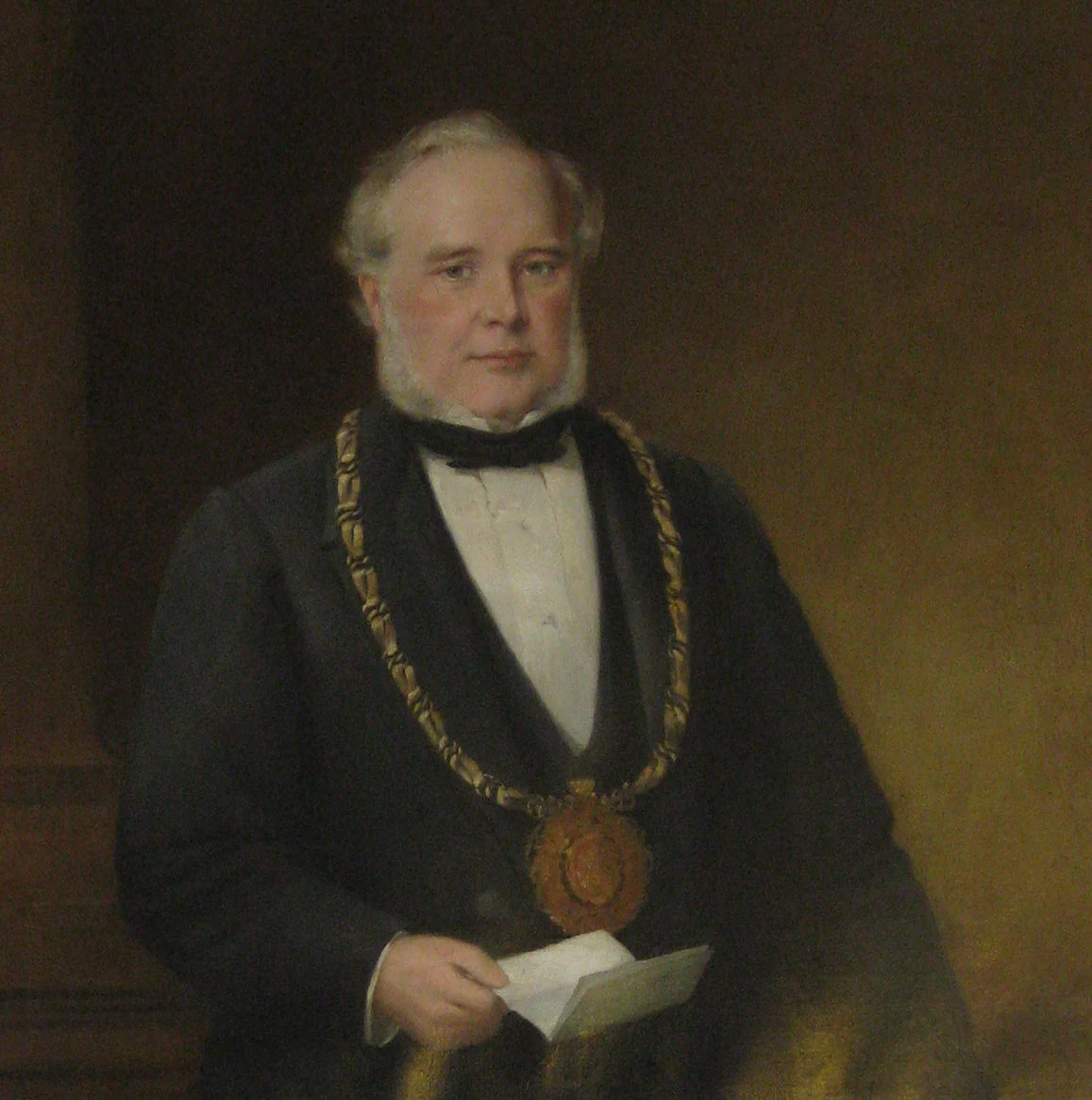
John Brown, the Sheffield industrialist, was born on 6 December 1816. His father was a local slater, and Brown attended a small local school before entering an apprenticeship with the factors Earl, Horton and Company at fourteen. The business traded in manufactured goods and also developed cutlery and file production. Brown later took over a factoring operation with financial help from the senior partner. This background joined commercial experience to manufacturing contacts before the large Atlas establishment for which he became known.
Sources for this section: [1]
Railway components preceded armour production
Brown’s industrial interests included railway equipment. The historical biography credits him with a conical steel spring buffer in 1848 and places the concentration of his businesses at the Atlas Works in Savile Street in 1856. Buffers, rails, forgings and armour belonged to different product requirements, even when produced within one expanding concern. The sequence helps explain why his later naval work emerged from an existing industrial organisation with machinery, labour and customers, rather than from a single isolated moment of invention.
Sources for this section: [1]
Public office and a company outlasted the individual works owner
Brown served as mayor of Sheffield in 1862 and 1863 and as master cutler in the following decade’s middle years. His business became a limited company in 1864, and he was knighted in 1867. The company name continued to identify products after changes in his personal involvement. Brown had married Mary Scholefield in 1839; she died in 1881. He died at Bromley, Kent, on 27 December 1896 and was buried at Ecclesall. His career is best understood through the connections among apprenticeship, industrial capacity, civic standing and the institutional customers that specified and tested his products.
Sources for this section: [1]
Quick answers
Frequently asked questions about John Brown
- Was the surviving Atlas Works sample catalogued as steel armour?
- No. Powerhouse identifies this particular sample as wrought iron.
Keep exploring
Lives connected to this story
- John Fritz
Compare making armour plate with Fritz’s distinct work on the operating arrangement of a rail mill.
- George Frederick Muntz
Compare rolled iron armour with Muntz’s copper-zinc hull sheathing; the materials and functions differed.
Sources and further reading
Explore the evidence
These references support the biography and offer further reading. Official records, first-person accounts and independent reporting provide different perspectives; image records document attribution and licensing.