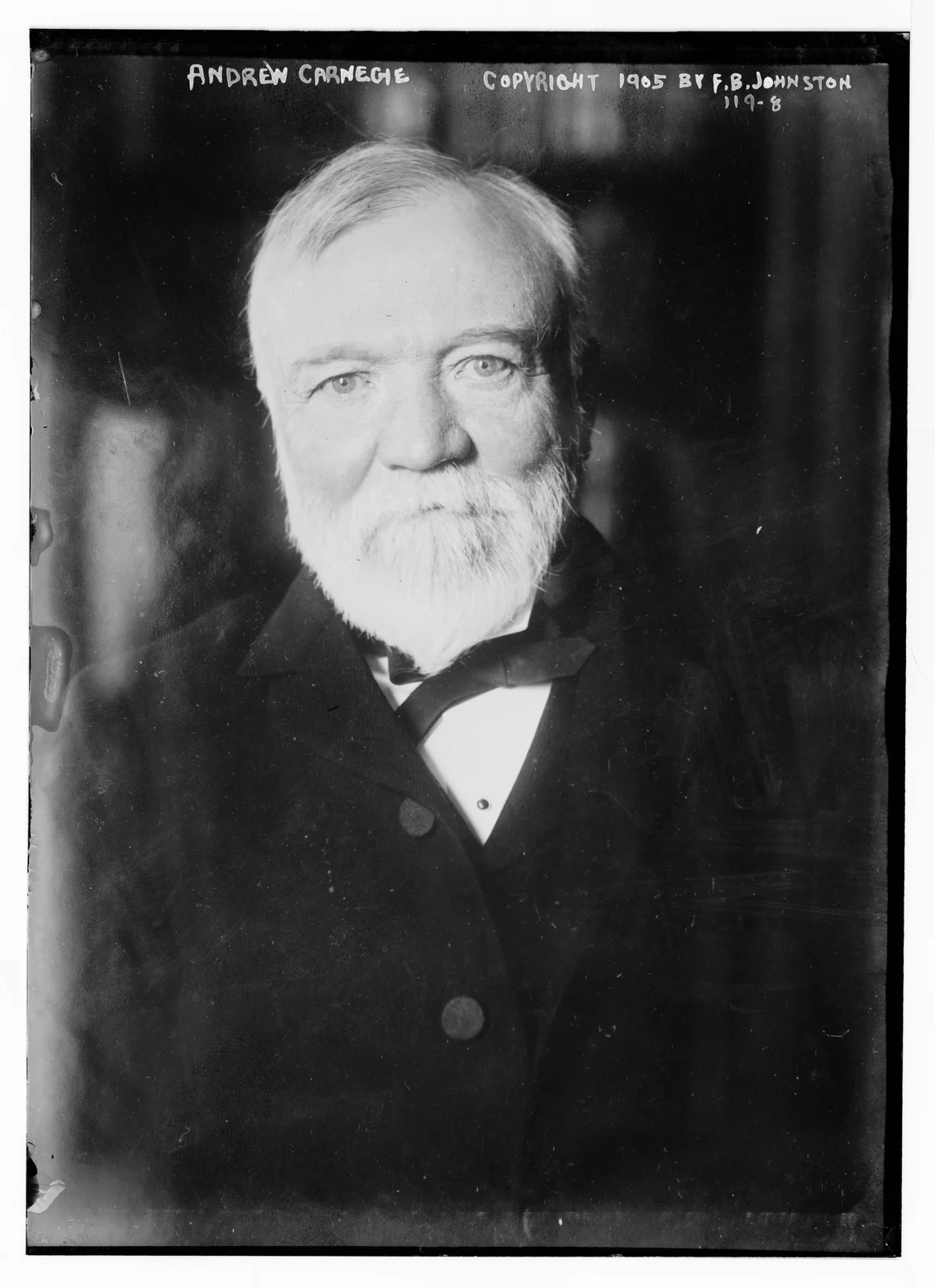
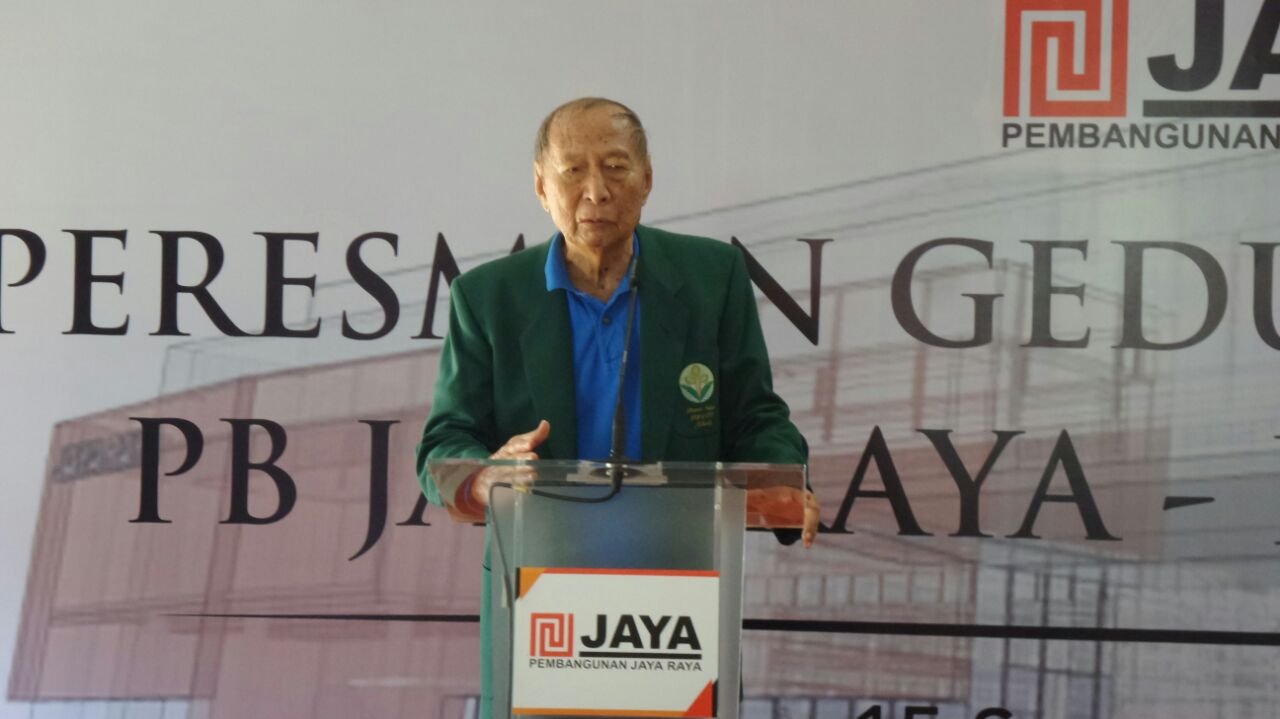
In this biography
Quick facts
- Born
- 1859
- Died
- 15 January 1941
- Birthplace
- Liverpool, United Kingdom
- Country
- United Kingdom
- Nationality
- Not independently established
- Known for
- Castrol sponsorship
- Company
- C. C. Wakefield & Co.
- Civic office
- Lord mayor, 1915–1916
Why this life matters
The career makes visible the commercial use of record sponsorship: a celebrated achievement could support a campaign without demonstrating that one product caused the result.
Timeline
Key moments
Enterprise
Established his own oil firm.
Civic office
Lord mayor of London.
Sponsorship
Golden Arrow record used in publicity.
Death
Died on 15 January.
Learning the oil trade
Born in Liverpool, Wakefield entered oil broking rather than his father’s civil-service occupation. Work for an American petroleum company took him abroad. He founded C. C. Wakefield & Co. in 1899, initially dealing in lubricants and appliances.
The enterprise began with prior commercial experience and contacts. The later brand story should not obscure the earlier trade in which he learned to work.
Sources for this section: [1]
Publicity through sponsorship
Castrol became closely associated with motor racing. Wakefield supported Henry Segrave’s Golden Arrow and financed a speed trophy.
Sponsorship joined the cost of an attempt to the opportunity to publicise its result. It did not make the sponsor the vehicle’s designer or turn an advertisement into a controlled comparison of lubricants.
Sources for this section: [2]
Civic office and philanthropy
He served as lord mayor of London in 1915–1916, promoted wartime charities and later supported hospitals and other institutions.
The Wakefield Trust supported charitable work in East London.
These activities brought a businessman into civic and public life. They should be described as work with institutions, rather than converted into an unsupported account of universal popularity or commercial virtue.
Reading the promotional record today
The Richard Roberts Archive preserves company advertising proofs in two guard books. Their missing years create a dating problem even when day and publication are supplied.
Wakefield remained active in business until shortly before his death in January 1941.
The surviving publicity is valuable because it shows how the enterprise addressed its audience. It requires a different reading from a technical test, a ledger or the personal career of the founder.
Quick answers
Frequently asked questions about Charles Cheers Wakefield
- Does sponsorship establish sole technical credit?
- No. Funding, making and measuring are different roles.
Keep exploring
Lives connected to this story
- Kerry Packer
Compare another working life through its own records.
- Genichi Kawakami
Continue with another enterprise and a different operational question.
Sources and further reading
Explore the evidence
These references support the biography and offer further reading. Official records, first-person accounts and independent reporting provide different perspectives; image records document attribution and licensing.
- 1. Science Museum GroupCharles Cheers Wakefield, 1859–1941
Civic offices follow the detailed museum biography, not a compressed promotional chronology.
- 2. National Motor MuseumWakefield and Castrol
- 3. Richard Roberts Archive / Peter MossCastrol and record breaking
One linked proof was privately inspected; the complete guard books were not read.