
The short answer
The arrival of Tokyo Bay on 5 August 1973 marks a starting point for Port Klang’s container operations. The ship could transfer standardised boxes at the quay. To make that process useful, the port also needed places to handle and store the boxes and ways to move them onward.
One shipment, three different places
Why a container terminal extends beyond the ship
A standard box can move through each stage without unpacking its contents.
| Stage | Task | What changed |
|---|---|---|
| Ship and berth | Move the box between ship and shore | Equipment handles a standard unit. |
| Terminal yard | Store and organise boxes between movements | The yard becomes part of the transfer rather than a place to sort every package. |
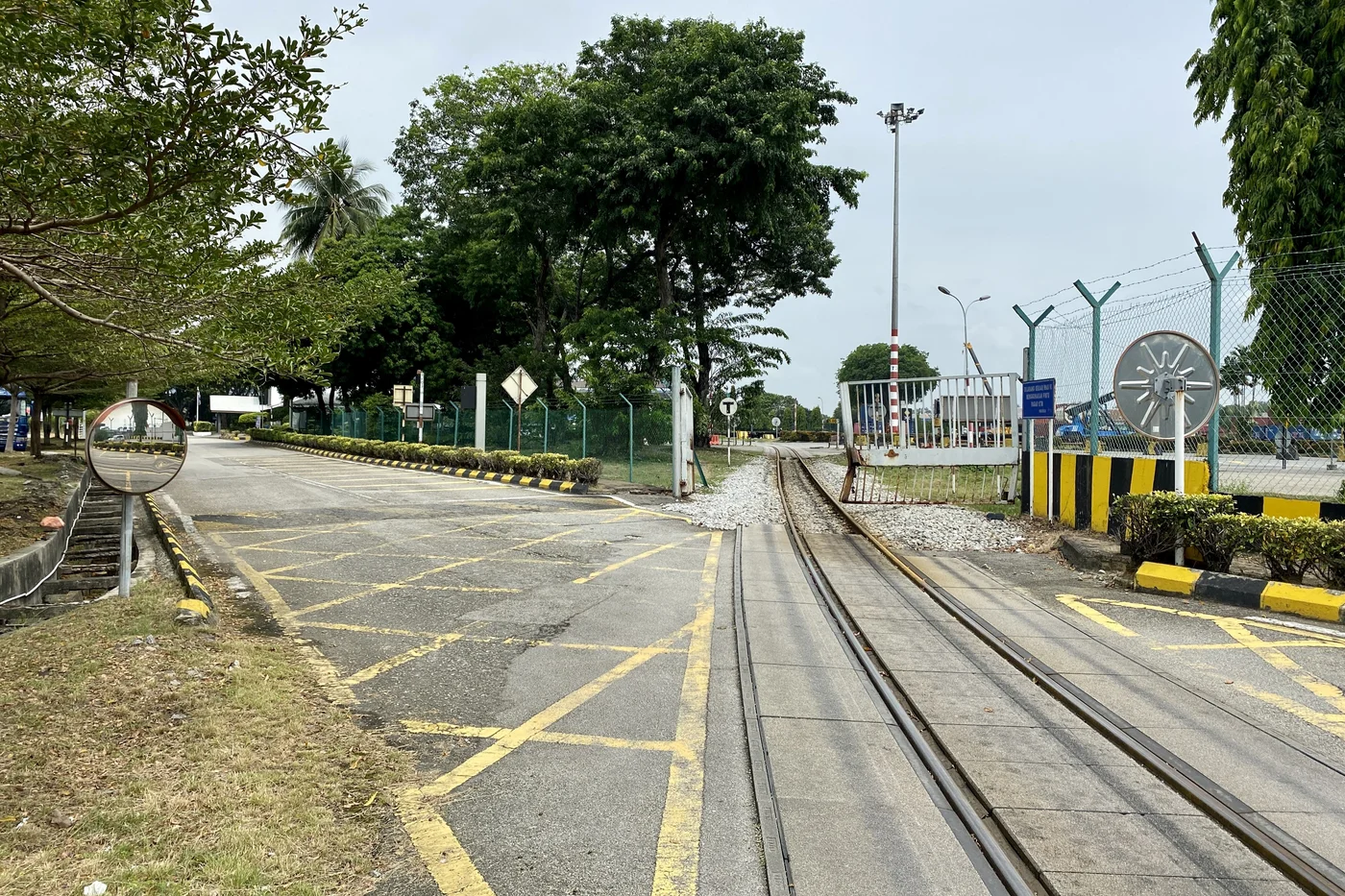
| Inland movement | Carry goods away by road or rail | Separates the vessel call from delivery to the consignee. |
Chronology
A timeline of the turning points
The port prepares for container shipping
Handling boxes requires changes at the quay and beyond it.
Tokyo Bay arrives
The call supplies a dated milestone for full container operations.
Port and inland handling continue to develop
Records trace the changes in work and the handling system.
Why a first ship matters in a port history
The port operator and a contemporary newspaper both identify Tokyo Bay as the key early call. The date records an operating event. The preparation needed to receive the vessel came earlier, and wider adoption took longer.
A record of a vessel call can establish when ship and berth could work together. Records about yards, road or rail connections make it possible to see how the rest of the shipping chain adapted.
How the box affected work on the shore
Containerisation shifts some cargo handling from individual packages to a larger standard unit. The Port Klang institutional history discusses changes to employment and work organisation as the technology was introduced. Labour arrangements are part of explaining how the port could use new equipment effectively.
Sources for this section: [2]
What TEU helps compare
A TEU is a twenty-foot equivalent unit. It provides a common measure of container capacity when boxes have different lengths. A figure for one ship’s capacity differs from annual terminal throughput. The former describes what can be carried per vessel, the latter the amount handled over time.
Continue the chronology
Related history guides
How Port Klang Went from Railway Port to Port Authority
Read how Port Klang left railway administration and later transferred operation of the container terminal.
Read the timeline1993–2009How Dagang Net Became Malaysia’s National Single Window
Trace the later customs interface at Port Klang and Dagang Net’s national single window appointment.
Read the timeline1995–2000How Tanjung Pelepas Entered the Transshipment Business
Follow how a second Malaysian port assembled shipping connections for transshipment.
Read the timeline1972How Tanjong Pagar Became Singapore’s First Container Terminal
Compare the handling changes at another early Southeast Asian container terminal.
Read the timelineConnected biographies
People connected to this history
Quick answers
Common questions
- Which ship made the pioneering container call at Port Klang?
- Tokyo Bay arrived on 5 August 1973.
- Did the first call mark the start of every part of containerisation?
- It marks a major operating milestone. Equipment, labour and inland logistics developed across a longer period.
Primary and institutional sources
How this history was checked
Dates, legal milestones and historical claims are checked against the official and institutional records below. This article was reviewed on 19 November 2026.