
The short answer
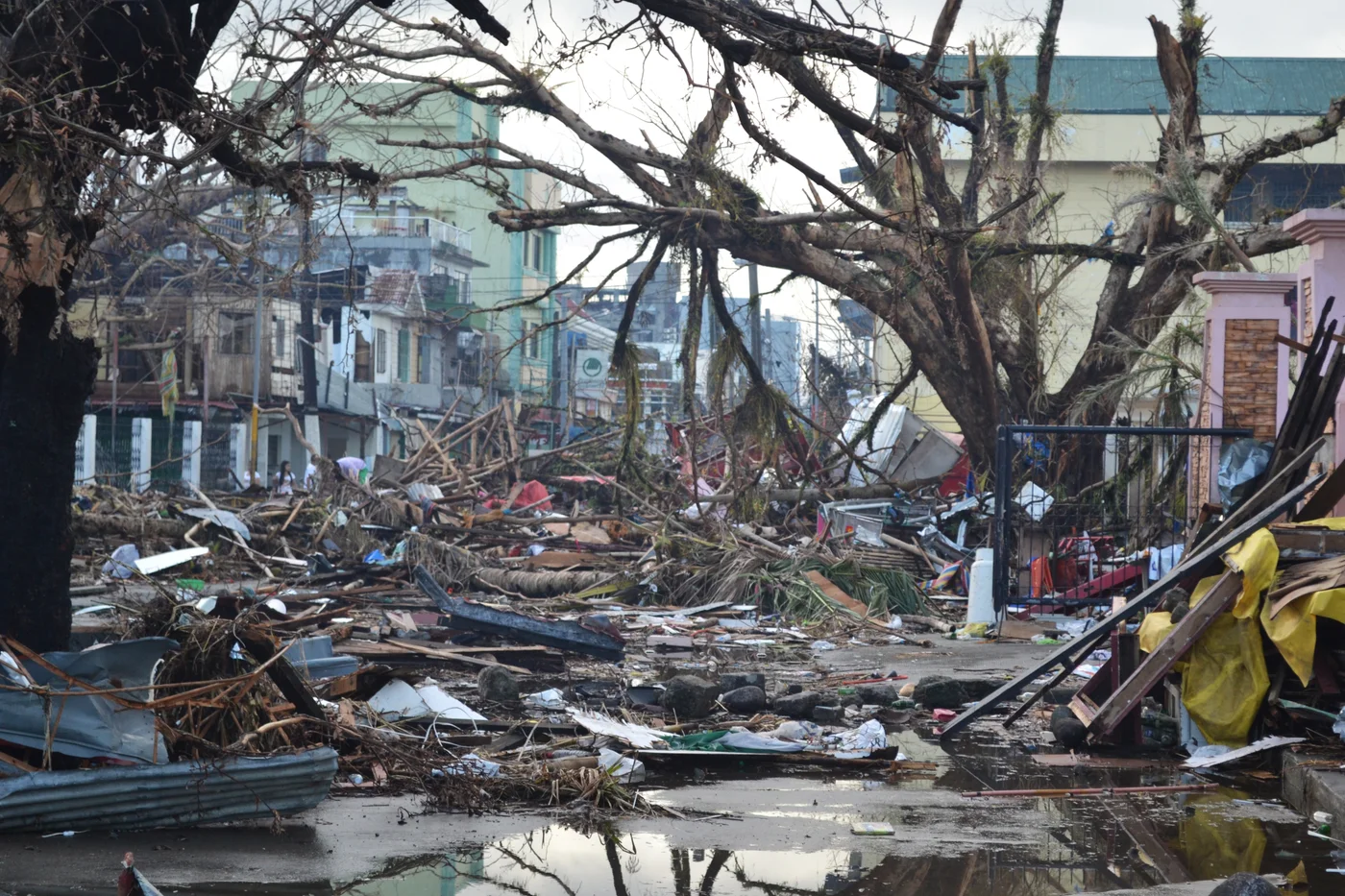
The Philippine Price Act distinguished an automatic price freeze under specified conditions from a separately mandated price ceiling. After Typhoon Yolanda, President Benigno Aquino III declared a state of national calamity on 11 November 2013. The proclamation referred to price control in affected areas, giving a concrete setting for reading the statute.
Legal trigger and amount
Two mechanisms under the Price Act
The statute distinguishes how a control starts and how its price is determined.
| Mechanism | Basis | Price question |
|---|---|---|
| Automatic price control | A specified condition applies in an area | Are covered basic necessities held at prevailing prices under the provision? |
| Mandated price ceiling | A presidential ceiling can be set using the statutory process | Has a ceiling been prescribed for the covered commodity? |
| Calamity proclamation | A government declaration identifies the emergency | Read it alongside the Price Act and applicable implementation records. |
Chronology
A timeline of the turning points
Congress enacts the Price Act
It creates different controls for covered goods under different circumstances.
Republic Act 10623 amends the framework
The later Act revises provisions including the lists and treatment of affected commodities.
Proclamation 682 is issued
The government declares a national calamity following Typhoon Yolanda.
Why the two controls work differently
Section 6 connects automatic control of basic necessities to certain conditions, including a declaration of calamity. It generally starts from prevailing prices. The law also contains a separate route for prescribing a price ceiling under section 7. The commodity and scope can differ, so a reader needs the applicable statute or order to identify the controlled amount.
The statute limits the period for automatic control and allows it to be lifted earlier. The duration of a declaration and the duration of its price-control consequences therefore require separate checks.
What the Yolanda proclamation establishes
The presidency’s proclamation of 11 November 2013 declares a state of national calamity and explains that the declaration would help control the prices of basic goods in affected areas. Its text establishes the declaration, the date and the relationship to relief measures. It does not list a numerical retail price for every product.
The implementing rules and applicable price information are the next records to consult for a particular good. That division explains why the proclamation and a local price list answer different historical questions.
Why the market context matters
A disruption in transport or supply can make it harder for buyers to obtain basic goods. The proclamation treats price control as one response alongside relief and rehabilitation. Distinguishing the legal trigger, commodity and affected area makes it possible to compare the response with another emergency without assuming the same prices applied everywhere.
Continue the chronology
Related history guides
Why Typhoon Haiyan’s Storm Surge Varied Around Leyte
See how field surveys documented the physical effects of the typhoon that prompted the proclamation.
Read the timeline2011How Malaysia Separated Price Controls from Profiteering
Compare Malaysia’s distinct statutory tools for price orders and profiteering.
Read the timeline2016Why the Philippines Passed the No Shortchanging Act
Read how a separate Philippine law addressed exact cash change at checkout.
Read the timelineConnected biographies
People connected to this history

1960—2021
Benigno Aquino III
President of the Philippines, 2010–2016The Philippine president whose Straight Path programme produced major legislation while budget disputes, national crises and maritime arbitration shaped his record.Read biographyQuick answers
Common questions
- What triggered the 2013 legal response discussed here?
- President Benigno Aquino III declared a state of national calamity following Typhoon Yolanda on 11 November 2013.
- What is the difference between a freeze and a separate ceiling?
- The automatic provision uses prevailing prices for covered necessities, while a mandated ceiling can specify a price through the statutory process.
Primary and institutional sources
How this history was checked
Dates, legal milestones and historical claims are checked against the official and institutional records below. This article was reviewed on 19 November 2026.
- Congress of the PhilippinesRepublic Act 7581: the Price Act
- Congress of the PhilippinesRepublic Act 10623, 2013 amendments to the Price Act
- Office of the President of the PhilippinesProclamation 682 of 11 November 2013
- Supreme Court of the Philippines E-LibraryJoint Administrative Order 13-1 amending the implementing rules of the Price Act