
The short answer
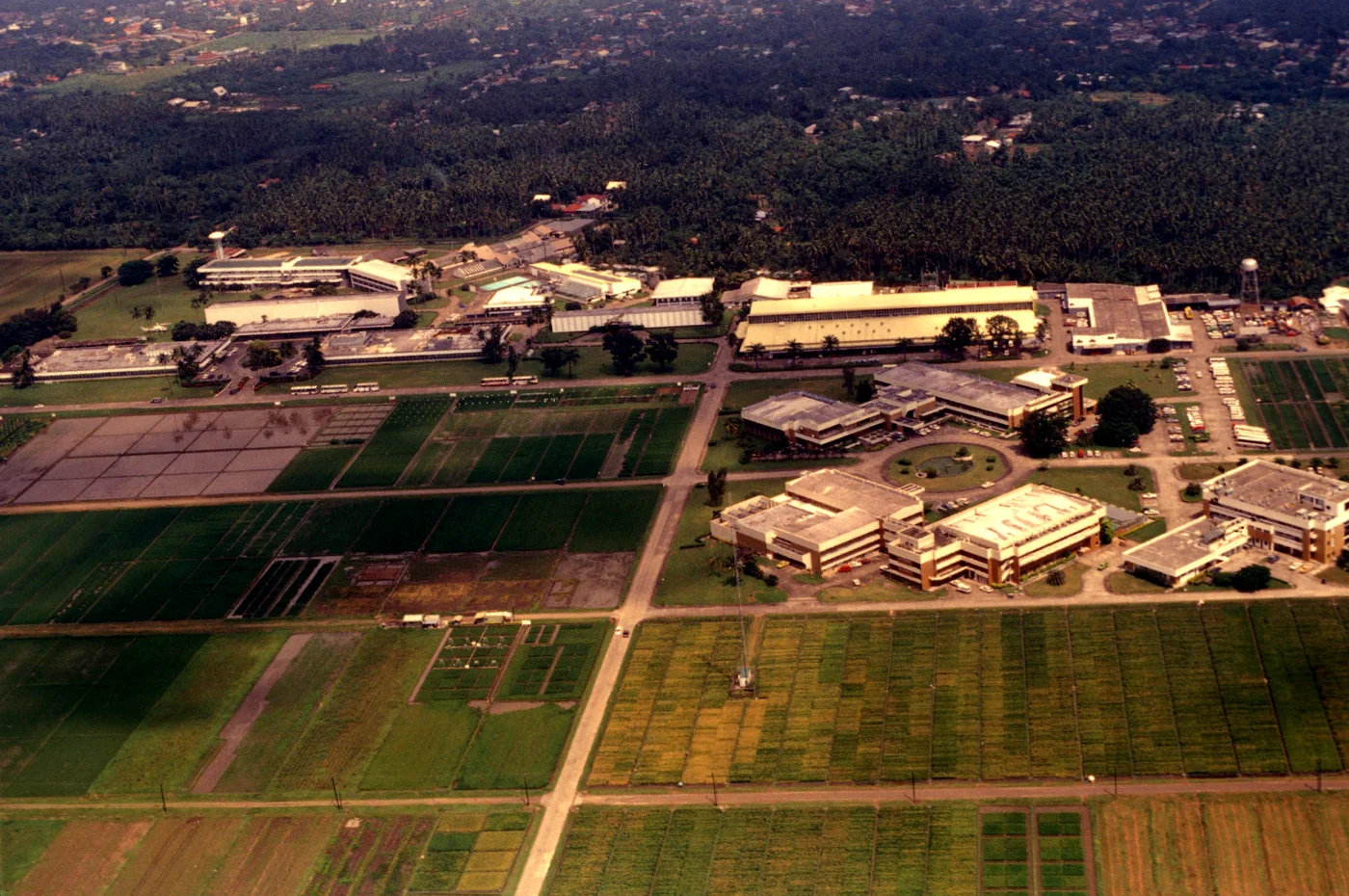
IR8 became the International Rice Research Institute’s first named rice variety in November 1966. Its short stature helped it stay upright under conditions in which tall plants could topple before harvest. Getting from a promising plant to a named variety required breeding, yield measurements, cooperative trials and enough seed to share.
From candidate to release
What each stage of the research established
Several kinds of evidence contributed to the decision to release IR8.
| Stage | People or partners | What they contributed |
|---|---|---|
| Breeding and selection | Peter Jennings, Henry Beachell and the IRRI team | A candidate combining short stature with promising performance |
| Agronomy | S. K. De Datta and collaborators | Measurements of yield under recorded trial conditions |
| Testing in other environments | Cooperating research stations | Evidence about how the line performed at locations outside the initial trials |
| Seed distribution | IRRI and national partners | Seed for larger evaluations and for work beyond Los Baños |
Chronology
A timeline of the turning points
IRRI breeders begin the cross programme
One cross pairs Indonesia’s tall Peta with Taiwan’s shorter Dee-geo-woo-gen.
Henry Beachell identifies a promising selection
The breeding history records the identifier IR8-288-3.
Cooperating stations run early trials
The selection is tested in the Philippines and several other Asian locations.
IRRI tests yield potential
S. K. De Datta’s agronomy work contributes to trials at Los Baños.
The line becomes IR8
The institute dates the release to 28 November and its annual report records press notices sent on 29 November.
Why shorter plants mattered in the field
The institute’s history names Peta and Dee-geo-woo-gen as the parents of the cross from which IR8 came. Peta was a taller variety from Indonesia. Dee-geo-woo-gen was a shorter variety from Taiwan. Jennings’s programme and Beachell’s later selection were successive steps in the work.
The relevant field problem was lodging, when stems lean or fall before harvest. A shorter plant could stay upright more readily, allowing breeders and agronomists to test whether a promising line could turn improved growing conditions into more grain.
How to read the yield figures
The 1966 annual report gives 10,130 kilograms per hectare for IR8 in a dry-season IRRI experiment. The unit refers to the yield measured in that experiment. The same report describes results in different seasons and locations, which varied. The trial figure establishes what the line could achieve under recorded conditions.
The report also names areas for further improvement, including disease resistance and grain quality. Those observations matter because yield at a research station is only one part of a farmer’s choice. A variety in use also has to perform across seasons and meet local requirements for the grain.
Why distribution began before the formal announcement
The 1966 report says IRRI produced more than 74 metric tons of seed in July, with over 60 tons planted in the Philippines and the rest sent abroad. Those shipments were part of testing and multiplication while the material was still known by its selection number.
IRRI’s retrospective chronology dates the formal release to 28 November. The annual report records the press notices mailed the following day. The two records describe different acts. By the time the public name appeared, research stations and growers already had seed to evaluate in their own settings.
Continue the chronology
Related history guides
Connected biographies
The Philippine president whose June 1966 visit appears in IRRI’s chronology

1917—1989
Ferdinand Marcos
President of the Philippines, 1965–1986A president who imposed martial law, dismantled democratic checks and ruled for two decades before the 1986 People Power Revolution forced him from office.Read biographyQuick answers
Common questions
- What is IR8 rice?
- IR8 is a shorter-statured rice variety developed at the International Rice Research Institute and released in November 1966.
- Who developed IR8?
- It was a collaborative effort. Peter Jennings worked on the crossing programme, Henry Beachell made the selection and S. K. De Datta helped test yield potential. Other researchers and cooperating stations contributed trials.
- Does IR8 yield ten tonnes per hectare on every farm?
- The figure refers to the upper range of early experimental results. The original report records variation by location, season and conditions.
Primary and institutional sources
How this history was checked
Dates, legal milestones and historical claims are checked against the official and institutional records below. This article was reviewed on 19 November 2026.
- IRRI Rice TodayChanging the World with Seeds, chronology of the IR8 breeding programme
- International Rice Research Institute1966 annual report excerpts on trials, experimental yields and naming
- International Rice Research InstituteInternational Rice Research: 25 Years of Partnership, on varietal improvement
- IRRI NewsThe 2016 anniversary and retrospective account of seed sharing
- International Rice Research InstituteIRRI at 60, a chronology of the institute and the first variety