
The short answer
How does an animated musical biography organise engineering history and satire?
Read the evidence
Sources, interpretation and production roles
The records answer different questions about this work. The final exercise is an original teaching model.
| Record or question | Supported reading | Boundary or contrast |
|---|---|---|
| BFI form description | Great is an animated comic-opera biography. | Historical material is selected and reshaped for performance. |
| UCA archive exhibition | Places the work within a collaborative studio and further ambitions. | An exhibition notice does not allocate every scene’s authorship. |
| Academy 1976 record | Establishes recognition for a 1975 film. | Ceremony date is different from production or release date. |
An engineer becomes the subject of comic opera
Great (1975) is Bob Godfrey’s animated biography of Isambard Kingdom Brunel. The BFI describes its form as comic opera, combining songs, humour and animated spectacle. The distinction between subject and form is central. Brunel’s engineering career supplies historical material, but a musical cartoon must select events, compress duration and decide how to turn explanation into performance. A song can make a repeated problem memorable; caricature can make an institutional attitude visible. Neither operation is a neutral substitute for a chronological engineering record. The film’s historical interest includes the way a 1970s animation production chose to organise an earlier Victorian life.
A biography’s selection is part of its argument
A screen biography cannot reproduce every contract, drawing, financial arrangement or construction task. Once a film adopts a comic musical form, its transitions and emphasis become especially conspicuous. The relevant reading question is therefore not only whether a named event occurred, but what work that event does within the film’s structure. Does it introduce ambition, show a recurring obstacle or make a change of scale imaginable? This is an original analytical framework suggested by the documented form. It does not claim that every scene has been verified against engineering archives or that Godfrey’s humour provides a literal record of Brunel’s private thoughts.
Production history and public recognition answer other questions
UCA’s archive exhibition places Great within a collaborative studio practice and beside unrealised projects, including further animated musicals. That context helps explain ambition as a production problem: an idea needs artists, time and a route to an audience. The BFI notes that Great’s length made cinema exhibition difficult. Its Oscar belongs to the 1976 ceremony honouring 1975 films, not a separate 1975 ceremony win. Award records establish recognition; archival material can explain how the work was developed. Neither alone measures how widely audiences saw it or identifies the author of every joke, drawing or musical passage.
An original compression exercise
Choose an invented engineer with four projects: a first experiment, a failed bridge, a successful tunnel and a final ship. Design two outlines: one gives every project equal time, the other returns to a single recurring problem such as scale. A reference answer explains that the second creates an argument about the career, while the first prioritises coverage. Now mark which points would require factual documentation and which are formal choices about repetition or pacing. The exercise does not reproduce Great’s actual sequence. It shows why evaluating animated biography requires both a historical check and attention to artistic organisation, and why a memorable musical account can remain different from a complete reference chronology.
Continue the chronology
Related history guides
Biography context
Explore United Kingdom through connected lives
Connected biographies
People and related creative practices
1921–2013
Bob Godfrey
Animation director, producer and performerBob Godfrey moved from advertising and studio work to a varied animation career that included television comedy, independent shorts and the musical biographyGreat.Read biography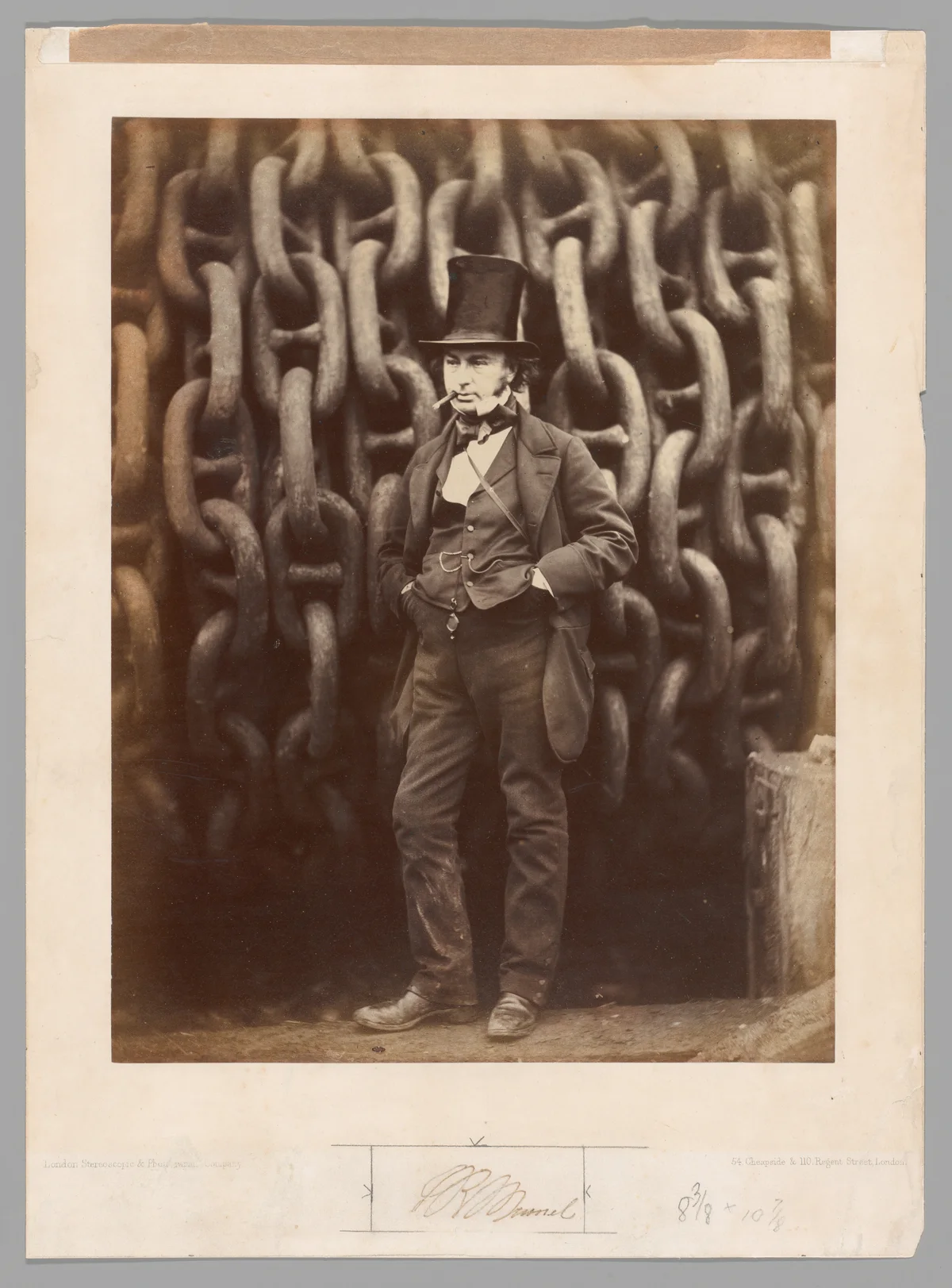
1806–1859
Isambard Kingdom Brunel
Consulting civil engineer for railway, bridge, dock and steamship enterprisesIsambard Kingdom Brunel ran an engineering practice serving railway and maritime companies. As the Great Western Railway’s engineer, he helped connect London and Bristol in 1841. His ships and structures combined technical ambition with financial risk and depended on investors, contractors and workers.Read biography1912–1995
John Halas
Animation director, producer and studio co-founderJohn Halas moved from Hungarian animation and design to a British studio partnership with Joy Batchelor that joined commercial production to artistic ambition.Read biographyQuick answers
Common questions
- Is Great a conventional documentary chronology?
- Its documented form is an animated comic-opera biography, which selects and reshapes historical material.
- Why discuss the archive?
- Production papers can reveal collaborative development that a finished film’s recognisable style may conceal.
Primary and institutional sources
How this history was checked
Sources include production records, institutional collections and the specifically identified passages discussed here. Interpretations and teaching models are distinguished from credits and publication facts. This article was reviewed on 7 November 2026.