
1920—1988
Collection · Vietnam · Culture
Painting · Literature · Film · MusicVietnamese culture
across generations.
Eleven creative lives connecting the old streets of Hanoi, wartime memory, books, concert halls, cinema and global digital audiences.
Why these lives
Vietnamese culture is larger than a single canon or medium. This collection brings modern masters into conversation with contemporary performers and storytellers, showing how local memory moves across generations, languages and platforms.
- 01
Memory in paint and song
Bùi Xuân Phái made Hanoi’s old streets a visual language, while Trịnh Công Sơn’s songs turned love, war and impermanence into shared memory.
- 02
Literature and spiritual thought
Nguyễn Nhật Ánh, Nguyễn Phan Quế Mai and Thích Nhất Hạnh carry Vietnamese childhood, war memory and mindfulness across generations and languages.
- 03
Music across stages and platforms
Đặng Thái Sơn, Mỹ Tâm, Hà Anh Tuấn and Sơn Tùng M-TP connect the concert hall with arena pop, online performance and international audiences.
- 04
Screen stories and representation
Ngô Thanh Vân built film careers across production and performance, while H’Hen Niê used a global pageant platform to widen ideas of Vietnamese beauty and identity.
Eleven sourced biographies
Meet the artists, writers, performers and thinkers

1939—2001
Trịnh Công Sơn
Songwriter, poet and painterThe songwriter whose love songs and antiwar compositions became an enduring musical language for Vietnamese memory across division and reunification.Read biography
1958—
Đặng Thái Sơn
Classical pianist and professorThe Hanoi-born pianist whose 1980 Chopin Competition victory led to an international career as a performer, recording artist, juror and influential teacher.Read biography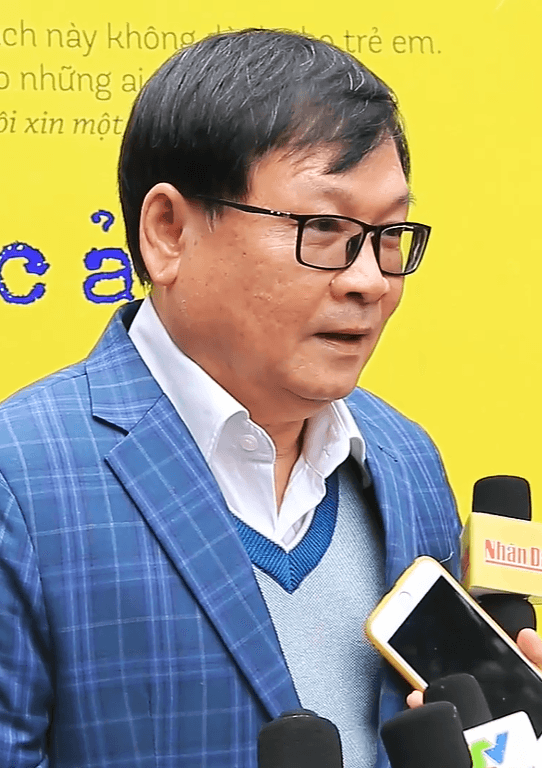
1955—
Nguyễn Nhật Ánh
Novelist and children’s authorThe author of more than 100 works whose novels and series turned Vietnamese childhood, friendship and first love into stories shared across generations.Read biography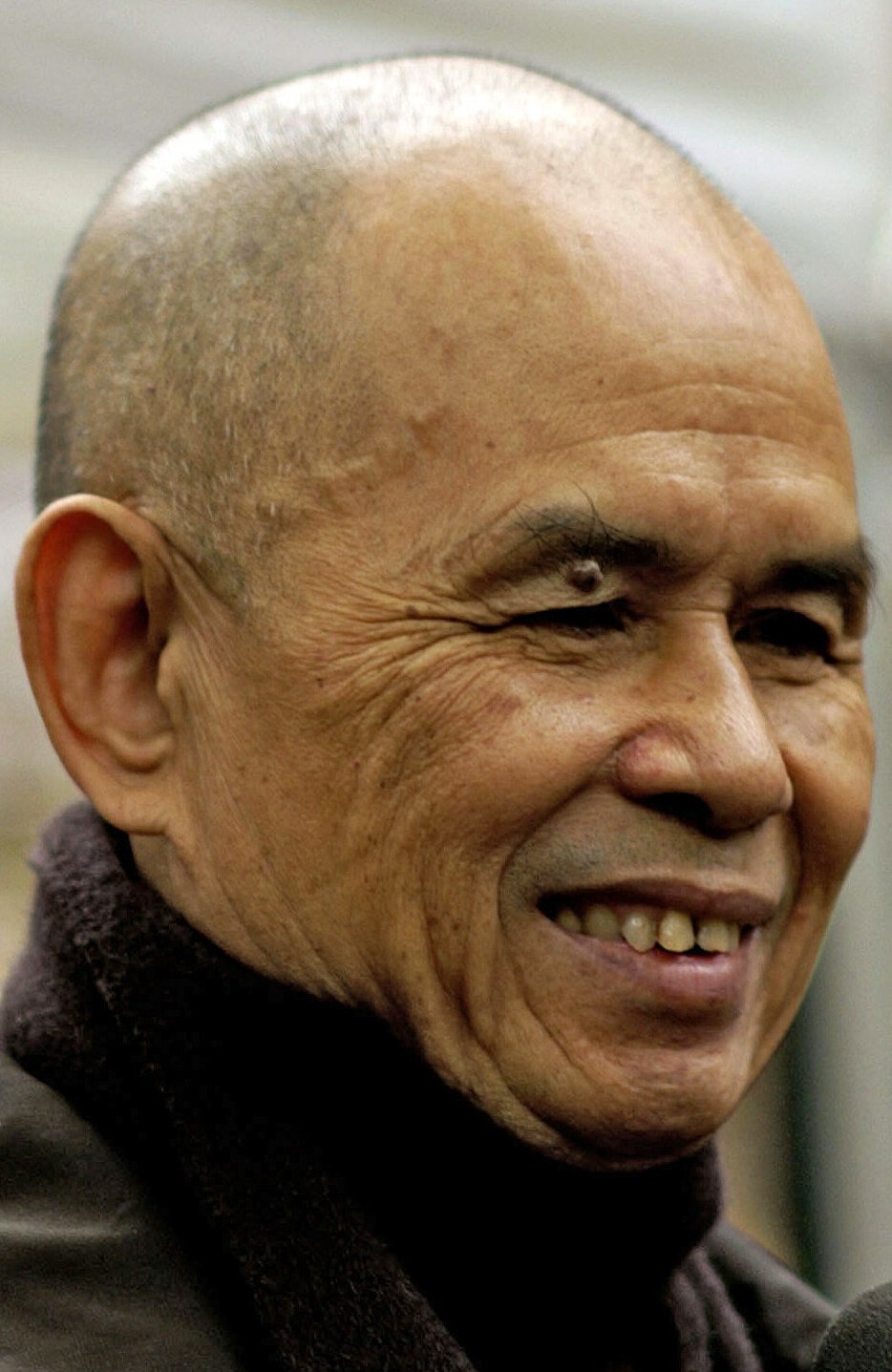
1926—2022
Thích Nhất Hạnh
Zen teacher, writer and peace activistThe Vietnamese Zen teacher and writer who developed engaged Buddhism and helped make mindfulness practice accessible to a worldwide audience.Read biography
1973—
Nguyễn Phan Quế Mai
Poet, novelist and translatorThe bilingual poet and novelist whose family-centred fiction brought twentieth-century Vietnamese history to a wide international readership.Read biography
1981—
Mỹ Tâm
Singer, songwriter and producerThe singer-songwriter whose powerful ballads, self-produced albums and large live shows have sustained one of Vietnamese pop’s longest leading careers.Read biography
1984—
Hà Anh Tuấn
Singer, producer and concert organiserThe singer who moved from a national television breakthrough to carefully produced concerts, digital performance series and environmental advocacy.Read biography
1994—
Sơn Tùng M-TP
Singer, songwriter and producerThe singer-songwriter whose online releases, visual branding and fan community made him one of the most visible figures in contemporary Vietnamese pop.Read biography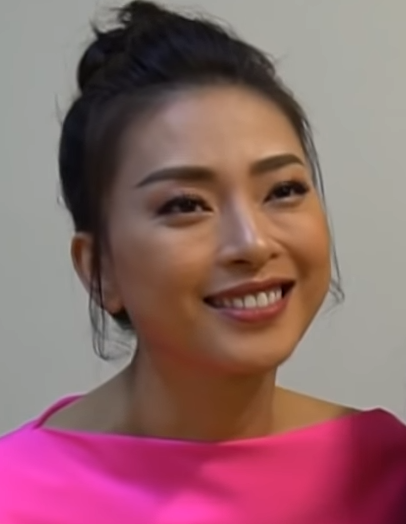
1979—
Ngô Thanh Vân
Actor, director and producerThe actor and producer known internationally as Veronica Ngo, whose action films created new space for women-led Vietnamese commercial cinema.Read biography
1992—
H’Hen Niê
Model, public advocate and Miss Universe Vietnam 2017The Êđê model and public advocate whose record-setting Miss Universe finish became a platform for girls’ education, literacy and community campaigns.Read biographyKeep exploring
Place culture inside a larger history
Continue through the complete Vietnam archive or compare creative lives across Southeast Asia.
Quick answers
Vietnamese culture biography FAQs
- Who wrote Vietnam’s best-known antiwar and peace songs?
- Trịnh Công Sơn wrote hundreds of songs about love, war, peace and human impermanence. His 1960s antiwar cycles became especially important to Vietnamese cultural memory.
- Who was the first Asian winner of the International Chopin Piano Competition?
- Vietnamese pianist Đặng Thái Sơn won first prize and the gold medal at the tenth International Chopin Piano Competition in Warsaw in 1980.
- Who painted Hanoi’s Old Quarter?
- Bùi Xuân Phái returned repeatedly to the streets and façades of Hanoi’s Old Quarter. The body of work became popularly known as “Phố Phái,” or “Phái Streets.”
- Who wrote Yellow Flowers on the Green Grass and Ticket to Childhood?
- Nguyễn Nhật Ánh wrote both novels. His stories about childhood, school and coming of age have reached Vietnamese readers across generations.
- Which creative fields does this collection cover?
- The collection connects painting, songwriting, classical and popular music, literature, mindfulness, cinema, production and public representation. Every biography includes sources and a review date.