In this biography
Quick facts
- Born
- Not established in the cited records
- Birthplace
- Not established in the cited records
- Country
- Kenya
- Nationality
- Not independently established
- Known for
- Rural Outreach Africa, AJFAND and the 2017 Africa Food Prize
- Academic training
- Washington State University and University of Nairobi
- Doctorate
- Food science and nutrition, Nairobi, 1983
- Public service
- Nominated MP, 2003–2007
- Award
- Joint Africa Food Prize recipient, 2017
Why this life matters
Her career connects knowledge about food with the organisations, training and policy through which that knowledge can reach communities.
Timeline
Key moments
Doctoral qualification
Her organisation records her Nairobi doctorate in food science and nutrition.
Rural outreach
Rural Outreach Africa dates its establishment to this year.
Parliamentary service
Served as a nominated member of Kenya’s ninth Parliament.
Africa Food Prize
Recognised alongside Maïmouna Sidibe Coulibaly.
Honorary qualification
AIMS records an honorary Doctor of Science from Aberdeen.
Nutrition scholarship and professional training
Ruth Khasaya Oniang’o studied at Washington State University and the University of Nairobi. Her organisation’s biography records a Nairobi doctorate in food science and nutrition in 1983. Her later career included university teaching, curriculum development and the supervision and examination of emerging researchers.
Her teaching and professional service extended beyond one university. Rural Outreach Africa records external examination and curriculum work involving institutions such as Sokoine University in Tanzania, Bunda College in Malawi and universities in Namibia and Zimbabwe. Institutional accounts identify her as a pioneering Kenyan nutrition professor, although their broader regional-first claims vary.
Connecting universities with rural livelihoods
Rural Outreach Africa dates its establishment to 1993 and connects its origins with action research into rural living conditions. Oniang’o sought to bring university knowledge into contact with the resources and experience of communities, particularly smallholder farmers and women.
The organisation’s remit extends beyond food production to livelihoods, education and other conditions affecting well-being. It links university expertise with the experience of smallholder farmers and community groups. Students and young researchers can take part in action research, proposal writing and manuscript work, connecting professional training with practical questions from rural life.
Publishing offered another route for knowledge
Oniang’o also founded and edited the African Journal of Food, Agriculture, Nutrition and Development, commonly known as AJFAND. This work addressed a different part of the research system: how African scientists could publish findings about agriculture, food and nutrition and make them available for discussion.
Mary Abukutsa-Onyango’s 2007 seed-support study provides an example of the journal’s subject matter. Its pages identify Rural Outreach Program as publisher. This connection does not make Oniang’o a coauthor of that paper; it distinguishes the work of a researcher from the publishing and organisational framework that helps research circulate.
Policy, public service and recognition
From 2003 to 2007 Oniang’o served as a nominated member of Kenya’s ninth Parliament. Her institutional biographies connect her public work with food security, professional nutrition training and women’s participation in policy. Parliamentary service expanded the settings in which she could argue for those priorities.
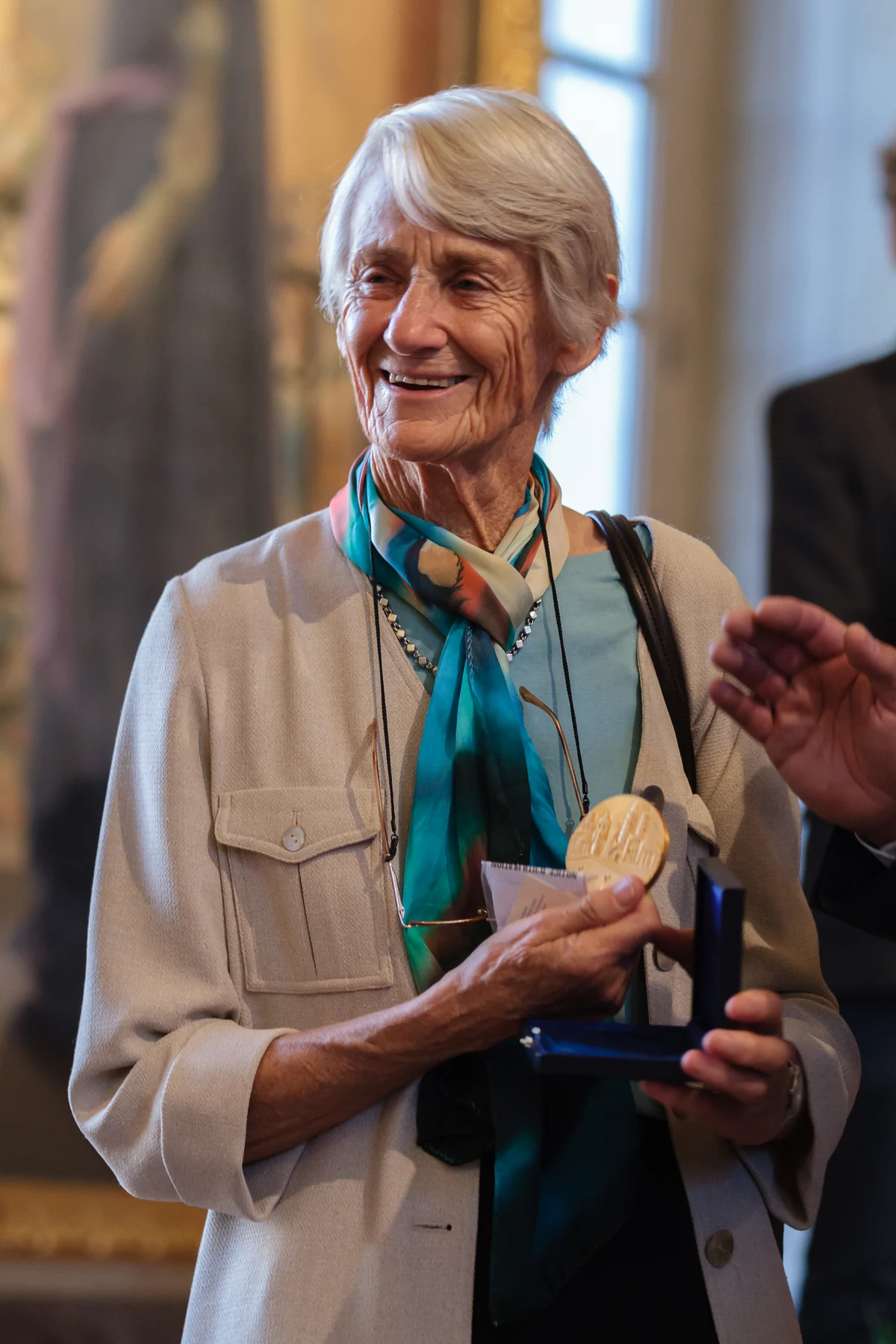
In 2017 she shared the Africa Food Prize with Maïmouna Sidibe Coulibaly, the Malian seed entrepreneur. The prize’s laureate record identifies Oniang’o’s academic, publishing and policy contribution, while separately recognising Coulibaly’s business work. Oniang’o’s career brings together research, teaching, editing and rural engagement; the roles reinforce one another without being the same achievement.
Quick answers
Frequently asked questions about Ruth Oniang’o
- What organisations did Ruth Oniang’o found?
- The cited institutional accounts identify Rural Outreach Africa and AJFAND, the African Journal of Food, Agriculture, Nutrition and Development.
- Who shared the 2017 Africa Food Prize with her?
- The official laureate record lists Maïmouna Sidibe Coulibaly of Mali alongside Ruth Oniang’o.
- Was she the author of Abukutsa-Onyango’s seed paper?
- No. Mary Abukutsa-Onyango is the paper’s listed author. Oniang’o’s relevant connection is through the journal and rural-outreach publishing organisation.
Keep exploring
Lives connected to this story
- Mary Abukutsa-Onyango
Follow a horticultural researcher’s original work published in AJFAND.
- Miriam Were
Compare nutrition outreach with community-health research and services.
- Njoki Ndung’u
Explore another Kenyan woman’s parliamentary career and documented legislative work.
Sources and further reading
Explore the evidence
These references support the biography and offer further reading. Official records, first-person accounts and independent reporting provide different perspectives; image records document attribution and licensing.
- 1. Rural Outreach AfricaRuth Oniang’o: brief biography
Selected academic, founding, parliamentary and award sections of the organisation’s biography were read. Its exact Washington State degree years and retrospective university-employment wording are not forced into this account.
- 2. AIMS RwandaProfessor Ruth Oniang’o: board profile
The institutional board biography was read in full. Its broad regional-first claim is qualified, and role descriptions are not assumed to establish every present-day incumbency.
- 3. Africa Food Prize2017 Africa Food Prize laureates: Ruth Oniang’o and Maïmouna Sidibe Coulibaly
Only the 2017 laureate entries were used; the two recipients’ contributions are kept distinct.
- 4. Mary Abukutsa-Onyango; African Journal of Food, Agriculture, Nutrition and Development 7(3)Seed production and support systems for African leafy vegetables in three communities in western Kenya (2007)
The actual 2007 paper identifies its author and publishing organisation. Editorial or organisational association does not establish coauthorship.