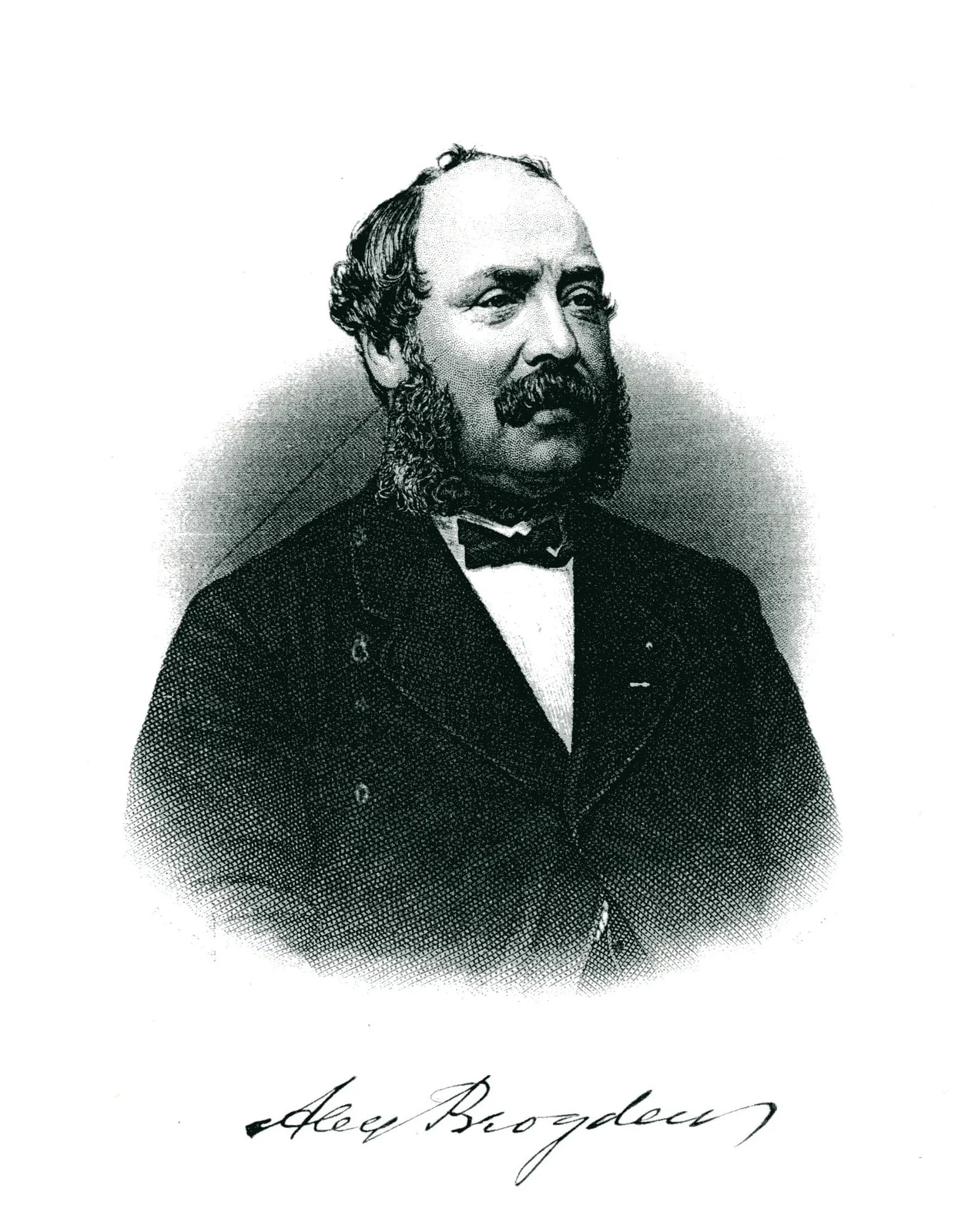
In this biography
Quick facts
- Born
- 10 February 1867
- Died
- 11 January 1957
- Birthplace
- Sydney, New South Wales
- Country
- Australia
- Nationality
- Not independently established
- Known for
- the legal and administrative foundations of the Australian Commonwealth
- Known for
- the legal and administrative foundations of the Australian Commonwealth
- Life
- 1867–1957
Why this life matters
The legal and administrative foundations of the Australian Commonwealth.
Timeline
Key moments
Federal argument
Published The Coming Commonwealth.
Commonwealth service
Became departmental secretary and parliamentary draftsman.
Solicitor-general
Took the solicitor-general role.
Retirement
Retired from the public service.
A lawyer joined the campaign for Federation
Robert Randolph Garran was born in Sydney on 10 February 1867. He became a lawyer and an active supporter of the movement to federate the Australian colonies. His 1897 book The Coming Commonwealth explained the developing federal proposal, and he worked with the drafting machinery of the later convention. These activities connected political argument with the detailed wording through which a constitution would operate. They preceded his public-service appointment and help explain why the new government sought his assistance at Federation.
The new Commonwealth needed an administration immediately
On 1 January 1901 Garran became secretary of the Attorney-General’s Department and parliamentary draftsman. He was the first and briefly the only Commonwealth public servant. That phrase describes an initial moment, not the permanent staffing of the federal government. The work rapidly involved legislation, departmental arrangements and advice to ministers. Together with John Quick, he also produced the Annotated Constitution of the Australian Commonwealth, a substantial commentary that belonged alongside, rather than in place of, the constitutional text itself.
Drafting translated broad authority into working rules
Garran’s professional contribution included a preference for clear legislative language and the development of the Commonwealth statute book. The 1902 Public Service Act illustrates the kind of administrative structure the new government required. It established defined responsibilities for records, inspection and reporting. Those statutory functions should not all be attributed personally to Garran, but they show the practical world in which drafting operated: a government needed rules for appointments and classification as well as a declaration that the Commonwealth existed.
A long career extended beyond the first administration
Garran became solicitor-general in 1916 and served successive governments before retiring in 1932. He married Hilda Robson in 1902 and remained active in Canberra’s cultural, academic and civic life after official retirement. He died there on 11 January 1957. His importance lies in the continuity between the federal movement’s legal ideas and the administration that made a national government work. Examining a particular statute’s records and reporting duties makes that contribution tangible, while preserving the distinction between a draftsman’s professional work, ministers’ decisions and Parliament’s legislative authority.
Quick answers
Frequently asked questions about Robert Garran
- Was the Public Service Act part of the events of 1 January 1901?
- The Act was assented to in May 1902. It regulated the continuing service after the Commonwealth’s establishment.
Keep exploring
Lives connected to this story
- Pherozeshah Mehta
Compare the Commonwealth’s administrative records with Bombay’s division of municipal roles.
Sources and further reading
Explore the evidence
These references support the biography and offer further reading. Official records, first-person accounts and independent reporting provide different perspectives; image records document attribution and licensing.