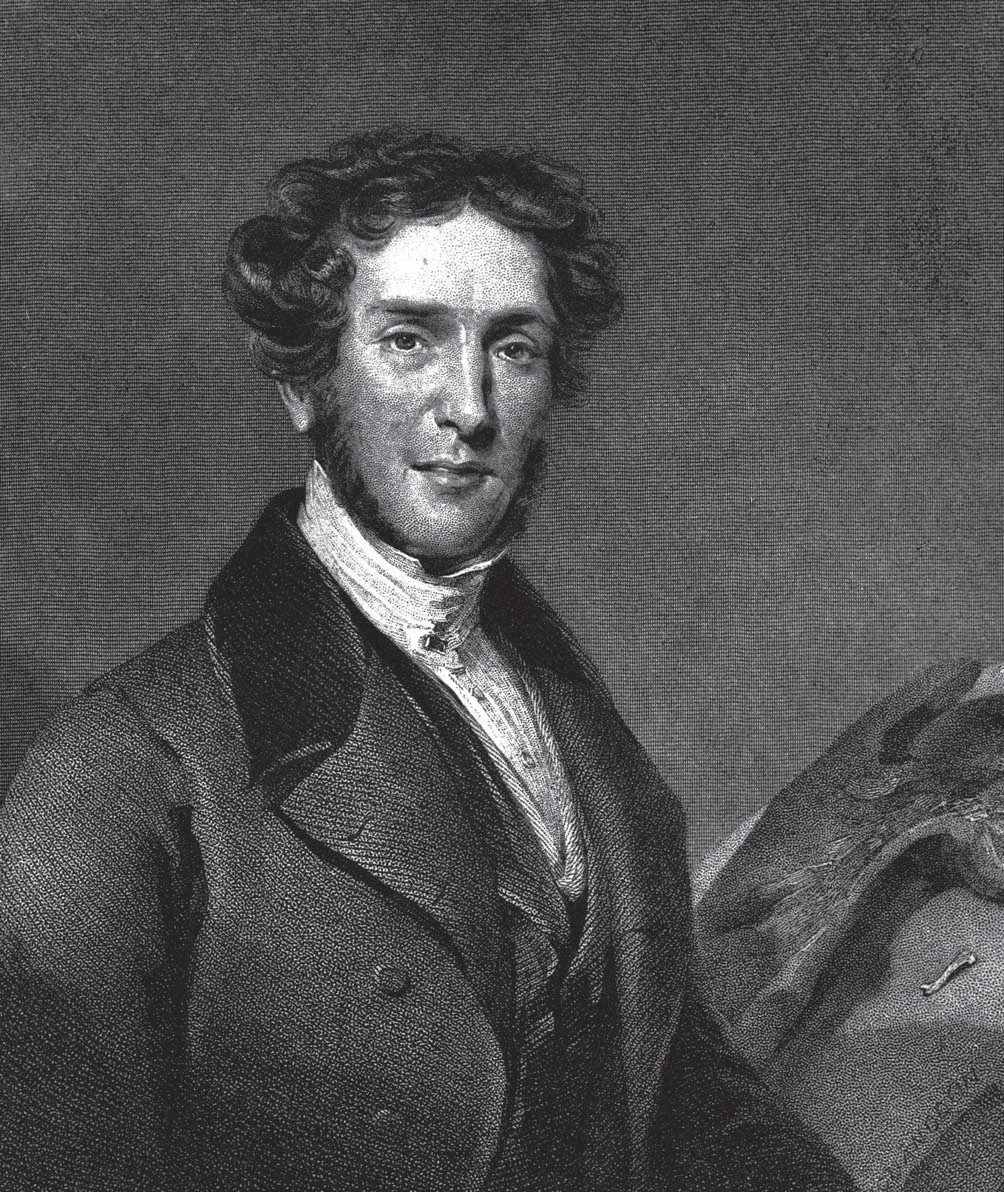
In this biography
Quick facts
- Born
- 1893
- Died
- 1988
- Birthplace
- Toowong, Brisbane, Australia
- Country
- South Africa
- Nationality
- Not independently established
- Known for
- The 1925 description of Australopithecus africanus
Why this life matters
His work shows how the age and preservation of a specimen can shape both an anatomical proposal and the response to it.
Timeline
Key moments
Anatomy at Wits
Dart moves to Johannesburg to take the anatomy chair.
Taung material reaches Dart
He prepares and studies the juvenile fossil.
Species description
Dart publishes the Australopithecus africanus account.
Anatomical training across institutions
Dart was born in Australia and studied science and medicine before working in anatomy. His training took him to University College London and to the United States on a fellowship. In 1923 he moved to Johannesburg to become professor of anatomy at the University of the Witwatersrand. The position put him in a developing medical school as well as a region where fossils were becoming available for comparative study.
Sources for this section: [1]
The fossil in the rock
Material from Taung reached Dart in 1924. The remains included a juvenile skull that needed to be extracted and examined. Its teeth and the region where the skull meets the spine contributed to his interpretation. Dart proposed Australopithecus africanus in a 1925 paper. Receiving and preparing the fossil, observing its anatomy and publishing a new name were distinct stages.
Disagreement about a juvenile
Some researchers questioned what a young individual could tell them about adult anatomy and ancestry. Later fossils from southern Africa added comparative material. One way to read that history is to separate observations available in 1925 from claims that gained support later. The early description mattered because it specified a specimen and a proposal that other researchers could examine, not because its reception was immediately settled.
Later hypotheses and their limits
Dart later argued that broken bones and other animal parts at Makapansgat had been shaped or used by early hominins. The hypothesis led to debate about the different processes capable of producing a bone accumulation. That later argument needs its own evidence and should not be taken as a consequence of the Taung discovery. His career includes both the enduring importance of a described fossil and interpretations that researchers continued to test.
Sources for this section: [1]
Quick answers
Frequently asked questions about Raymond Dart
- Did Dart publish the Taung paper in the same year the material reached him?
- The material reached him in 1924. His Nature account appeared in 1925.
Keep exploring
Lives connected to this story
- Robert Broom
Read about a supporter whose later discoveries supplied additional southern African material.
- Kamoya Kimeu
Compare another juvenile fossil with a separate history of discovery, preparation and age analysis.
Sources and further reading
Explore the evidence
These references support the biography and offer further reading. Official records, first-person accounts and independent reporting provide different perspectives; image records document attribution and licensing.
- 1. Australian Dictionary of BiographyRaymond Arthur Dart
The biography distinguishes the response to the Taung paper from Dart’s later claims about bone artifacts.
- 2. Smithsonian Human Origins ProgramTaung Child
- 3. Raymond Dart, Nature, 1925Australopithecus africanus: The Man-Ape of South Africa