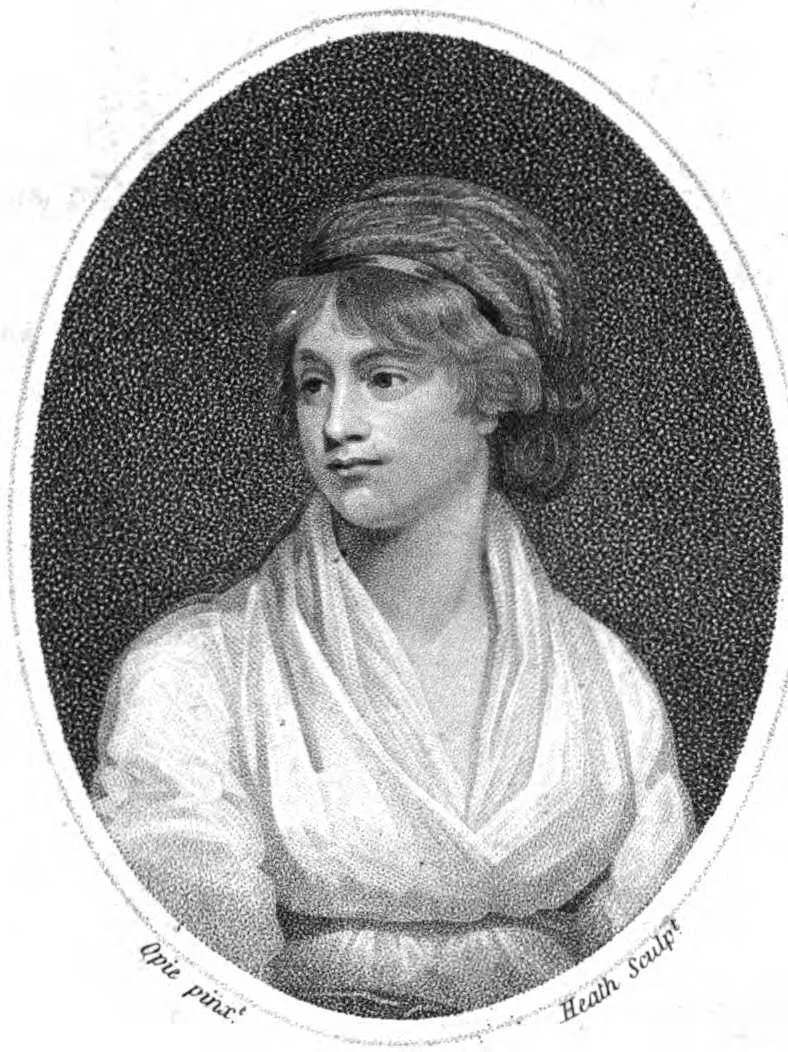
In this biography
Quick facts
- Born
- 1828
- Died
- 1906
- Birthplace
- Northumberland, England
- Country
- United Kingdom
- Nationality
- Not independently established
- Known for
- Campaign against the Contagious Diseases Acts
Why this life matters
Her campaign shows how local assistance, publishing and parliamentary advocacy could work together over many years.
Timeline
Key moments
Liverpool work
Works with women affected by poverty and exclusion.
Repeal organising
Helps lead the Ladies’ National Association.
Repeal
Parliament repeals the remaining statutes in the series.
A reforming household and local work
Born Josephine Grey in Northumberland, Butler grew up in a household where public reform and practical religion were familiar. She married George Butler in 1852. In Liverpool she began to work with women whose lives were shaped by poverty, institutional confinement or insecure employment. Those relationships gave her campaign a local foundation alongside the public meetings and publications for which she later became known.
Education and collective advocacy
Her early writing addressed education and employment for women. In 1869 she joined with Elizabeth Wolstenholme and others in organising the Ladies’ National Association after women were excluded from a parallel repeal organisation. Campaigning required more than personal testimony. The association needed correspondence, public meetings and a press through which people in different places could coordinate a sustained effort.
Sources for this section: [1]
An unequal system of examination
The Contagious Diseases Acts operated in specified areas associated with military and naval service. They subjected women suspected of prostitution to a system of examination and possible detention. Butler’s campaign treated this arrangement as an exercise of unequal authority, bringing the conditions of individual women into a dispute usually framed around military administration and public health.
The difference between stopping and repealing
Instructions in 1883 ended the use of police in enforcing compulsory examination under the system. Parliament formally repealed the Acts in 1886. Butler continued to address regulation in India, where a British domestic repeal did not determine the law. Her career invites readers to follow the scope of each change and the people affected, instead of assigning one date to the end of every related practice.
Quick answers
Frequently asked questions about Josephine Butler
- Did the 1886 repeal automatically apply to related measures in India?
- The British repeal addressed the named Acts. Butler continued campaigning over separate arrangements in India.
Keep exploring
Lives connected to this story
- Elizabeth Fry
Compare how another reformer brought the treatment of confined women into public debate.
- Millicent Fawcett
Read another nineteenth-century route from women’s organising to legislative change.
Sources and further reading
Explore the evidence
These references support the biography and offer further reading. Official records, first-person accounts and independent reporting provide different perspectives; image records document attribution and licensing.
- 1. Northumberland ArchivesThe work of Josephine Butler
- 2. English HeritageJosephine Butler: champion of women’s rights
- 3. UK Public General ActsContagious Diseases Act 1866
- 4. UK Parliament, Historic HansardContagious Diseases Acts: legislation, 4 May 1883
- 5. UK Public General ActsContagious Diseases Acts Repeal Act 1886