
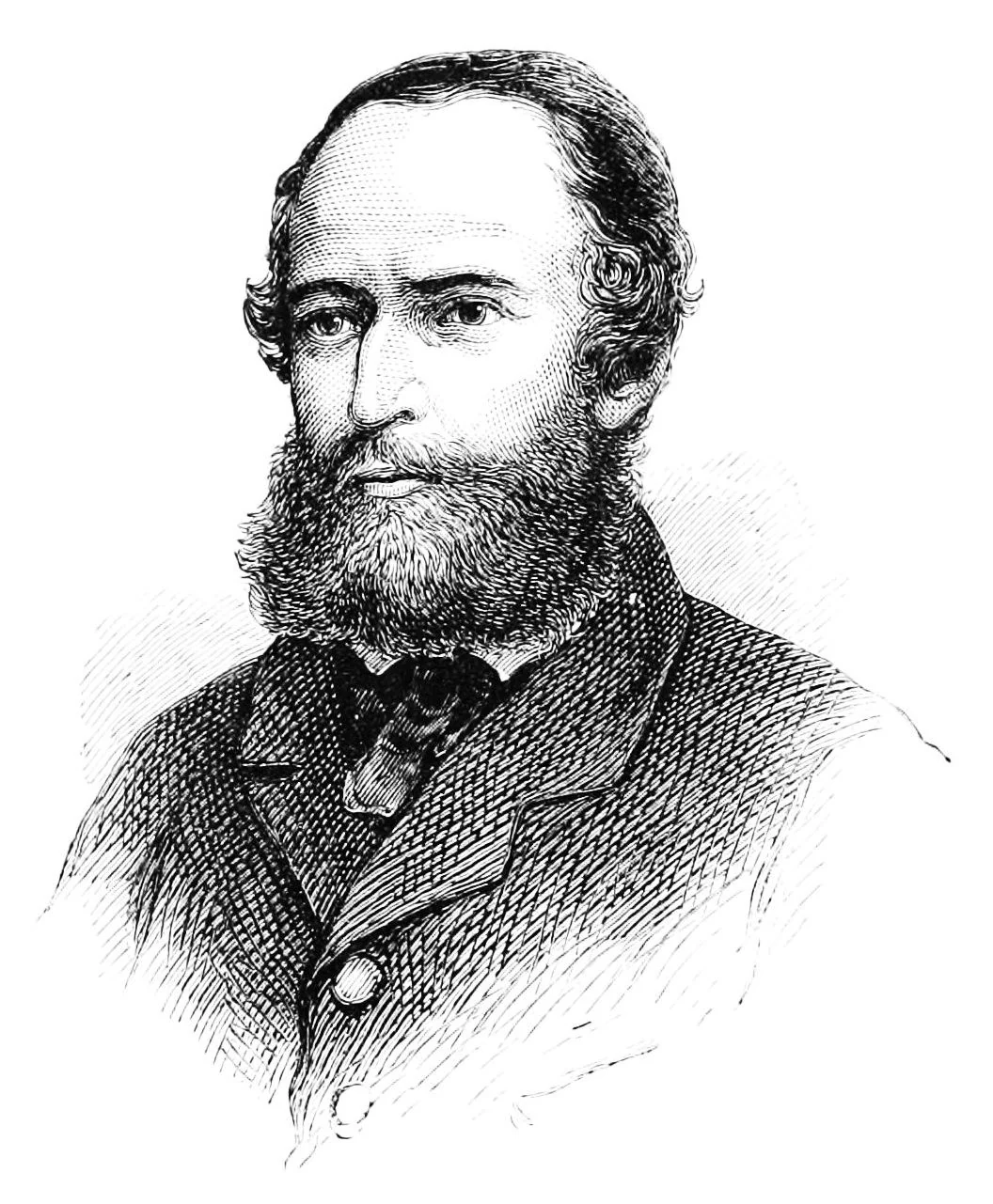
In this biography
Quick facts
- Born
- 8 March 1824
- Died
- 1869
- Birthplace
- Glasgow, Scotland
- Country
- United Kingdom
- Nationality
- Not independently established
- Known for
- commercial development of compound marine engines with Charles Randolph and other specialists
- Known for
- commercial development of compound marine engines with Charles Randolph and other specialists
- Life
- 1824–1869
Why this life matters
Commercial development of compound marine engines with Charles Randolph and other specialists.
Timeline
Key moments
Engineering knowledge developed within a working family
John Elder was born in Glasgow on 8 March 1824. His father, David Elder, worked in Robert Napier’s engineering establishment. After schooling at Glasgow High School, John served an apprenticeship at Napier’s works and spent time in English engine shops. He subsequently headed Napier’s drawing office. This background combined practical manufacture, drawing and exposure to marine machinery. His later work on steam engines grew within an existing network of engineers, rather than beginning with an isolated invention unrelated to earlier practice.
Sources for this section: [1]
A partnership moved from millwork toward marine engineering
In 1852 Elder joined the firm associated with Charles Randolph. Its earlier millwright business expanded into marine engines and, from 1860, shipbuilding. The partnership took out a series of patents addressing different engine and boiler arrangements. Rankine’s memoir identifies the joint Randolph–Elder patent of January 1853 and later specifications held jointly or individually. That distinction matters because a company name can conceal changing technical contributions. The successful equipment emerged through revisions, manufacture and operation, rather than every improvement appearing in one original patent.
Compounding connected steam conditions with useful output
Elder became particularly associated with using steam successively in high- and low-pressure cylinders. Rankine explains that the practical advantages also depended on controlling condensation, balancing forces and reducing mechanical losses. The firm’s Brandon engines were tested in 1854, followed by equipment for Pacific Steam Navigation vessels. Contemporary accounts report fuel savings, but the percentages belong to their stated comparisons and conditions. Elder’s achievement was substantial commercial and engineering development of compound machinery; it was not the first recognition that steam could expand through more than one cylinder.
The business and its technical influence outlived him
Elder became sole proprietor in 1868 and was elected president of the Glasgow engineering and shipbuilding institution in 1869. He had married Isabella Ure in 1857. After his death in 1869, her support for education and naval architecture formed a distinct later philanthropic career. His own record also includes professional papers and concern with workers’ welfare. A biography should retain those activities without adopting every admiring judgment made by memorial writers. The most useful evidence connects the named partners, dated technical changes and operating applications that turned an engineering approach into a sustained industrial practice.
Quick answers
Frequently asked questions about John Elder
- Did Elder invent the general idea of every compound steam engine?
- No. The inspected memoir describes earlier compound arrangements; Elder and his collaborators developed commercially useful marine applications and specific improvements.
Keep exploring
Lives connected to this story
- John Penn
Read John Penn’s separate career to compare marine engines and staged expansion with oscillating and trunk engines, propeller bearings and naval machinery.
- William Denny
Read William Denny’s separate career to compare marine engines and staged expansion with steel shipbuilding, progressive trials and the Denny ship-model tank.
Sources and further reading
Explore the evidence
These references support the biography and offer further reading. Official records, first-person accounts and independent reporting provide different perspectives; image records document attribution and licensing.
- 1. William Garden Blaikie, Dictionary of National Biography, 1889Elder, John (1824–1869)
- 2. William John Macquorn Rankine, original 1871 memoir; Electric Scotland transcriptionA memoir of John Elder: selected technical and patent passages
- 3. Memoirs and Portraits of One Hundred Glasgow Men, 1886; preserved transcriptionJohn Elder: contemporary Glasgow industrial biography