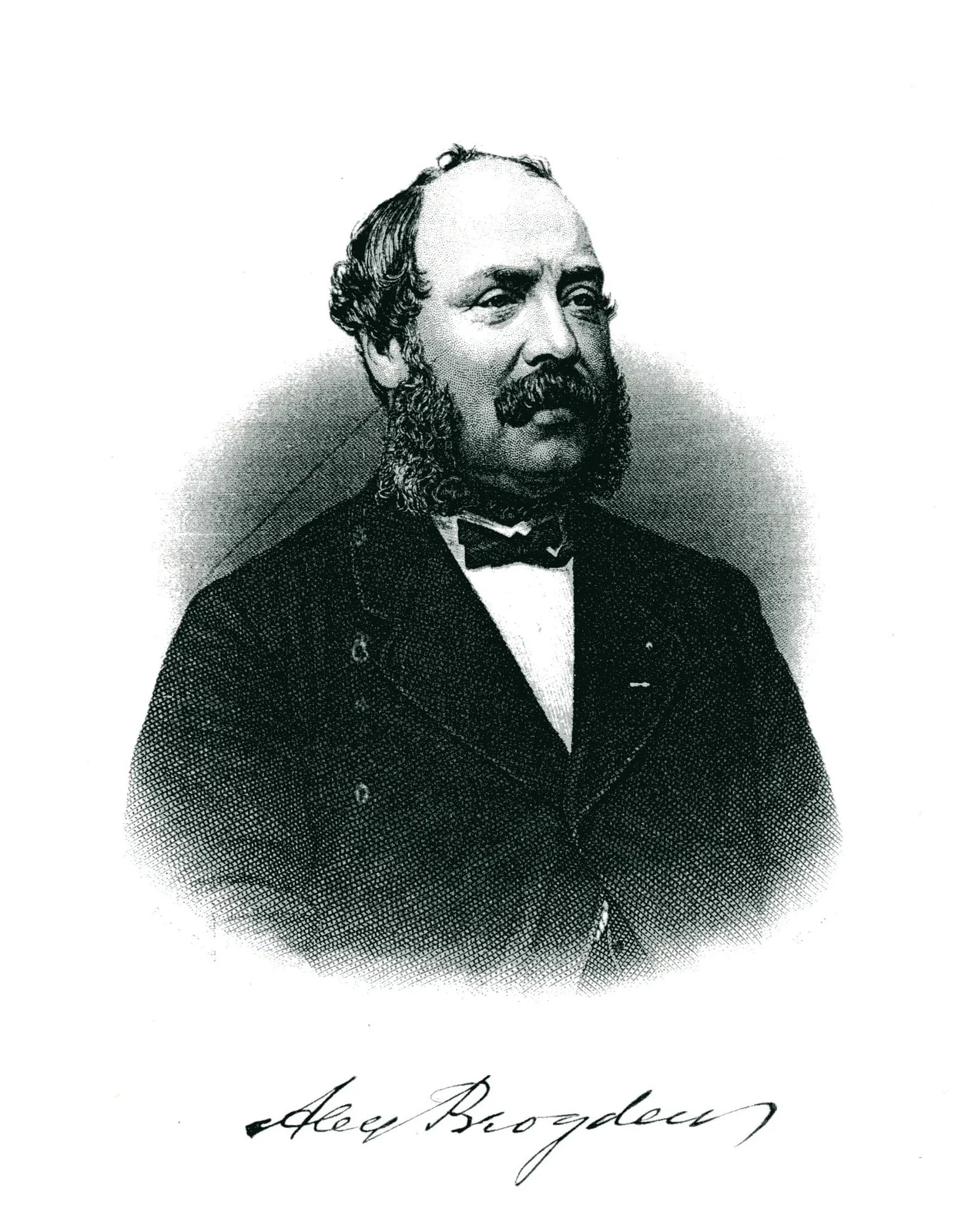
In this biography
Quick facts
- Born
- 1800
- Died
- 22 June 1861
- Birthplace
- Edinburgh, Scotland
- Country
- United Kingdom
- Nationality
- Not independently established
- Known for
- Edinburgh’s early organised fire service and leadership of the London Fire Engine Establishment
- Known for
- Edinburgh’s early organised fire service and leadership of the London Fire Engine Establishment
- Life
- 1800–1861
Why this life matters
Edinburgh’s early organised fire service and leadership of the London Fire Engine Establishment.
Timeline
Key moments
Edinburgh
Took responsibility for the city’s fire engines.
Professional publication
Published a manual on apparatus, training and fire response.
London establishment
Led the newly operating pooled service.
Building knowledge informed a new profession
James Braidwood was born in Edinburgh in 1800. Educated at the High School, he worked in the building trade before becoming responsible for the city’s fire engines in 1824. Knowledge of structures and materials was directly relevant to the dangers firefighters encountered. The historical biography connects his appointment with the serious Edinburgh fires of that year, but his significance extends beyond conspicuous bravery. Organising equipment, training and a disciplined response created a continuing capacity that could be used at many incidents.
A published manual carried his methods beyond Edinburgh
In 1830 Braidwood published a work on fire engines, the training of firefighters and methods of proceeding at fires. Its subject range joined apparatus to human organisation. The publication helped bring his experience to wider attention before he took charge of the London Fire Engine Establishment. That organisation began work in January 1833, combining insurance-company brigades. The appointment and the start of the service belong to a sequence, which explains why older sources can refer to his London move in 1832 without making the 1833 operating date disappear.
The London establishment pooled an insurance-funded service
As superintendent, Braidwood led a force maintained through participating insurers rather than a fully municipal brigade. The London Fire Brigade’s history records the joining of previously independent services, while its river history describes the transfer of fire-floats into the new establishment. Shared command therefore concerned both people and apparatus. It did not erase the financial structure behind the organisation. Braidwood’s work involved practical leadership inside those institutional limits, and the distinction matters when comparing his establishment with the publicly administered brigade created later.
His death preceded the later statutory reorganisation
Braidwood died on 22 June 1861 when a wall collapsed during the Tooley Street warehouse fire. He was buried at Abney Park Cemetery. His writings on prevention and extinction were collected after his death, preserving a professional contribution beyond the immediate circumstances of the disaster. He had also presented work to engineering and arts institutions. His biography connects construction knowledge, instruction and operational command. The later public fire brigade inherited experience and equipment from this period, but its statutory foundation should not be attributed to a man who had already died.
Quick answers
Frequently asked questions about James Braidwood
- Was Braidwood’s London establishment already the public Metropolitan Fire Brigade?
- No. It was funded through participating insurance companies; the public reorganisation came after his death.
Keep exploring
Lives connected to this story
- Eyre Massey Shaw
Follow Shaw’s later leadership through the transition from the insurance establishment to a public brigade.
Sources and further reading
Explore the evidence
These references support the biography and offer further reading. Official records, first-person accounts and independent reporting provide different perspectives; image records document attribution and licensing.
- 1. Dictionary of National Biography, 1885–1900Braidwood, James
Inspected summaries give different counts for founding brigades or insurance companies; no single count is imposed. Connected LFB museum pages share a conservative 200-word derived-use budget.
- 2. London Fire Brigade MuseumJames Braidwood
- 3. London Fire Brigade MuseumFire boats
- 4. The London ArchivesFire Brigade records