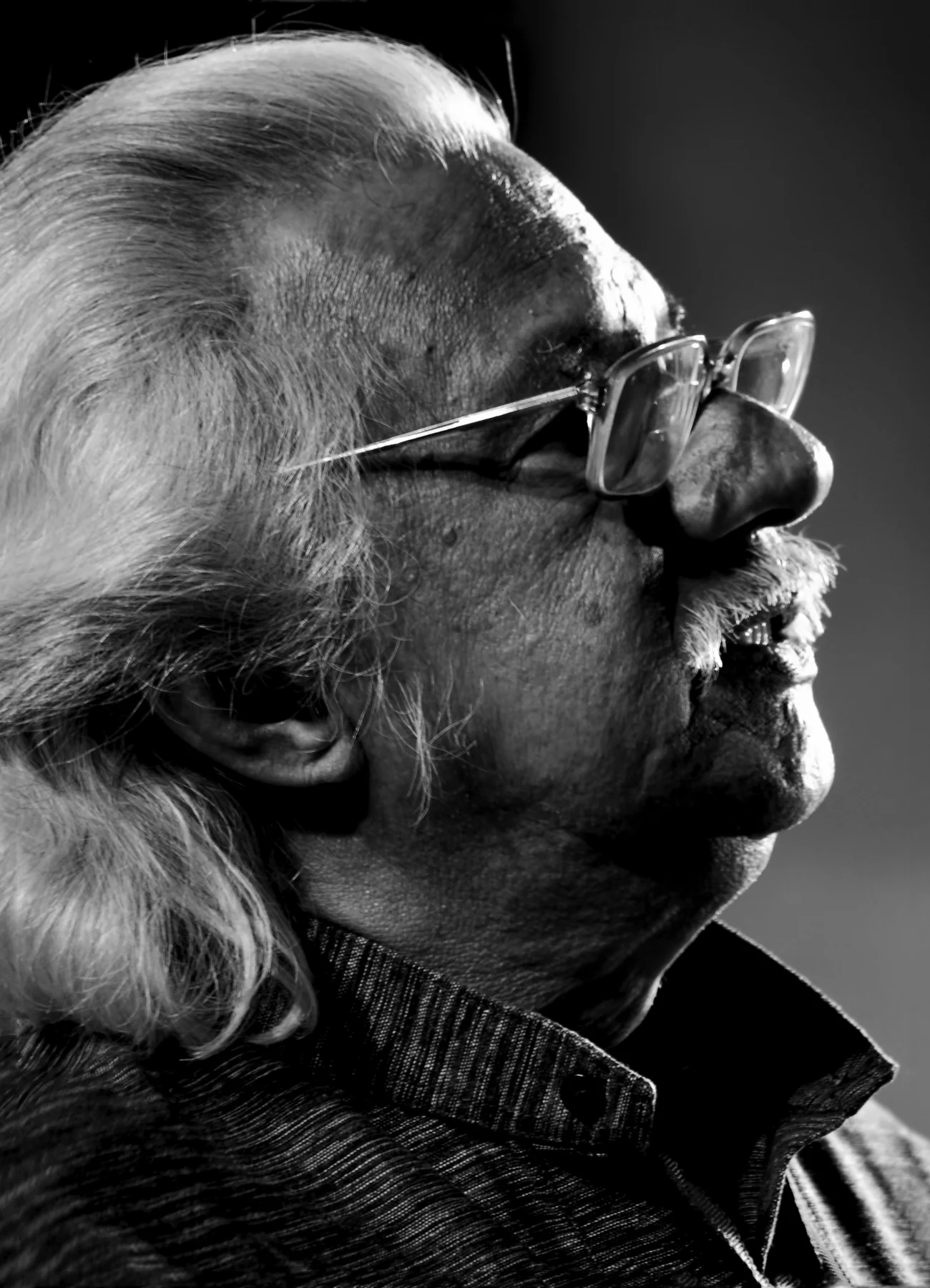
In this biography
Quick facts
- Born
- 1938
- Died
- 2022
- Birthplace
- Not established in the consulted records
- Country
- Japan
- Nationality
- Not independently established
- Known for
- Clothing design
Why this life matters
He organised design as a collaboration among textile research, industrial processes and the wearer’s choices.
Timeline
Key moments
Studio established
Design research.
Pleats Please
Garment pleating.
Design centre
21_21 DESIGN SIGHT.
From graphic design to clothing
Miyake survived the atomic bombing of Hiroshima as a child and later opposed nuclear weapons.
Miyake studied graphic design, then worked in Paris and New York before establishing his studio in 1970. His early Japanese textile experiments brought traditional techniques into contact with industrial materials. Textile designer Makiko Minagawa was an important collaborator.
Movement and a different order of making
He became known for pleating garments after they had been assembled, rather than treating pre-pleated cloth as the starting material. Pleats Please launched in 1993.
Clothing for William Forsythe’s Frankfurt Ballet production tested freedom of movement. Miyake treated the space between body and cloth as part of design.
Research beyond a seasonal collection
Later work included a foundation, 21_21 DESIGN SIGHT and the Reality Lab team. The studio extended its research into folded clothing and lighting.
He died in Tokyo in August 2022. His studio announced the death several days later.
A 1980 turtleneck and later IN-EI lights sit beside Queen Textile in MoMA’s collection. Their different media show a practice moving between clothing and other designed objects.
Performer clothing also informed the Homme Plissé line.
Quick answers
Frequently asked questions about Issey Miyake
- Was A-POC a solo credit?
- No. MoMA credits Miyake and Dai Fujiwara.
Keep exploring
Lives connected to this story
- Eileen Gray
Compare another creative working life.
- Katsushika Hokusai
Try a different practice and its working records.
Sources and further reading
Explore the evidence
These references support the biography and offer further reading. Official records, first-person accounts and independent reporting provide different perspectives; image records document attribution and licensing.