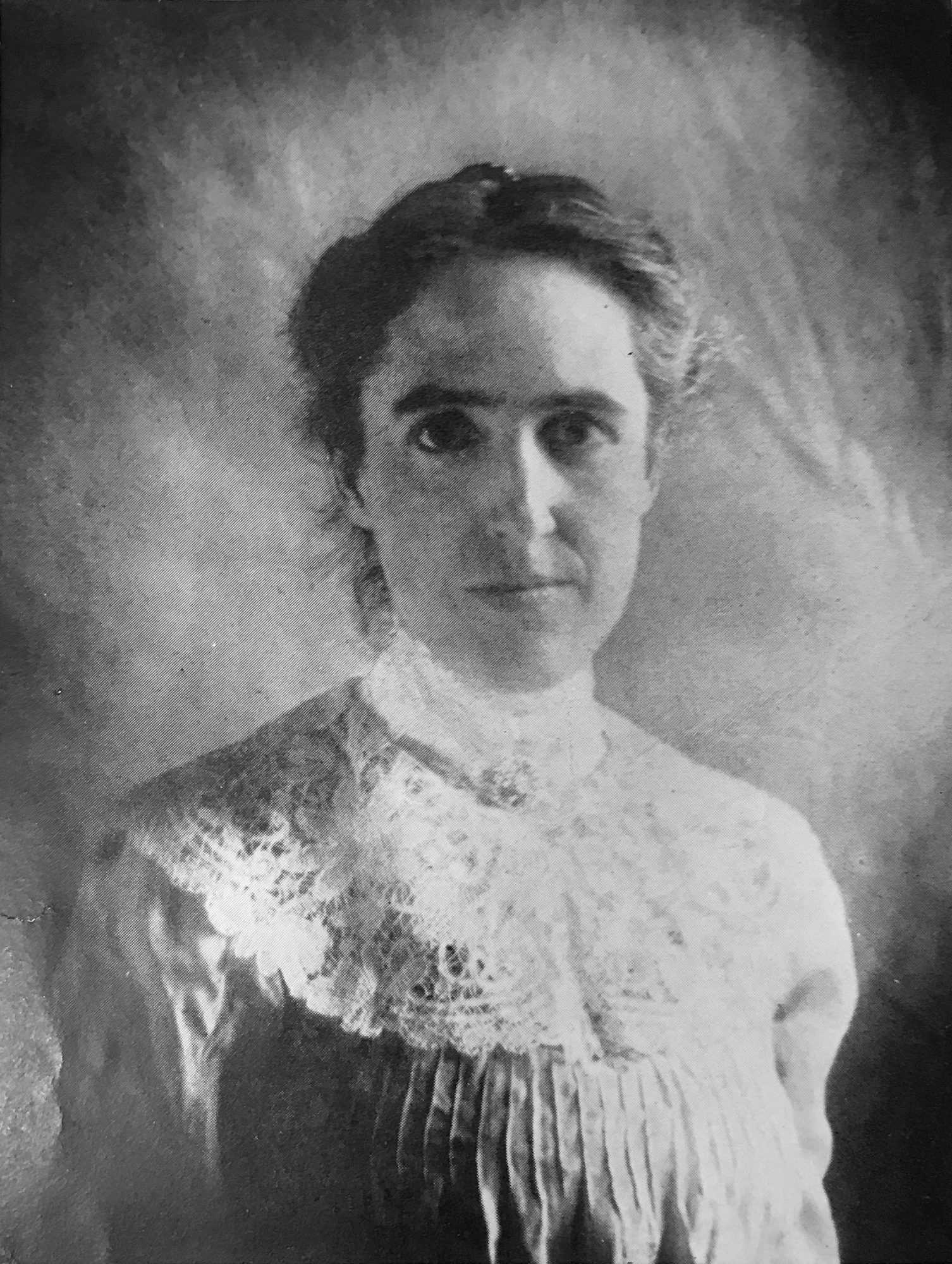
In this biography
Quick facts
- Born
- 1905
- Died
- 1993
- Birthplace
- Not independently established
- Country
- Canada
- Nationality
- Not independently established
- Known for
- Catalogues of variable stars in globular cluster fields
Why this life matters
Her catalogues preserved observational information other astronomers could compare, revise and reuse.
Timeline
Key moments
Dominion Astrophysical Observatory
Moves to Canada after completing her doctorate.
First catalogue
The David Dunlap Observatory publishes her initial compilation.
Third catalogue
Publishes an expanded compilation of variable stars.
Public astronomy book
Publishes The Stars Belong to Everyone.
Photographic astronomy in Canada
Hogg trained in New England and completed her doctorate at Radcliffe in 1931. She and her husband, astronomer Frank Hogg, moved to Canada and worked at the Dominion Astrophysical Observatory in Victoria. She later pursued her research at the David Dunlap Observatory near Toronto. Photographic time series were essential to the work because a star whose brightness varies cannot be understood from a single image.
A globular cluster places many stars in a small patch of sky. That makes a photograph rich in evidence and difficult to interpret. Changes in apparent brightness must be linked to the same object across different exposures.
Keeping catalogues open to revision
Hogg produced successive catalogues of variables in globular cluster fields. The third appeared in 1973 and refers to earlier editions. It brings together discoveries and later identifications and leaves room for uncertainties. One important distinction is between a variable seen in a cluster’s field and a variable shown to belong to the cluster.
An improved catalogue changes what researchers know, not the number of stars physically present in a cluster. It can grow when observing coverage improves, when objects are measured in more detail, or when previously separate information is assembled.
Astronomy for readers outside the observatory
Hogg wrote for the public and served in scientific organisations alongside her research. The University of Toronto records the publication of her book The Stars Belong to Everyone in 1976. Her research and public work shared an attention to observation. Both gave readers a way to connect the objects they might see with the records astronomers use to test an interpretation.
Quick answers
Frequently asked questions about Helen Sawyer Hogg
- What did Hogg catalogue?
- She compiled evidence about variable stars found in globular cluster fields, including records useful for studying periods, positions and membership.
Keep exploring
Lives connected to this story
- Maria Mitchell
Read another example of combining observing work with astronomy education.
- Henrietta Swan Leavitt
Compare the use of variable stars in a different collection of photographic observations.
Sources and further reading
Explore the evidence
These references support the biography and offer further reading. Official records, first-person accounts and independent reporting provide different perspectives; image records document attribution and licensing.
- 1. University of Toronto, Department of Astronomy and AstrophysicsHelen Sawyer Hogg
- 2. Helen Sawyer Hogg, David Dunlap Observatory, 1973A Third Catalogue of Variable Stars in Globular Clusters
Read the introduction and the example of variables judged to be field stars. Counts in a catalogue depend on coverage, identification and membership criteria.
- 3. Government of CanadaHelen Sawyer Hogg, 1905–1993