In this biography
Quick facts
- Born
- 26 August 1917
- Died
- 25 December 1993
- Birthplace
- Dili, Portuguese Timor
- Country
- Timor-Leste
- Nationality
- Timorese
- Known for
- Writing Timor into Portuguese-language poetry from a lifetime largely spent in Portugal
- Birth name
- Abílio Leopoldo Motta-Ferreira
- Born
- Dili, 26 August 1917
- Literary society
- President, Sociedade de Língua Portuguesa, 1976–1993
- Landmark book
- 7 Poemas de Timor, 1965
Why this life matters
Sylvan created an early transnational Timorese literary archive, preserving stories and cultural memory while giving occupation and resistance a language that later writers could revisit.
Timeline
Key moments
Born in Dili
Born Abílio Leopoldo Motta-Ferreira on 26 August in Portuguese Timor.
Moved to Portugal as a child
Left Timor at about six and spent most of the rest of his life in Portugal.
Published 7 Poemas de Timor
Made Timor the explicit subject of a compact Portuguese-language poetry collection.
Began leading a language society
Became president of the Sociedade de Língua Portuguesa, a post he held until his death.
Published Cantogrito Maubere
Joined Timorese identity and the language of resistance in seven new poems.
Published a late Timor collection
A Voz Fagueira de Oan Timor appeared in the year he died in Cascais on 25 December.
A Timorese childhood carried into exile
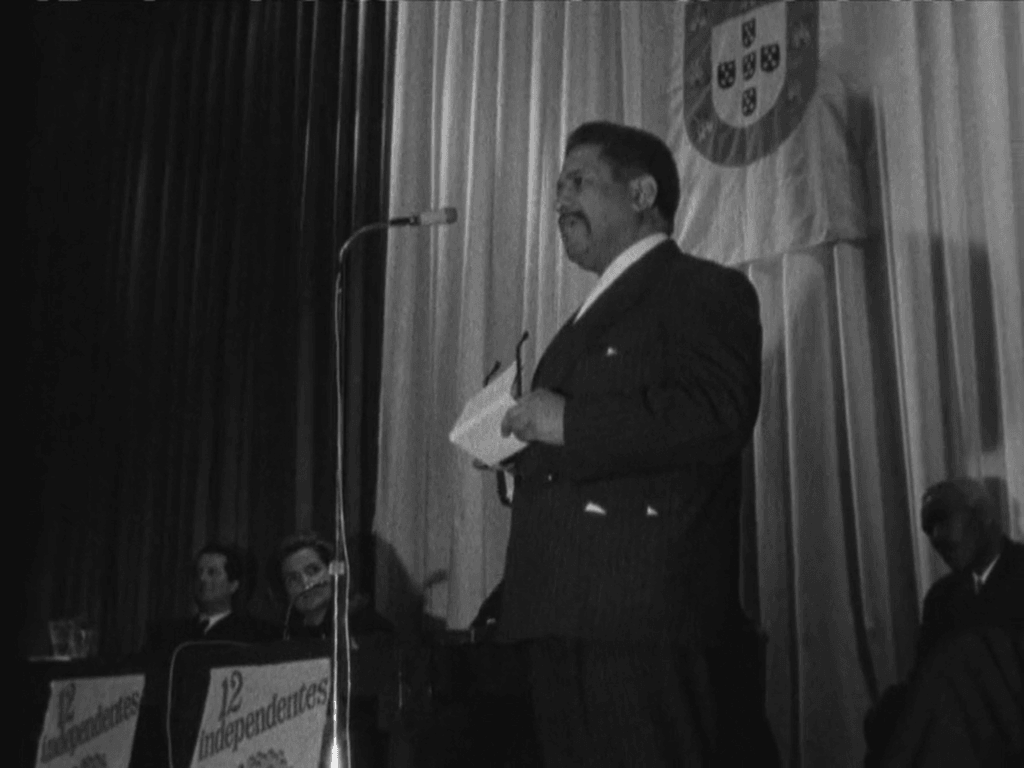
Fernando Sylvan was the literary name of Abílio Leopoldo Motta-Ferreira, born in Dili on 26 August 1917. He left Timor as a child and lived most of his life in Portugal, eventually settling in Cascais. The geographical break became the central condition of his writing. Timor was remembered from a distance, through childhood, family separation, landscape and oral stories rather than through the continuous observation available to a writer who remained on the island.
That distance did not make Timor decorative. Academic studies describe the island as an organising axis of Sylvan’s work. He collected and rewrote legends, reflected on traditions and folklore and returned repeatedly to the relationship between land, sea and Timorese belonging. His version of the crocodile origin story, in which the animal becomes the island, helped carry an oral narrative into wider print circulation without reducing it to a museum object.
Sylvan’s language often stayed compact and controlled. Literary scholar Ana Margarida Ramos notes his preference for brevity, simple vocabulary, restrained syntax and endings that change the meaning of the lines preceding them. Those techniques could hold nostalgia without allowing it to become merely sentimental. Childhood appears as a sensory memory of Timor, but it is also a way to measure what colonial distance and later occupation had taken away.
Poetry across empire, occupation and language
The publication of 7 Poemas de Timor in 1965 made the island explicit in Sylvan’s book-length poetry. Later works widened the political frame: Mensagem do Terceiro Mundo appeared in 1972, Tempo Teimoso in 1974 and Cantogrito Maubere—7 Novos Poemas de Timor-Leste in 1981. The title Maubere reclaimed a term associated with ordinary Timorese people, while cantogrito, or song-cry, suggests verse moving between lyric expression and public resistance.
Scholars have identified tensions in this long career. Sylvan wrote within Portuguese institutions and a language connected to colonial rule, yet his work also explored Timorese resistance to both Portuguese and Indonesian power. That position resists a simple label of exile nationalism. His poems could engage universal themes such as love while asking how a small occupied society entered histories written by empires and how a writer in Europe could remain answerable to the island he remembered.
From 1976 until 1993 Sylvan presided over the Sociedade de Língua Portuguesa. He died in Cascais on 25 December 1993, before the 1999 vote and restored independence. A Voz Fagueira de Oan Timor, published in his final year, gathered a voice still directed toward the homeland. Camões Institute anthologies and later literary scholarship continue to place him among the foundational references for Timorese writing in Portuguese, a bridge between oral memory, diaspora and a national literature that fully emerged after his death.
Quick answers
Frequently asked questions about Fernando Sylvan
- Who was Fernando Sylvan?
- Fernando Sylvan was a poet, essayist and keeper of Timorese literary memory. Sylvan created an early transnational Timorese literary archive, preserving stories and cultural memory while giving occupation and resistance a language that later writers could revisit.
- What is Fernando Sylvan best known for?
- Fernando Sylvan is best known for writing Timor into Portuguese-language poetry from a lifetime largely spent in Portugal.
- When and where was Fernando Sylvan born?
- Fernando Sylvan was born on 26 August 1917 in Dili, Portuguese Timor.
- When did Fernando Sylvan die?
- Fernando Sylvan died on 25 December 1993.
Sources and further reading
Explore the evidence
These references support the biography and offer further reading. Official records, first-person accounts and independent reporting provide different perspectives; image records document attribution and licensing.
- 1. Liverpool University Press / Cambridge CoreToward a Multicultural Ethics and Decolonial Meta-Identity in the Work of Fernando Sylvan
- 2. Ellipsis / American Portuguese Studies AssociationDa resistência política à libertação amorosa: eixos temáticos da poesia de Fernando Sylvan
- 3. Camões — Instituto da Cooperação e da LínguaFernando Sylvan in a Portuguese-language poetry anthology
- 4. Éditions JentayuFernando Sylvan — Author and Critical Introduction
- 5. Wikimedia CommonsPhotograph and public-domain record