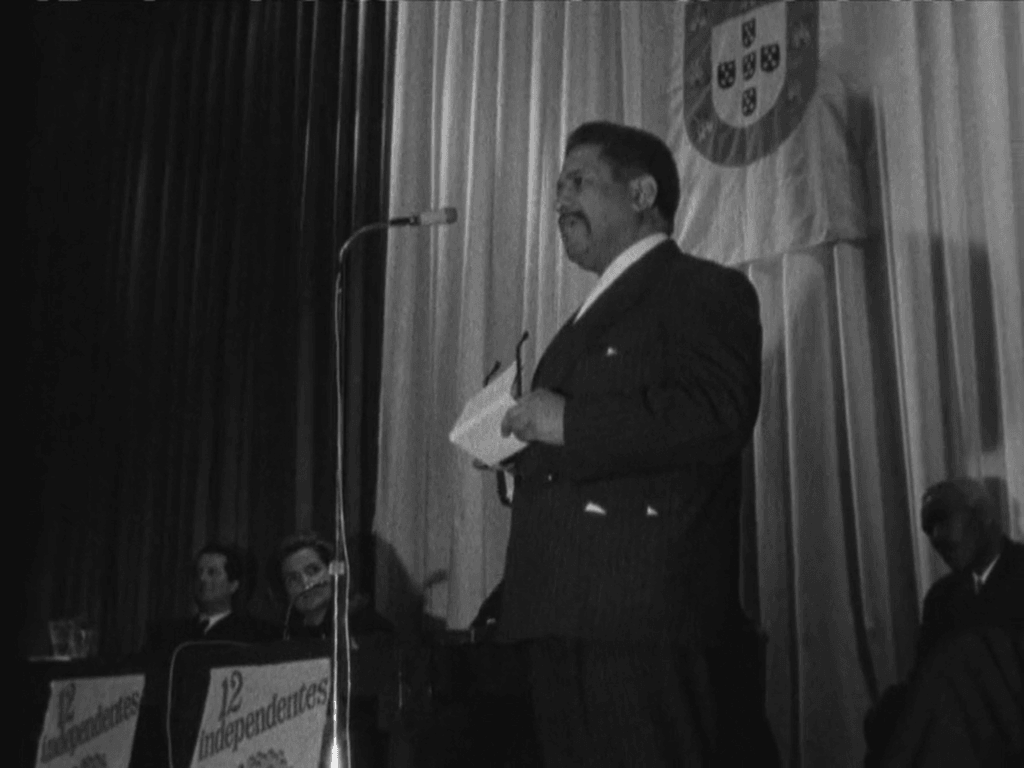
In this biography
Quick facts
- Born
- 14 October 1946
- Died
- 7 December 1975
- Birthplace
- Fatu-Belak, Fatu-Berliu, Portuguese Timor
- Country
- Timor-Leste
- Nationality
- Timorese
- Known for
- Writing the words of Timor-Leste’s national anthem, Pátria
- Born
- 14 October 1946
- National anthem
- Pátria, written in 1975
- Profession
- Poet and journalist
- National Culture Day
- 14 October, established 2014
Why this life matters
Borja da Costa gave Timor-Leste one of its defining national texts; his birthday later became National Culture Day, joining political memory to the country’s wider artistic life.
Timeline
Key moments
Born in Fatu-Belak
Born on 14 October in Fatu-Berliu during Portuguese colonial rule.
Worked in journalism during decolonisation
Developed as a journalist and poet as political organisation accelerated after Portugal’s Carnation Revolution.
Wrote Pátria
His words were set to music by Afonso de Araújo and used by the independence movement.
Killed as the invasion began
Was murdered in the early hours of 7 December, the day Indonesian forces invaded Dili.
Pátria became the national anthem
The restored independent state adopted the 1975 song as its official anthem.
Birthday became National Culture Day
The government chose 14 October to honour Borja da Costa and Timor-Leste’s cultural diversity.
Poetry in a moment of decolonisation
Francisco Borja da Costa was born on 14 October 1946 in Fatu-Belak, Fatu-Berliu. The Government of Timor-Leste identifies his parents as António da Costa, the local liurai, and Alcina da Costa. He came of age inside a colonial system with restricted political participation and uneven access to education, conditions that later entered his writing as questions of dignity, development and who had the authority to speak for Timorese communities.
Borja da Costa worked as a journalist as well as a poet. His writing did not separate cultural expression from public argument: official accounts describe poems intended to awaken an oppressed population while also addressing education and regional development. He wrote in a period when Portuguese decolonisation opened competing visions for Timor’s future and when language became part of mobilisation, political education and the creation of a national audience.
That combination made his poems useful beyond the page. Works remembered in Timor-Leste include Kdadalak, Foho Ramelau and Um Minuto de Silêncio, texts associated with unity, resistance and mourning. Later writers and musicians have described his simple, concentrated language as a model for connecting political urgency with a specifically Timorese cultural vocabulary. He therefore belongs to literary history even when particular lines became songs or slogans.
Pátria, death and an enduring public legacy
In 1975 Borja da Costa wrote the words of Pátria, with music composed by Afonso de Araújo. The song gave the independence movement a declaration in collective voice: country, people, liberation and opposition to exploitation. It was created during the compressed months between Portuguese withdrawal and Indonesia’s full invasion, which means its later ceremonial role cannot be separated from the danger surrounding its composition.
Borja da Costa was killed in the early hours of 7 December 1975 as Indonesian forces entered Dili. He was twenty-nine. The Government of Timor-Leste’s account uses that date and describes him as murdered at the invasion’s beginning; later testimony and commemorative reporting reflect the family’s long uncertainty over his remains. The loss placed his short body of work inside the same violent rupture that the poems had tried to confront.
Pátria was adopted as the national anthem when independence was restored in 2002. In 2014 the government established 14 October, Borja da Costa’s birthday, as National Culture Day—not only to remember one poet, but to promote the dignity of artists, cultural diversity, citizenship and social cohesion. The decision to name the new central building of the national broadcaster RTTL after him in 2024 extended that legacy from anthem and calendar into a public institution devoted to communication.
Quick answers
Frequently asked questions about Francisco Borja da Costa
- Who was Francisco Borja da Costa?
- Francisco Borja da Costa was a poet, journalist and national anthem lyricist. Borja da Costa gave Timor-Leste one of its defining national texts; his birthday later became National Culture Day, joining political memory to the country’s wider artistic life.
- What is Francisco Borja da Costa best known for?
- Francisco Borja da Costa is best known for writing the words of Timor-Leste’s national anthem, Pátria.
- When and where was Francisco Borja da Costa born?
- Francisco Borja da Costa was born on 14 October 1946 in Fatu-Belak, Fatu-Berliu, Portuguese Timor.
- When did Francisco Borja da Costa die?
- Francisco Borja da Costa died on 7 December 1975.
Sources and further reading
Explore the evidence
These references support the biography and offer further reading. Official records, first-person accounts and independent reporting provide different perspectives; image records document attribution and licensing.