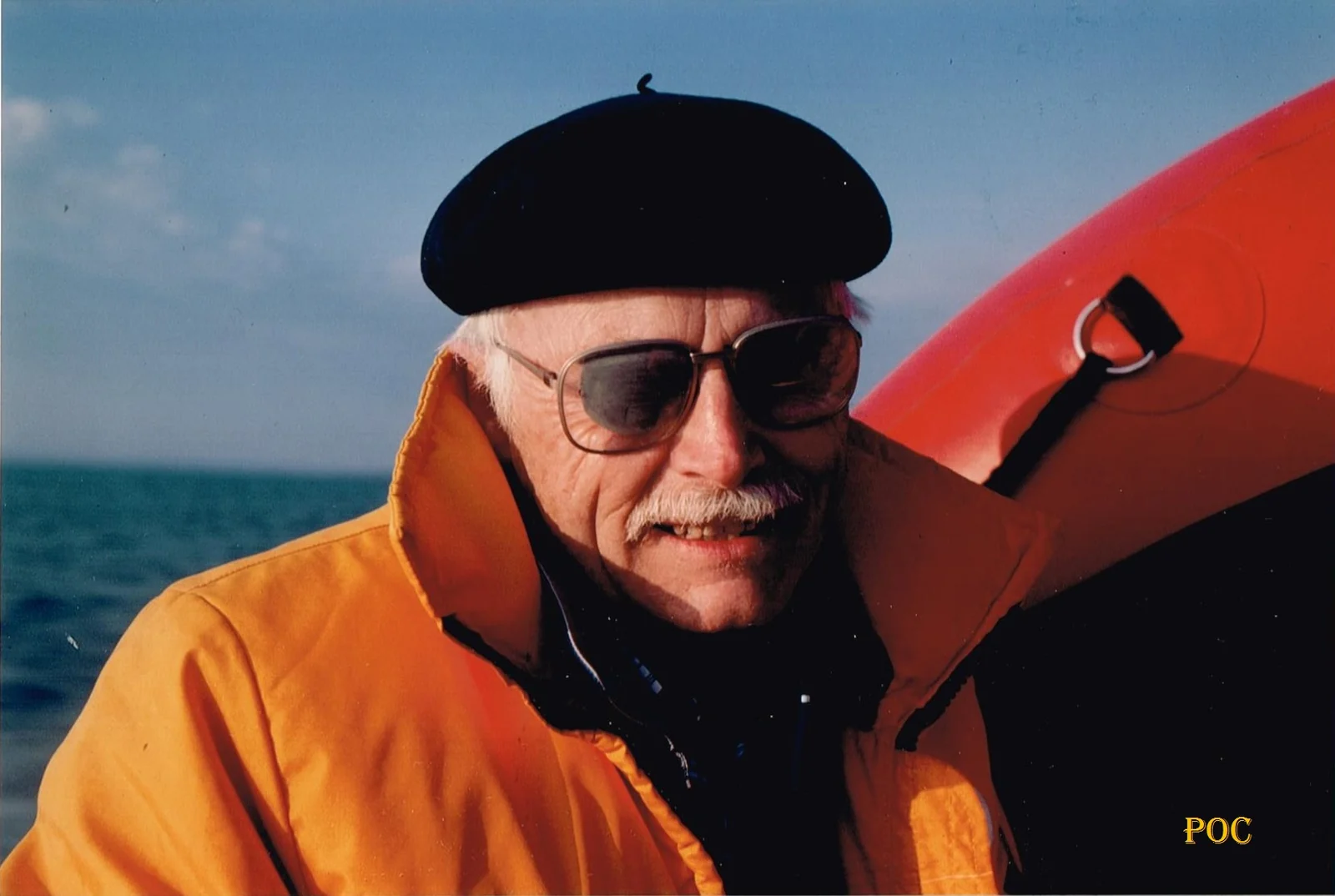
In this biography
Quick facts
- Born
- 1940
- Died
- 2025
- Birthplace
- Amsterdam,Netherlands
- Country
- Canada
- Nationality
- Not independently established
- Known for
- The Sand Castle, Ludovic and material-based animated storytelling
Why this life matters
His career connects the physical making of animated characters to stories about cooperation, ecology and community.
Timeline
Key moments
Move to Canada
Developed a career with the National Film Board.
Puppet-animation study
Travelled to Czechoslovakia to study the craft.
The Sand Castle
Completed his internationally recognised stop-motion short.
Death
Died in Montréal on 26 May 2025.
A practical film education across two countries
Co Hoedeman was born in Amsterdam in 1940 and entered filmmaking through practical work in the Netherlands. Photography, commercial production, optical effects and model-making formed part of that early experience. He moved to Canada in 1965 and developed a long association with the National Film Board. The route helps explain why his animation often begins with an object’s physical possibilities. A piece of wire, a wooden figure or a sand-covered puppet brings a different kind of movement into the production. Rather than forcing every story into one established look, he made the choice of material part of the film’s imaginative setting.
Puppets, stories and collaboration
After travelling to Czechoslovakia in 1970 to study puppet animation, Hoedeman continued experimenting at the NFB. His films of the 1970s included work based on Inuit traditional stories made in close collaboration with artists from Nunavut and Nunavik. The Sand Castle (1977) became his best-known international success. Its credits name Jacques Drouin for editing and Normand Roger for music, alongside Hoedeman’s direction. These contributions matter because the visible world appears unusually self-contained: the characters seem to grow from their surroundings. The production itself was also a network of skills, and the film’s unity should not be confused with evidence that a single person performed every task. Tchou-tchou, from 1972, used wooden blocks as another distinctly material world.
A career beyond an Oscar-winning short
Hoedeman later worked with Indigenous inmates at La Macaza on The Sniffing Bear and created the Ludovic stories about a young teddy bear. His independent work included 55 Socks, a co-production drawing on memories of the Dutch Hunger Winter. The NFB’s 2025 obituary records his death in Montréal on 26 May that year, so older accounts describing only an ongoing career need that later context. Across the films, care for children, ecological relationships and social life accompanied a changing repertoire of techniques. His legacy is not simply the revival of an old-fashioned process. It demonstrates how manipulating material frame by frame can create new situations for thinking about dependence, resourcefulness and the work people do together.
Quick answers
Frequently asked questions about Co Hoedeman
- Was Hoedeman’s work limited to sand animation?
- No. He also used wire, wood, puppets, foam rubber and other materials.
- Is Co Hoedeman still living?
- No. The NFB records his death on 26 May 2025.
Keep exploring
Lives connected to this story
- Caroline Leaf
Compare two different handcrafted animation practices developed within Canadian film production.
- René Jodoin
Read the institutional history of the French animation studio that supported Hoedeman’s work.
Sources and further reading
Explore the evidence
These references support the biography and offer further reading. Official records, first-person accounts and independent reporting provide different perspectives; image records document attribution and licensing.