In this biography
Quick facts
- Born
- 19 April 1942
- Birthplace
- Singapore
- Country
- Singapore
- Nationality
- Singaporean
- Known for
- Political research, Singapore’s UN representation and her 1996–2012 US ambassadorship
- Academic training
- University of Singapore and Cornell University
- UN posting
- Permanent representative, 1989–1991
- Washington posting
- Ambassador to the United States, July 1996–July 2012
- Policy research
- Founding director of the Institute of Policy Studies
- Writing
- Studies of Singapore politics and a biography of David Marshall
Why this life matters
Her career links the study of political institutions with the practical work of representing a small state, and shows an influential route into public service outside elected office.
Timeline
Key moments
Born in Singapore
Born on 19 April; grew up in Joo Chiat.
Political-science education
Graduated in Singapore, earned a Cornell master’s in 1967 and completed her doctorate in Singapore in 1974.
United Nations representative
Also held concurrent accreditation to Canada and Mexico.
Ambassador in Washington
A second overseas diplomatic posting after her UN service.
Regional human-rights representation
Appointed Singapore’s representative to AICHR in October.
Books and a university transition
World in Transition was launched in March; her LKYCIC chairmanship ended in June.
A political scientist before a diplomat
Chan Heng Chee was born in Singapore on 19 April 1942 and grew up in Joo Chiat. She studied political science at the University of Singapore, graduating in 1964, before completing a master’s at Cornell in 1967 and a doctorate in Singapore in 1974. Her training placed research and historical argument at the centre of her early professional life.
Her books examined Singapore’s survival after separation, one-party dominance and the career of David Marshall. The Politics of Survival, 1965–1967 grew from her master’s work; The Dynamics of One Party Dominance drew on her doctoral research. These subjects were close to the institutions she would later represent, but an academic account of political power is a different kind of work from exercising diplomatic authority.
Building research institutions and representing Singapore at the UN
Chan became head of political science at the National University of Singapore and the founding director of the Institute of Policy Studies. She also led the Institute of Southeast Asian Studies and the Singapore International Foundation. These appointments connected university scholarship, policy discussion and international engagement before and between her overseas postings.
From 1989 to 1991 she was Singapore’s permanent representative to the United Nations, with concurrent accreditation as high commissioner to Canada and ambassador to Mexico. The responsibilities covered different diplomatic relationships: a multilateral mission in New York and bilateral representation to two countries. The government’s 1996 appointment notice described Washington as her second diplomatic posting.
Sixteen years in Washington
Chan became ambassador to the United States in July 1996 and served until July 2012. The length of the posting spanned changes in American administrations and international priorities. Her role was to explain and advance Singapore’s position through an embassy and its relationships, not to hold an elected American or Singaporean legislative seat.
When announcing her next appointment in October 2012, MFA listed diplomatic and public-service honours she had received at the end of the Washington assignment. The record helps establish the standing she acquired during the posting. It does not make every development in the bilateral relationship her personal achievement or turn an institutional tribute into a complete assessment of foreign policy.
Ambassador-at-large, writing and urban research
After Washington, Chan continued as ambassador-at-large. In October 2012 she was appointed Singapore’s representative to the ASEAN Intergovernmental Commission on Human Rights, or AICHR. The appointment belonged to a regional intergovernmental body; it was not a United Nations judicial office. Later writing, including World in Transition, drew on her experience of changing international politics.
She also chaired the Lee Kuan Yew Centre for Innovative Cities at SUTD. The university announced that she would leave that chairmanship on 14 June 2021, with Cheong Koon Hean taking over. Its later profile identifies Chan as an honorary professor and ambassador-at-large. This continuation in research and public service is distinct from remaining the serving ambassador in Washington, a posting that had ended in 2012.
Quick answers
Frequently asked questions about Chan Heng Chee
- When was Chan Heng Chee ambassador to the United States?
- From July 1996 to July 2012, according to Singapore’s Ministry of Foreign Affairs.
- Was Chan Heng Chee an academic before becoming a diplomat?
- Yes. She trained in political science, published studies of Singapore politics and led academic and policy-research institutions.
- Did Chan Heng Chee represent Singapore at the United Nations?
- Yes. She was permanent representative from 1989 to 1991, with concurrent diplomatic accreditation to Canada and Mexico.
- Is Chan Heng Chee still the LKYCIC chair?
- Her chairmanship ended on 14 June 2021. SUTD’s later biography describes an honorary-professor role rather than that former chairmanship.
Keep exploring
Lives connected to this story
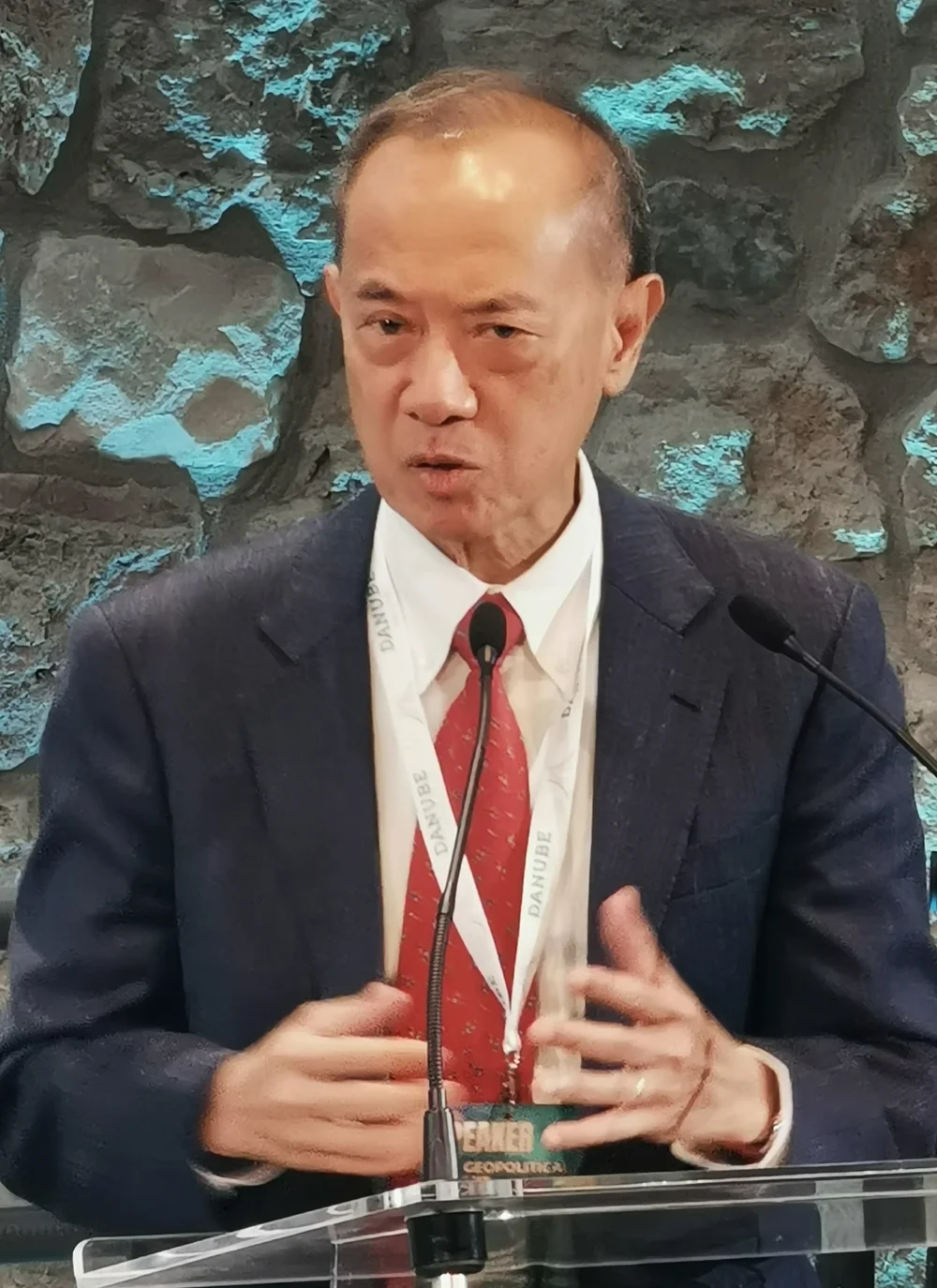
- George Yeo
Compare a foreign minister’s military and elected route with Chan’s academic and diplomatic career.
- David Marshall
Read about the politician and diplomat whose life Chan examined in A Sensation of Independence.
- S. Rajaratnam
Explore the first foreign minister’s work building the international representation that later diplomats continued.
Sources and further reading
Explore the evidence
These references support the biography and offer further reading. Official records, first-person accounts and independent reporting provide different perspectives; image records document attribution and licensing.
- 1. ISEAS–Yusof Ishak InstituteChan Heng Chee: biographical notes and early publications
This dated research note supports early life and publication chronology, not an assertion that all listed offices remain current.
- 2. MFA · National Archives of Singapore1996 appointment notice: birth, degrees and prior posts
- 3. Ministry of Foreign Affairs Singapore31 October 2012 AICHR appointment and diplomatic CV
The 2012 CV ends her US service on 14 July; the visible summary uses month-level dates rather than importing a conflicting exact end date from an encyclopedia. The AICHR announcement is historical, not proof of an unbroken current term.
- 4. Ministry of Foreign Affairs Singapore · original remarks9 March 2021 launch of World in Transition
- 5. Singapore University of Technology and DesignChan Heng Chee: honorary-professor and ambassador-at-large profile
- 6. Singapore University of Technology and Design2021 LKYCIC chairmanship handover
Distinguishes her former LKYCIC chairmanship from the honorary-professor position in the later university profile.
- 7. Wikimedia Commons · U.S. Department of DefenseR. D. Ward’s 2002 photograph: public-domain provenance
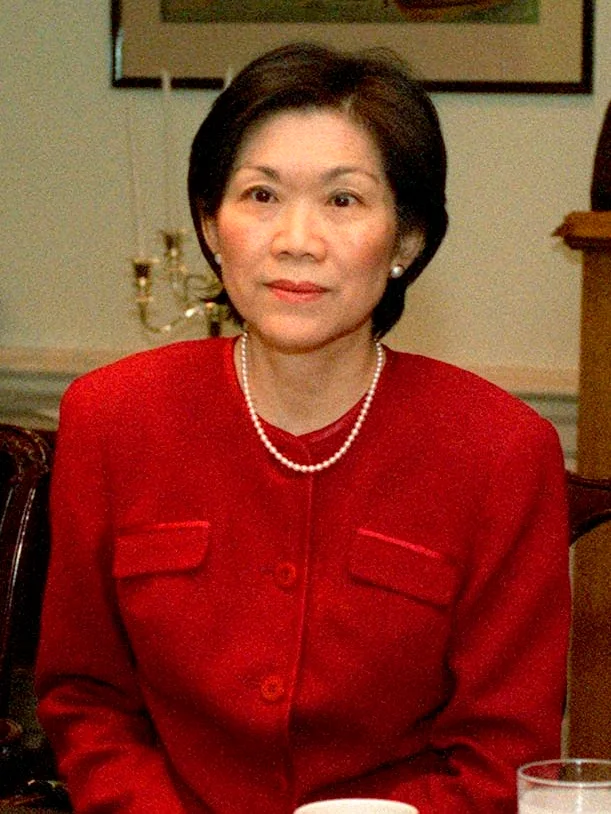
Commons identifies R. D. Ward, original Department of Defense photograph 020502-D-9880W-040 and PD-USGov-Military status. This is a real 2002 portrait crop, not an image of a later appointment.