
The short answer
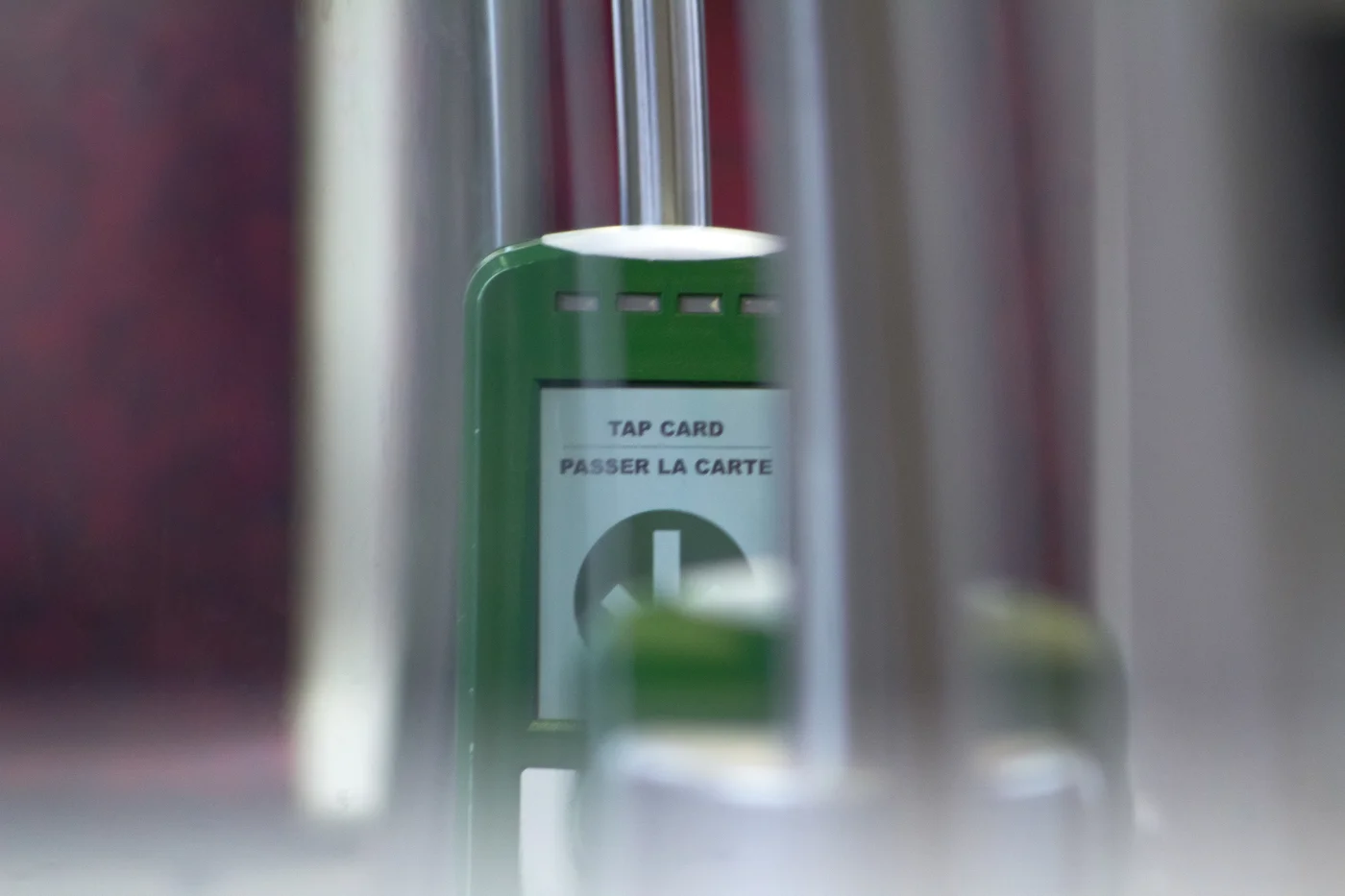
On 26 August 2018, the Toronto Transit Commission began a two-hour transfer for PRESTO users. After a first paid tap, a rider could leave the system and reboard within two hours. A stop on the way or a change of direction could fit inside the original fare window.
A time window for one fare
What could a rider do within two hours?
Eligible boardings in the period are linked to the first paid tap.
| Situation | What the rule did | Practical meaning |
|---|---|---|
| First ride | A paid PRESTO tap starts the period. | The time of that tap establishes the beginning of the window. |
| Errand within two hours | A later eligible tap falls within the same window. | A rider can leave, return or switch directions on the original fare. |
| A later trip | The original period expires. | A new fare starts a new window. |
Chronology
A timeline of the turning points
The board adopts the policy
It approves a fare change and recognises its budget and service implications.
Timed transfers enter use
Passengers can get off and reboard within the specified period.
Toronto’s auditor records the change
The assessment places the transfer in a chronology of TTC fare changes.
What the TTC board approved
The board adopted the time-based transfer on PRESTO in November 2017. It treated the change as a fare policy with consequences for its budget and for service. A system able to record when a rider tapped made the rule feasible. The commission still had to decide what the fare would buy.
Sources for this section: [1]
How the rule changed an ordinary trip
The launch notice gives a clear starting point. The first tap sets the clock. A rider who gets off to buy groceries and boards another TTC vehicle within the two hours could still travel on the original fare. The rider could also change direction. That gave passengers a way to judge in advance whether a stop or short round trip would fit within the window.
Sources for this section: [2]
How the window differs from a price cap
The two-hour period determines which boardings are covered by one paid fare. A daily cap limits the total cost of separate eligible fares after they are accumulated. The two models can operate on similar equipment while giving passengers different options. Toronto’s auditor identifies August 2018 as the start of this particular PRESTO rule, separate from earlier milestones in the card’s adoption.
Continue the chronology
Related history guides
How Low-Floor Streetcars Reached Toronto’s Spadina Route
Read how Toronto changed boarding on Spadina with its first new low-floor streetcars.
Read the timeline2012–2014How London Introduced Contactless Bank Card Fares
Compare London’s caps on the accumulated cost of trips.
Read the timeline2014–2016How Vancouver’s Compass Changed Bus and Rail Fares
Read about Vancouver’s mode-specific validation rules.
Read the timeline2020–2022How Jakarta Set a Cap on Integrated Transit Fares
Compare Jakarta’s time limit for combining the fares of specified operators.
Read the timeline1946–1954How Toronto Opened Its First Subway Under Yonge Street
Read about the opening and first public fare on the original Yonge Subway.
Read the timelineConnected biographies
People connected to this history
Quick answers
Common questions
- When did the two-hour TTC transfer start?
- It started for PRESTO riders on 26 August 2018.
- What started the two-hour period?
- The rider’s first paid tap started the period.
Primary and institutional sources
How this history was checked
Dates, legal milestones and historical claims are checked against the official and institutional records below. This article was reviewed on 19 November 2026.