
The short answer
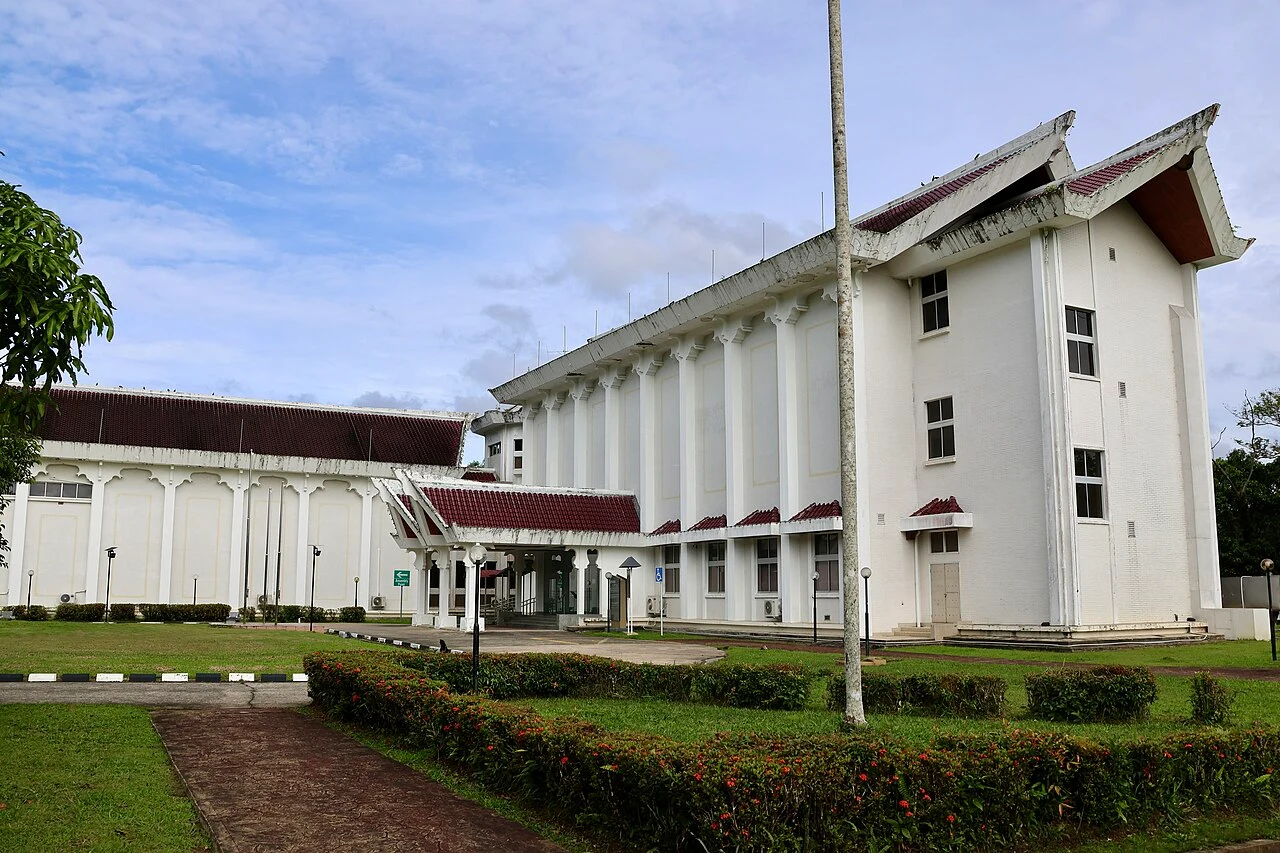
At the Malay Technology Museum in Kota Batu, the first way to study a technology is to look at a house. Six models preserve differences in the buildings of Kampong Ayer. Other galleries let a visitor follow work from a waterfront workshop to the processing of food inland.
Compare the records
How to read the three galleries
Each display preserves a different relation between a technique and the setting where people used it.
| Gallery | What it reconstructs | Question to ask |
|---|---|---|
| Kampong Ayer houses | Six models of historical water-village homes. | Which structural features differ across the examples? |
| Water-village industries | Fishing gear, weaving, boats and cast copper. | Which activities supplied the community with tools or transport? |
| Inland society | House forms and processes including sago and rice production. | Which materials and tasks shaped daily work away from the river? |
Chronology
A timeline of the turning points
The models’ historical range
The house gallery depicts structures from Kampong Ayer across this period.
Public opening
Sultan Hassanal Bolkiah inaugurated the museum.
Three approaches to technology
Models and reconstructions illustrate housing, water-village industries and inland practices.
Looking for change in six house models
The water-village architecture gallery depicts homes from the late nineteenth century to the middle of the twentieth. A model allows the viewer to compare structural choices between houses that did not all share a single moment in time. The museum describes the set as evidence of several architectural influences. The date on the museum entrance tells us when the collection opened, while the models represent an earlier span of building practice.
Where the boat belongs in the workshop
In the industry gallery, boatbuilding appears beside fishing gear, weaving and copper casting. A boat makes a good starting point because it connects a workshop to movement around a settlement built over water. Looking at the gear and other crafts beside it changes the unit of study. A single finished object becomes part of the community’s ability to make equipment, travel and earn a living.
What changes on land
The inland gallery turns to sago preparation, sugar processing and the rice harvest, and includes reconstructions of homes associated with Dusun, Kedayan, Murut and Penan communities. Comparing these displays with Kampong Ayer shifts attention to the materials and crops that workers handled in different locations. The museum’s use of the word technology includes this practical knowledge about shelter and food, as well as the tools and methods of a metalworker.
Continue the chronology
Related history guides
The Brunei Shipwreck: What Its Cargo Revealed
Compare evidence reconstructed in the galleries with objects recovered from a shipwreck.
Read the timeline1967–1992Brunei’s Royal Regalia Museum: Coronation and Silver Jubilee
Read a ceremonial object in another of Brunei’s museums.
Read the timelineConnected biographies
People connected to this history
Quick answers
Common questions
- When did the Malay Technology Museum open?
- It opened on 29 February 1988.
- What period do the Kampong Ayer house models represent?
- The museum describes the six examples as representing the late nineteenth through mid-twentieth centuries.
Primary and institutional sources
How this history was checked
Dates, legal milestones and historical claims are checked against the official and institutional records below. This article was reviewed on 19 November 2026.