
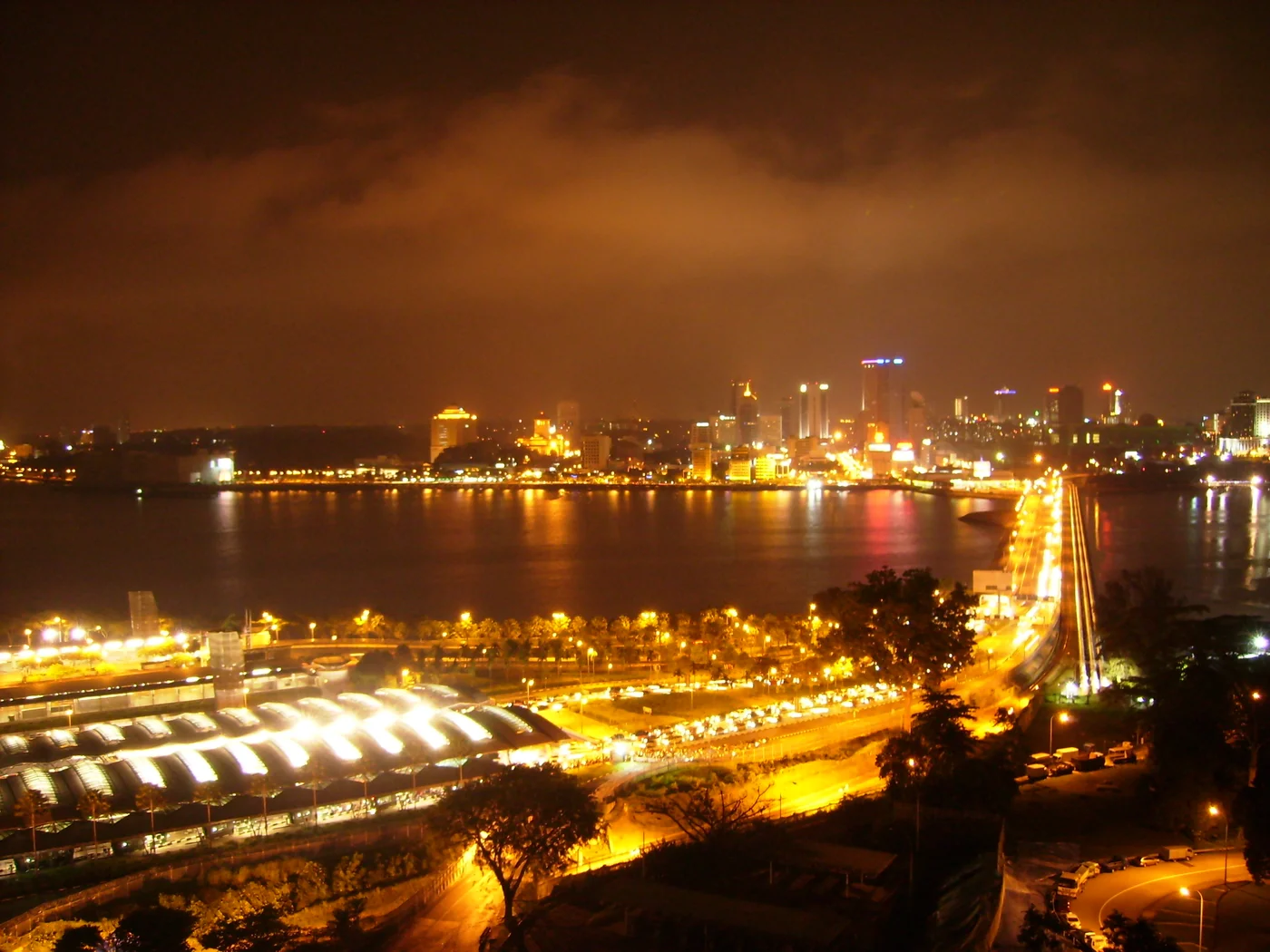
The short answer
The Johor–Singapore Causeway was ceremonially opened on 28 June 1924. Freight and passenger trains had begun using it the previous year. The difference between those dates records the gradual replacement of services that once carried people and rail wagons across the strait by water.
Several events called an opening
What changed at each stage
Use the dates to distinguish freight, passenger operations and ceremony.
| Milestone | What opened | What it meant for crossings |
|---|---|---|
| 17 September 1923 | Goods rail traffic | Rail wagons could cross by track and the wagon ferry ceased. |
| 1 October 1923 | Passenger rail traffic | Scheduled passenger trains used the route and the launch service was withdrawn. |
| 28 June 1924 | Ceremonial opening | Marked the completed public work rather than the first passenger journey. |
Chronology
A timeline of the turning points
Ferries carry wagons and passengers
The crossing includes separate services across the water.
Goods trains begin crossing
The wagon ferry is withdrawn from service.
Passenger trains begin crossing
The passenger steam-launch ferry is withdrawn.
The Causeway formally opens
Sultan Ibrahim of Johor takes part in the opening ceremony.
What the railway replaced
Before the through route, wagons crossed by a ferry. A passenger launch also connected the two sides. Once goods trains could use the Causeway, the wagon ferry was withdrawn. The passenger launch continued until rail travel for the public began in October.
The archive’s two service histories explain why a single start date can miss an important distinction. Goods and passengers used different arrangements before through trains began.
Why the October service was significant
The archival account follows a night mail train that left Kuala Lumpur on 30 September and crossed the Causeway before arriving in Singapore the following morning. It places the passenger opening within an existing long-distance railway. For travellers, the change removed the separate water crossing from that journey.
Why the official year is still 1924
Completion involved work that continued after the first trains. The June 1924 ceremony brought together the colonial governor Laurence Nunns Guillemard and Sultan Ibrahim of Johor. It formally marked a completed public work that rail services had already begun to use.
This is why an archival photograph of the ceremony and a newspaper report of the first passenger service carry different years. Read the caption or report to see which event appears.
Continue the chronology
Related history guides
Why KTM Moved from Tanjong Pagar to Woodlands in 2011
Read how and why the Singapore terminus changed in 2011 while trains continued to cross the Causeway.
Read the timeline2020–2021What the Laos–China Railway Changed in 2021
Compare how a new through railway changed transfers and border journeys in Laos.
Read the timeline1987–1988How Singapore’s First MRT Service Began
Compare another railway where passengers could travel before the formal system opening.
Read the timelineConnected biographies
People connected to this history
Quick answers
Common questions
- When did the first passenger trains cross?
- The passenger service began on 1 October 1923. Goods trains had already been using the Causeway since September.
- Why is the Causeway’s centenary in 2024?
- The official opening ceremony took place on 28 June 1924.
Primary and institutional sources
How this history was checked
Dates, legal milestones and historical claims are checked against the official and institutional records below. This article was reviewed on 19 November 2026.
- National Archives of Malaysia and National Archives of Singapore, via National Library BoardThe making of the Causeway, adapted from the joint archival history
- National Library Board SingaporeFrom sea to road, the history of building the Causeway
- The Straits Times, NewspaperSG archiveJohore Causeway opening to passenger traffic, 1 October 1923