
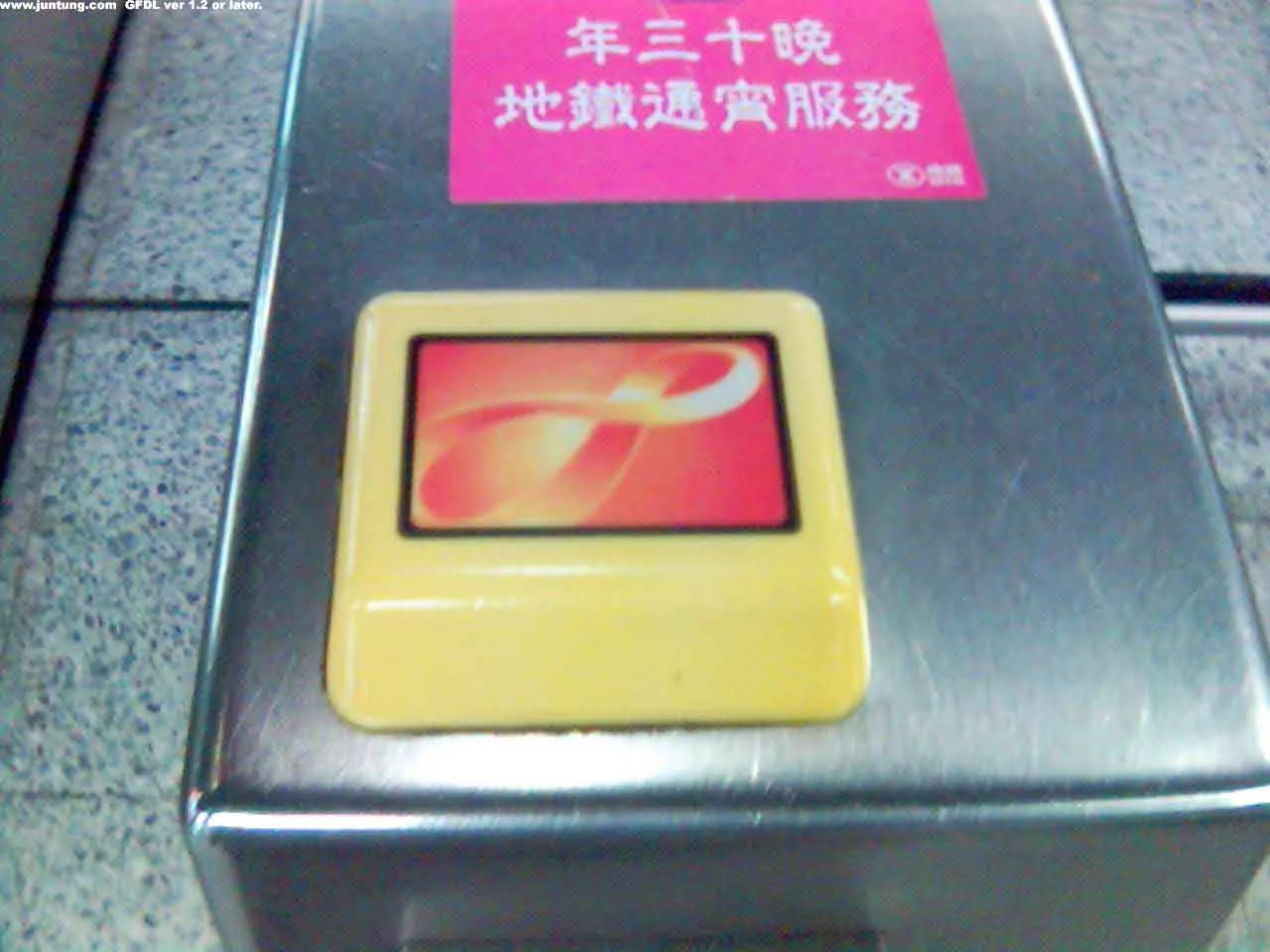
The short answer
Hong Kong’s Octopus Card launched on 1 September 1997 as a contactless way to pay on participating public transport. Five operators had formed the company behind the card in 1994. They built on older automatic ticketing and gave riders a common balance they could use across participating rail, bus and ferry services.
One balance across a network
What the new system changed
A card can be widely accepted while each service keeps its fare rules.
| Part | What the records establish | Practical meaning |
|---|---|---|
| Common issuer | Five operators form Creative Star. | Several networks can participate in a shared payment system. |
| Contactless card | Octopus holds stored value used by participating readers. | A traveller can debit a fare from the same balance on successive services. |
| Magnetic transition | MTR dates full replacement of the older common tickets to January 1999. | The launch and the end of the previous ticket format have different dates. |
Chronology
A timeline of the turning points
MTR starts with automated fare collection
The railway already has experience processing tickets at automated gates.
Creative Star is established
Rail, bus and ferry operators cooperate on a common ticketing system.
Octopus enters service and replaces older common tickets
Contactless stored value launches in 1997. MTR records the end of the old common magnetic tickets in January 1999.
The operators behind the card
The joint venture included MTR, the Kowloon-Canton Railway, Kowloon Motor Bus, Citybus and the Hongkong and Yaumati Ferry. The combination mattered because a passenger’s journey could be spread across several businesses. Agreement on readers and common stored value made it possible to reuse the same payment medium after changing vehicles or operators.
The original problem was broader than replacing a ticket slot with a tap target. A rail gate and a bus validator needed to recognise the same card and deduct the appropriate fare under their own service rules.
What the first edition covered
MTR’s historical exhibit dates the debut to 1 September 1997 and identifies adult, student, elderly and child cards. The card types reflect different fare arrangements for different riders. The universal feature was the shared payment system, with the choice of rider category still relevant to the charge.
When the older method went away
MTR’s later regulatory filing says the magnetic Common Stored Value Tickets it had used for multiple journeys were fully replaced on 2 January 1999. That is a transition date from one ticket format to another. The September 1997 milestone records when Octopus entered passenger use. Separating those dates helps explain why passengers experienced a rollout rather than an overnight replacement.
Sources for this section: [3]
Continue the chronology
Related history guides
How EZ-Link Changed Singapore’s Bus and MRT Fares
See how Singapore later changed the way passengers paid on buses and railways.
Read the timeline2001–2004How JR East Launched Suica at 424 Stations
Compare the first JR East launch with Hong Kong’s multi-operator approach.
Read the timeline2002–2009How Singapore’s CEPAS Standard Linked Two Fare Cards
Read how Singapore later put two prepaid products on a common specification.
Read the timelineConnected biographies
People connected to this history
Quick answers
Common questions
- When did the Octopus Card launch?
- MTR’s historical exhibit gives 1 September 1997.
- Who developed the shared system?
- The five founding companies operated rail, bus and ferry services and established the joint venture in 1994.
Primary and institutional sources
How this history was checked
Dates, legal milestones and historical claims are checked against the official and institutional records below. This article was reviewed on 19 November 2026.
- Octopus Cards LimitedHistory of the founding operators and common fare collection
- MTR CorporationRail history exhibit: first-edition Octopus card, 1 September 1997
- MTR Corporation2002 Form 20-F: replacement of magnetic Common Stored Value Tickets
- Hong Kong Monetary AuthorityLegislative Council briefing on Octopus Cards Limited and its history