
The short answer
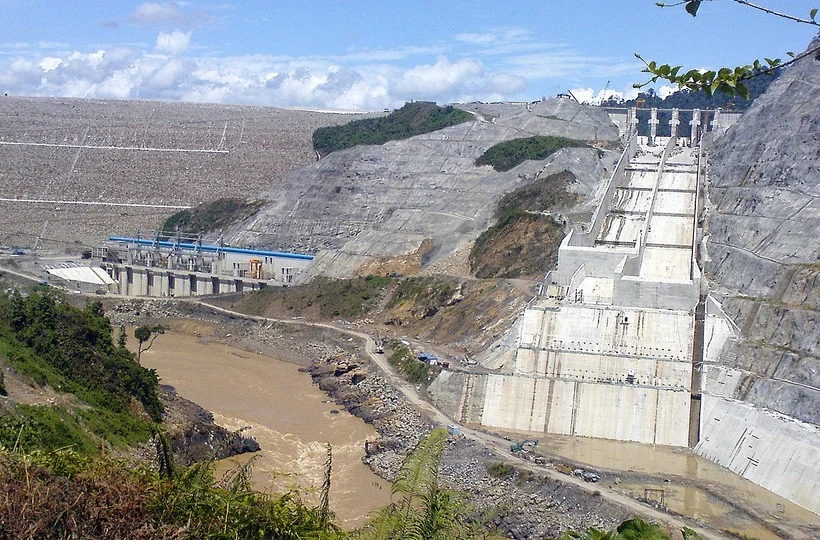
Sarawak relocated 15 longhouse communities in 1998 from the area that would become the Bakun reservoir. Bakun’s generating units began commissioning in 2011, and the plant was fully operational in 2014. Reading both timelines shows why the dam’s consequences for nearby communities began years before it produced electricity.
Reading the project records
Land, livelihood and electricity
Each kind of record answers a different question about the same development.
| Record | What it establishes | What it does not measure by itself |
|---|---|---|
| Resettlement assessment | Where residents were moved and what the project counted | Changes in all households’ access to customary resources |
| Fieldwork with residents | How some families described changes in land use and livelihoods | A numerical outcome that applies to every family |
| Plant commissioning record | When electricity capacity entered service | Whether livelihood changes were resolved |
Chronology
A timeline of the turning points
Government moves longhouse communities
The principal resettlement scheme is at Sungai Asap. Some households make other arrangements.
Generating units begin commissioning
The operator identifies the first year of unit commissioning on the Balui River.
Power plant fully operational
Sarawak Energy’s project records mark the end of staged commissioning.
Studies revisit resettlement
Researchers and the operator examine effects on land use, livelihoods and communities.
How relocation preceded generation
Sarawak Energy’s assessment dates the relocation of 15 longhouse communities to 1998. It also records that some households declined to join the scheme and moved independently. The census figures describe households in the affected area, which is a different count from households that took up the same resettlement offer.
The generating timeline starts over a decade later. The first units were commissioned in 2011 and the project became fully operational in 2014. Those dates answer an engineering question, while 1998 answers when the relocation occurred.
What was lost or replaced
Researchers who interviewed displaced communities describe changes in access to forest resources, customary land and the location of agricultural plots. A home and a farming allotment address part of a household’s needs. A move can also change the journey to land, rivers and places used jointly by a community.
The research adds evidence that cannot be read from the number of houses or from the capacity of the turbines. Its interviews document how participants experienced the changes. Individual circumstances varied, especially where families moved outside the main scheme.
Why the operating project still has a social record
Sarawak Energy’s Indigenous Peoples’ Plan inception report identifies communities to consult about ongoing effects and what measures could be taken. A commissioned plant can generate power while institutions continue to address consequences of its development.
Comparing the operator’s documents with fieldwork also helps readers follow changes across time. The operator records how the programme was administered. The interviews provide a view of how land access and household livelihoods looked from some of the communities affected.
Continue the chronology
Related history guides
Connected biographies
People connected to this history
Quick answers
Common questions
- When did Bakun begin generating power?
- Sarawak Energy dates initial unit commissioning to 2011 and full operation to 2014.
- Where were communities relocated for the Bakun project?
- Sungai Asap was the main resettlement area. The operator’s assessment records households that moved independently as well.
Primary and institutional sources
How this history was checked
Dates, legal milestones and historical claims are checked against the official and institutional records below. This article was reviewed on 19 November 2026.