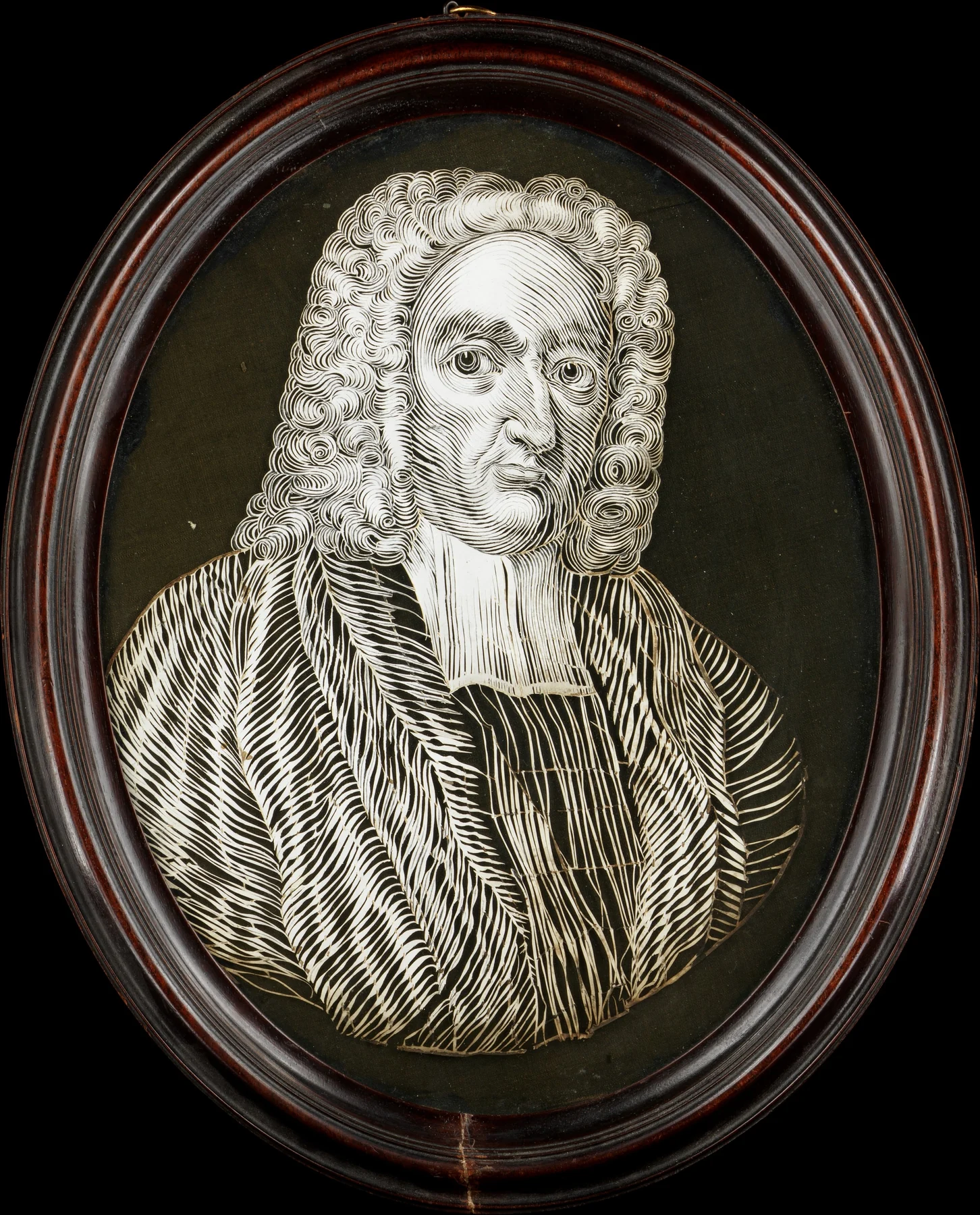
In this biography
Quick facts
- Born
- 28 May 1779
- Died
- 25 February 1852
- Birthplace
- Dublin, Ireland
- Country
- Ireland
- Nationality
- Not independently established
- Known for
- Irish Melodies and a literary career across poetry, satire and biography
- Education
- Trinity College Dublin
- Irish Melodies
- First two numbers, 1808
- Other writing
- Satire, history and biography
Why this life matters
His work helped carry Irish musical material into international print and performance. The surviving records also preserve a distributed creative process in which writing words, arranging music and publishing a collection were separate contributions.
Timeline
Key moments
Birth
Born in Dublin on 28 May.
University
Completed his Trinity studies.
Bermuda office
Received an Admiralty appointment.
Irish Melodies
The first two numbers appeared.
Eighth-number records
Trinity preserves different London and Dublin issues.
Death
Died in Wiltshire on 25 February.
A musical household and education in Dublin
Moore was born in Dublin in 1779. His family’s home included music, and his mother arranged instruction in singing and keyboard playing. He attended Samuel Whyte’s school and later Trinity College. These beginnings joined literary education with performance and musical familiarity. They preceded the London society figure and published poet, and help explain why his professional life could move between written verse, singing and collaboration over printed songs.
Sources for this section: [1]
Travel brought opportunity and financial difficulty
After university Moore studied law in London. He obtained an Admiralty appointment in Bermuda in 1803, but returned to England the following year. The National Portrait Gallery’s account records the financial consequences when the deputy he left behind absconded. A later period abroad included contact with Byron in Italy. These experiences belong to a working life in which patronage, offices, travel and writing were intertwined, rather than a simple progression from youthful talent to secure literary success.
The Melodies were a collaborative publishing project
James and William Power commissioned a song collection drawing on Irish airs. Moore supplied new words; Sir John Stevenson provided arrangements, with Henry Rowley Bishop involved in later numbers. Trinity dates the first two numbers to 1808. The title pages preserved by Boston College visibly distinguish words from symphonies and accompaniments. Those printed credits place Moore’s contribution within a larger musical and publishing process. They do not identify him as the sole creator of every melody or accompaniment.
The published range extended beyond song texts
Moore also wrote satire, extended poems, history and biography. Lalla Rookh reached a European audience, while his connection with Byron led to biographical work. The National Library’s account stresses the breadth of this output alongside the familiar songs. Different editions and collections subsequently presented it in different forms. His literary reputation therefore involved more than a single role: he could be a lyricist, a prose author and a writer responding to political and social circumstances.
Later collections preserve the work in several forms
Moore died in Wiltshire on 25 February 1852. Manuscripts, printed editions and other materials now survive in institutional collections, including the National Library of Ireland. They preserve a career whose reception crossed borders while remaining closely connected with Irish cultural material. The records allow readers to follow both the individual writer and the changing collaborations around the work. A later edition’s title, arranger credit or date is part of that continuing history, rather than a substitute for the whole career.
Quick answers
Frequently asked questions about Thomas Moore
- Did Moore compose every part of Irish Melodies?
- The inspected records separately credit his words, arrangements and the older airs used in the project.
- Do all numbers have the same arranger credit?
- No. Trinity’s records identify Bishop for a London eighth number and Stevenson for a Dublin counterpart.
Keep exploring
Lives connected to this story
- Oliver Goldsmith
Compare another Irish writer’s professional life between Dublin and London.
- Maria Edgeworth
Compare another writer working with Irish material for audiences beyond Ireland.
Sources and further reading
Explore the evidence
These references support the biography and offer further reading. Official records, first-person accounts and independent reporting provide different perspectives; image records document attribution and licensing.
- 1. Dictionary of Irish Biography / Royal Irish AcademyThomas Moore
Selected childhood, education and early-career paragraphs were read in retained indexed output; direct origin redirected unsuccessfully.
- 2. National Portrait GalleryThomas Moore: poet and biographer
Only the retained indexed sitter biography was read; direct origin returned 403. No portrait licence follows from institutional availability.
- 3. Academy of American PoetsThomas Moore: biographical note
Short biography only. Later-edition dates are not substituted for first-work dates, and no poems or recordings were consumed for this packet.
- 4. Trinity College Dublin LibraryIrish folk music: Irish Melodies exhibits
Selected Moore entries and the two 1821 eighth-number records were read in retained indexed output after an empty 202 origin response. No complete score was read or performed.
- 5. Boston College LibrariesThomas Moore: Harp Traditions of Ireland
The modern narrative and two displayed whole title-page frames were inspected. One image is labelled an advertisement but visibly shows a Second Number title page; no advertisement text is claimed read.
- 6. National Library of IrelandThomas Moore Returns to the Centre Stage
The 2026 article was read for literary range and collection context. Its planned concert broadcast was not watched or independently confirmed; its series end-date is not adopted.
- 7. Boston College Libraries, original printed title pageIrish Melodies: displayed Philadelphia title page
- 8. Boston College Libraries, original printed title pageIrish Melodies: displayed Second Number title page