In this biography
Quick facts
- Born
- 10 October 1956
- Birthplace
- Osu Huna, Baguia, Baucau, Portuguese Timor
- Country
- Timor-Leste
- Nationality
- Timorese
- Known for
- Leading FALINTIL, building the national defence force and serving as president and prime minister
- Birth name
- José Maria Vasconcelos
- President
- 20 May 2012–20 May 2017
- Prime minister
- 22 June 2018–1 July 2023
- Military transition
- Chief of the F-FDTL from 2002 until demobilisation in 2011
Why this life matters
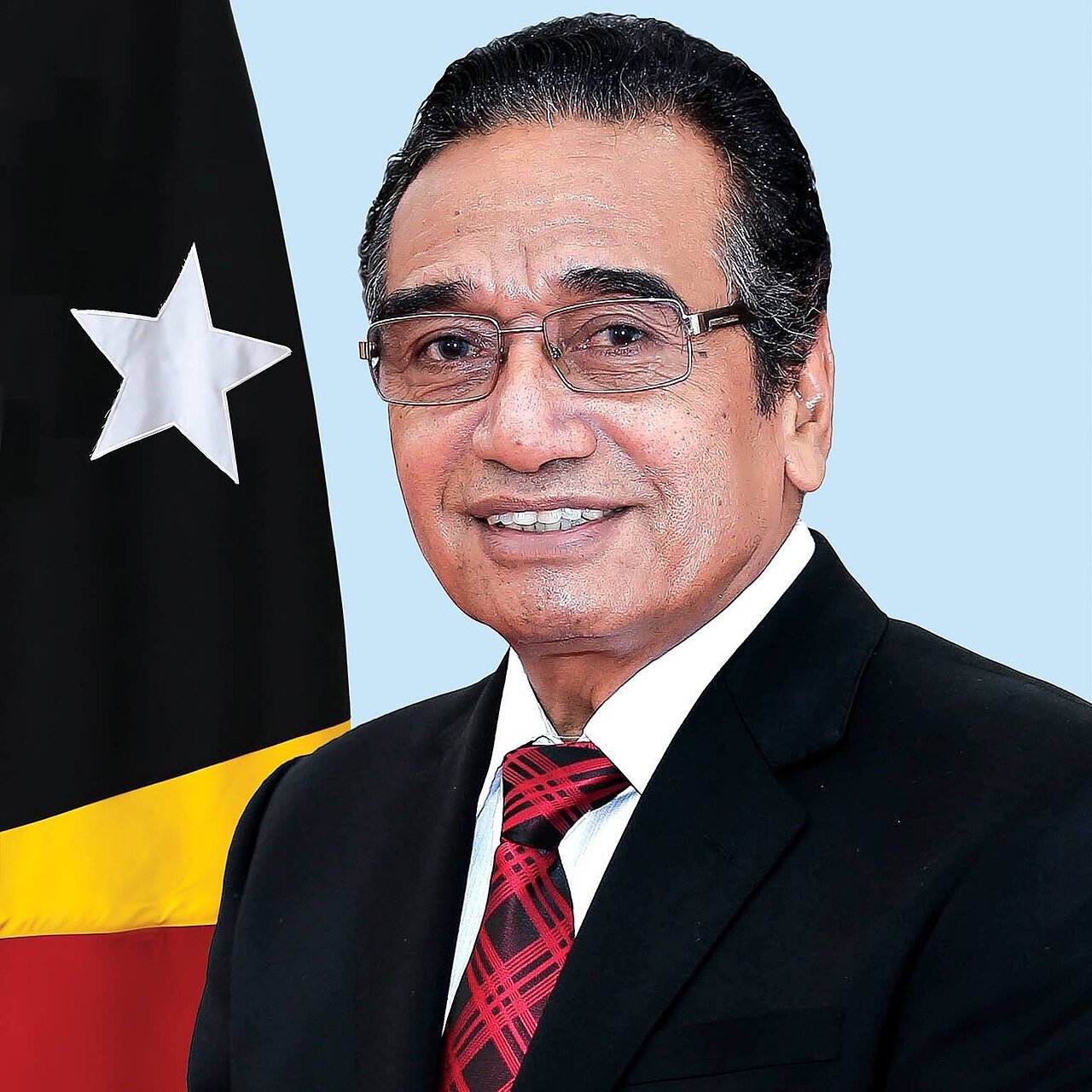
Taur Matan Ruak’s career traces the difficult transition from guerrilla command to a professional military and then to elected civilian office.
Timeline
Key moments
Born in Baguia
Born on 10 October in Osu Huna, in the eastern municipality of Baucau.
Joined FALINTIL
Entered the armed resistance after Indonesia invaded Timor-Leste in December.
Became chief of defence force
Assumed senior command of FALINTIL after the capture of Xanana Gusmão.
Led the national defence force
Became chief of the F-FDTL as the restored independent state established its institutions.
Began a presidential term
Took office as president on 20 May after leaving military service the previous year.
Became prime minister
Led the VIII Constitutional Government after the AMP coalition won an early election.
Completed his premiership
Left office when the IX Constitutional Government led by Xanana Gusmão was sworn in on 1 July.
From the eastern front to national command
Taur Matan Ruak was nineteen when Indonesian forces invaded on 7 December 1975. He joined FALINTIL in the mountains and took responsibility in the centre-east and eastern sectors. As the resistance lost territory and commanders, he moved through increasingly senior positions: assistant to the chief of defence force in 1981, deputy chief in 1983 and commander of military operations from 1986. He became FALINTIL chief of defence force in 1992, the year Xanana Gusmão was captured.
The command structure was never only military. FALINTIL had to survive isolation, protect political networks and fit inside a wider resistance whose clandestine and diplomatic fronts were gaining importance. In 1998 Ruak became deputy commander-in-chief, and in 2000 he assumed command of FALINTIL while its fighters were cantoned during the United Nations transition. That moment required an armed liberation force to accept restraint while the country prepared for restored sovereignty.
Building a defence force and entering politics
Ruak became the first chief of the FALINTIL–Timor-Leste Defence Force in 2002. The new institution inherited the prestige of resistance but also faced the harder work of recruitment, civilian oversight and defining a role inside a constitutional state. The 2006 security crisis exposed fractures between military and police institutions. Ruak remained chief until his official demobilisation on 20 August 2011, ending more than three decades in uniform.
He then entered electoral politics and served as president from 20 May 2012 to 20 May 2017. After forming the Popular Liberation Party, he became prime minister in June 2018 at the head of the Alliance for Change and Progress government. His term included repeated budget and coalition tensions as well as the COVID-19 emergency. He left office on 1 July 2023 when Xanana Gusmão’s ninth constitutional government was sworn in, completing a rare path through guerrilla, military and both presidential and executive leadership.
Quick answers
Frequently asked questions about Taur Matan Ruak
- Who is Taur Matan Ruak?
- Taur Matan Ruak is a resistance commander, president and former prime minister. Taur Matan Ruak’s career traces the difficult transition from guerrilla command to a professional military and then to elected civilian office.
- What is Taur Matan Ruak best known for?
- Taur Matan Ruak is best known for leading FALINTIL, building the national defence force and serving as president and prime minister.
- When and where was Taur Matan Ruak born?
- Taur Matan Ruak was born on 10 October 1956 in Osu Huna, Baguia, Baucau, Portuguese Timor.
Sources and further reading
Explore the evidence
These references support the biography and offer further reading. Official records, first-person accounts and independent reporting provide different perspectives; image records document attribution and licensing.