In this biography
Quick facts
- Born
- 5 May 1933
- Died
- 3 December 2024
- Birthplace
- Shantou, Guangdong, China
- Country
- Singapore
- Nationality
- Singaporean
- Known for
- Winning Singapore’s first Olympic medal with lightweight silver at Rome 1960
- Olympic medal
- Lightweight silver, Rome 1960
- Historic first
- Singapore’s first Olympic medallist
- World record
- Clean and jerk, 1958
- Commonwealth titles
- Lightweight gold, 1958; middleweight gold, 1962
Why this life matters
Tan’s Rome silver remained Singapore’s only Olympic medal for forty-eight years and made his career a foundation of the country’s sporting memory.
Timeline
Key moments
Made his Olympic debut
Represented Singapore in weightlifting at the Melbourne Games.
Won two regional titles and set a world record
Won lightweight gold at the Cardiff Commonwealth Games and Tokyo Asian Games, setting a clean-and-jerk world record at Cardiff.
Won at the first SEAP Games
Took lightweight gold for Singapore at the inaugural South-east Asian Peninsular Games.
Won Olympic silver
Finished second in the lightweight division at the Rome Olympics.
Won a second Commonwealth gold
Moved up to middleweight and won the Perth title.
Made a third Olympic appearance
Competed in middleweight for Malaysia while Singapore was part of the federation.
Died aged 91
Died in Singapore on 3 December.
From Swatow to Singapore’s back-alley gyms
Tan Howe Liang was born in Swatow, now Shantou, in 1933 and moved with his family to Singapore when he was four. The Singapore National Olympic Council (SNOC) describes a childhood shaped by cramped housing and the death of his father. An encounter with a strongman contest at the Gay World amusement park drew him towards weightlifting. In 1952 he joined the Evergreen Weightlifting Party, training in a back alley near Boat Quay rather than in a modern high-performance centre.
Paying for training and travel was part of the challenge. SNOC records jobs including dock work, retail and electrical work; Tan could not rely on the kind of national support later Olympians would know. His first senior national title came in 1953, according to Olympedia. These early details are more than an inspirational preface: they explain the distance between the conditions in which Tan developed and the international standard he soon reached.
Two golds in 1958 and a world record
His first Olympic appearance, at Melbourne in 1956, ended in ninth place in the lightweight class. Two years later he won that class at the British Empire and Commonwealth Games in Cardiff, setting a world record in the clean and jerk, and also took lightweight gold at the Asian Games in Tokyo. Singapore’s Olympic records then list him as a gold medallist at the inaugural South-east Asian Peninsular Games in Bangkok in 1959. Keeping the three competitions distinct matters: they show a sustained run of results, not a single surprising lift in Rome.
The 1958 Cardiff title was in lightweight, while his later 1962 Commonwealth gold in Perth came after a move to middleweight. Short summaries sometimes collapse these two titles or give the 1962 win the wrong category. Olympedia’s competition record and SNOC’s account together support the separate dates and divisions. They also show how he carried his performance across different major games before and after the Olympic silver that made him most famous.
The Rome silver before Singapore’s independence
At the 1960 Rome Olympics, Tan won silver in the lightweight event. Singapore was self-governing but not yet independent; the medal nevertheless entered its national sporting history as its first at an Olympic Games. Singapore’s SG101 historical account records a 380-kilogram total and a 155-kilogram clean and jerk despite severe leg cramps. The National Library Board likewise identifies the medal as a landmark that stood alone for 48 years. The result was an Olympic medal in an individual event, not an Olympic title and not a medal won after independence.
Recognition at home was comparatively modest. SNOC describes a small reception rather than the large public celebrations given to later champions. That difference should not be reduced to a claim that Singapore ignored him entirely: official and sporting institutions did recognise his achievement, but the scale of the response belonged to a very different period of public investment in sport. The next Singapore Olympic medal came from the women’s table-tennis team at Beijing in 2008.
A change of weight class, coaching and later honours
Tan’s career did not stop with the Rome podium. He won the middleweight title at Perth in 1962, then appeared at the 1964 Tokyo Olympics under Malaysia’s flag, because Singapore was then part of that federation. He did not win another Olympic medal. That 1964 appearance is easily lost in retellings that jump directly from the silver medal to retirement; Olympedia distinguishes his three Olympic participations and the countries represented in each.
After competition, Tan coached younger lifters. SNOC names Chua Koon Siong and Tung Chye Hong among those he guided and notes that he also worked outside sport, including a short-lived restaurant and a gym-supervisor role. In 2016 he received an International Olympic Committee Diploma of Merit for his contribution to the Olympic movement. Those later chapters make him more than a one-event symbol: he helped pass practical knowledge to the next generation, even as Singapore’s training systems changed around him.
Why the first medal still matters
Tan died on 3 December 2024 at 91. His silver is often used as the starting point for a story of Singaporean Olympic progress, but it should not eclipse the circumstances of his own career: a migrant childhood, improvised training, self-funded competition, two Commonwealth titles in different classes, and years spent coaching. The comparison with 2008, when a funded national programme helped end the medal drought, is useful precisely because it reveals how the sporting system changed.
The medal also connects several eras that can otherwise seem separate. He competed for Singapore before independence, represented Malaysia during the federation years, and lived to see Singapore win its first Olympic gold in 2016. Placing those dates alongside the actual results avoids turning a real athlete into a simple patriotic slogan. Tan’s achievement was both an individual weightlifting performance and a benchmark later Singapore athletes could measure themselves against.
Quick answers
Frequently asked questions about Tan Howe Liang
- What was Tan Howe Liang’s Olympic medal?
- He won lightweight weightlifting silver at Rome 1960, Singapore’s first Olympic medal. It was not an Olympic gold.
- Did Tan Howe Liang win Singapore’s first Olympic gold?
- No. His 1960 medal was silver. Swimmer Joseph Schooling won Singapore’s first Olympic gold at Rio 2016.
- Why did Tan Howe Liang represent Malaysia at Tokyo 1964?
- Singapore was then part of Malaysia. His 1956 and 1960 Olympic appearances were for Singapore, while his 1964 appearance was under Malaysia’s flag.
- Were Tan Howe Liang’s Commonwealth golds in the same weight division?
- No. He won lightweight gold at Cardiff in 1958, then middleweight gold at Perth in 1962 after moving up a division.
Keep exploring
Lives connected to this story
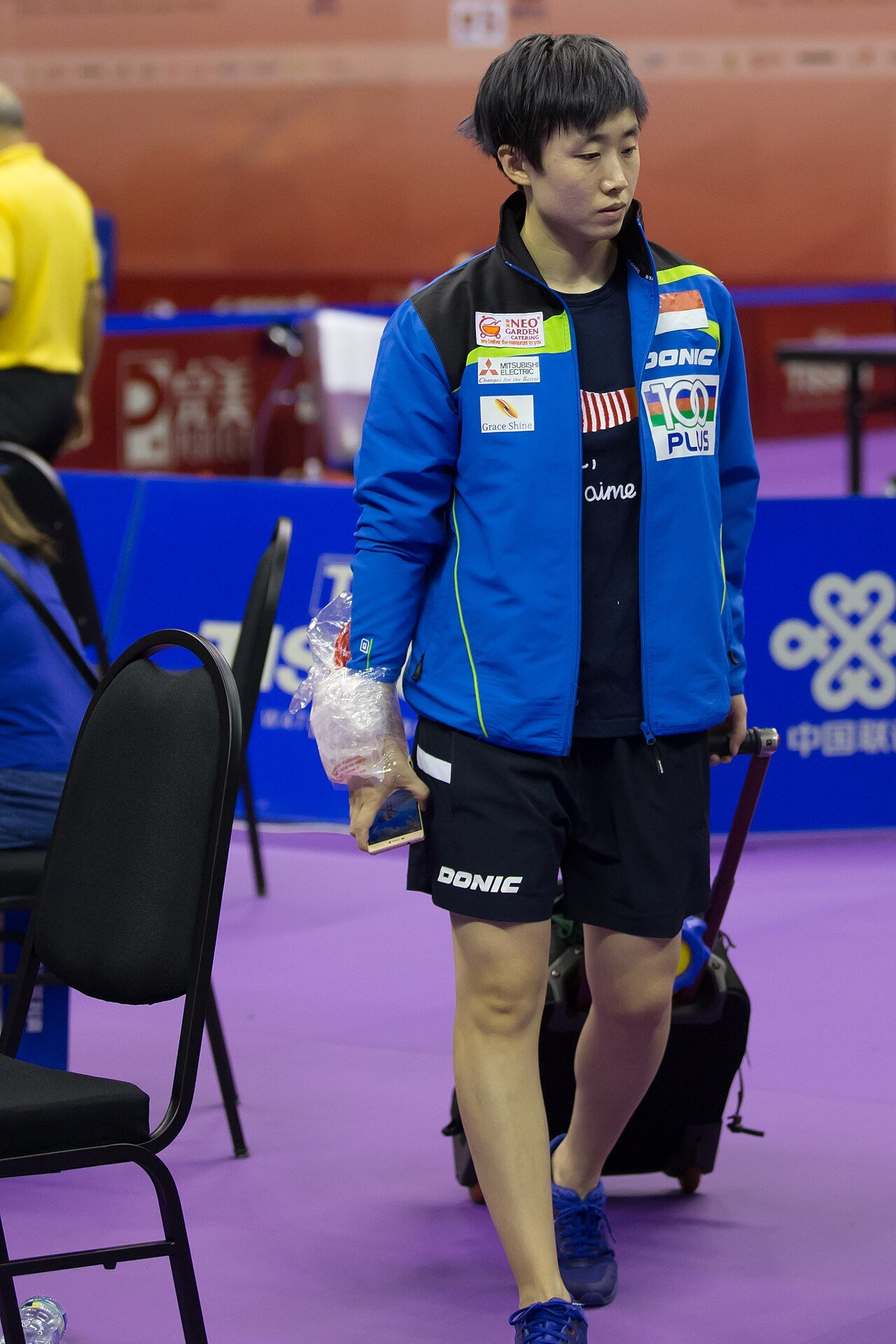
- Feng Tianwei
A member of the table-tennis team that ended Singapore’s 48-year Olympic medal gap.
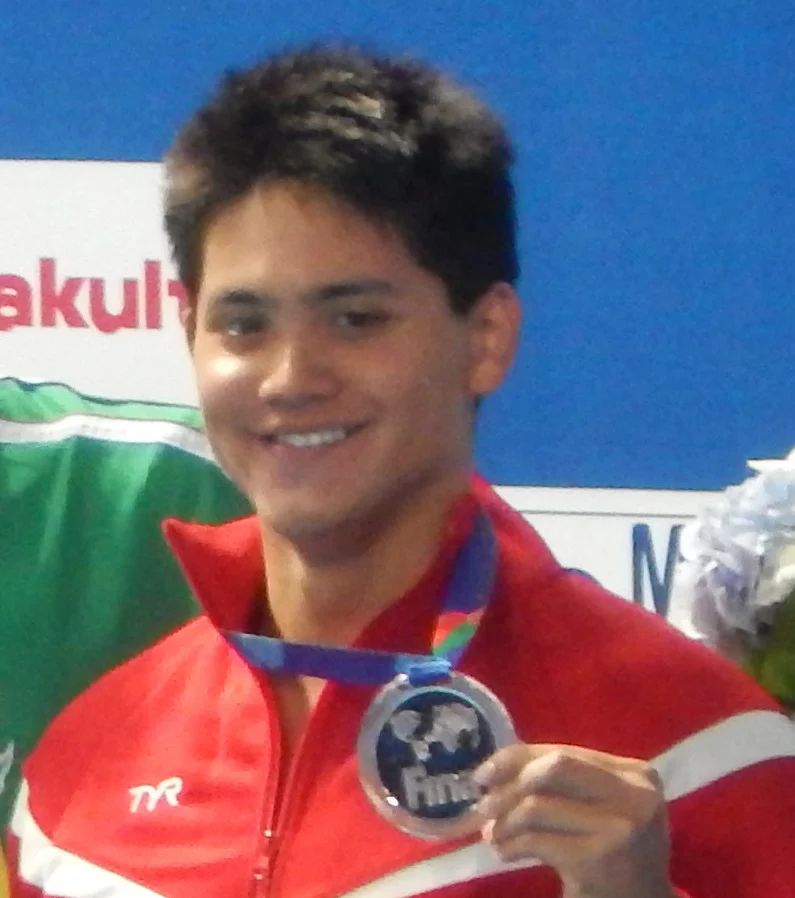
- Joseph Schooling
The swimmer who won Singapore’s first Olympic gold in 2016.
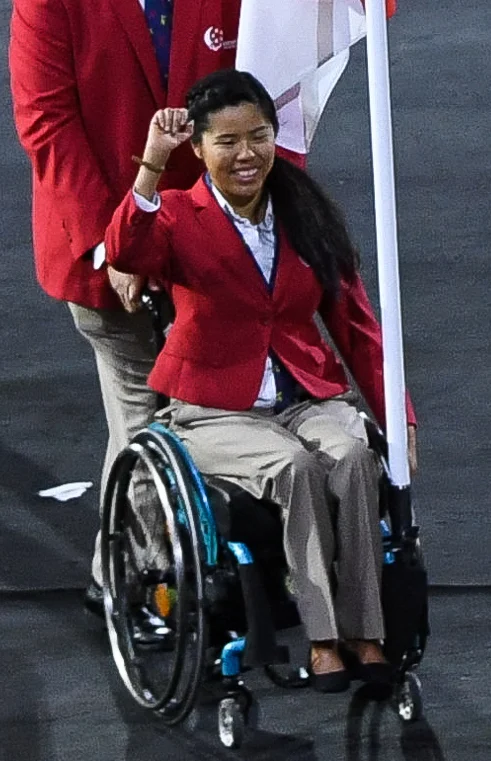
- Yip Pin Xiu
A Singapore Paralympic champion whose 2008 breakthrough belongs to a distinct Games history.
Sources and further reading
Explore the evidence
These references support the biography and offer further reading. Official records, first-person accounts and independent reporting provide different perspectives; image records document attribution and licensing.
- 1. Singapore National Olympic CouncilTan Howe Liang, Singapore’s first Olympic medallist, dies at 91
The obituary was published on 4 December 2024 and reports his death on 3 December. Its stray reference to an Asian Games gold in 1959 is checked against the SNOC winners table, which places his lightweight gold at Tokyo 1958.
- 2. Singapore National Olympic CouncilProject 0812 — Singapore’s Olympic Journey
- 3. OlympediaTan Howe Liang Olympic and Commonwealth results
The Olympic results separate Singapore in 1956 and 1960 from Malaysia in 1964, and distinguish the 1958 lightweight and 1962 middleweight Commonwealth golds. Its erratum notes 23 May 1933 in Commonwealth data but multiple sources supporting the retained 5 May date; no new definitive birthday is inferred from the discrepancy.
- 4. SG101, Singapore GovernmentTan Howe Liang and the Rome 1960 medal
The government history gives the Rome lifting figures; they refer to the pre-independence Singapore result, not a later Olympic appearance.
- 5. National Library Board, SingaporeSporting Glory: Singapore on the World Stage
- 6. Singapore National Olympic CouncilAsian Games medal winners
- 7. Singapore National Olympic CouncilSEAP Games medal winners, 1959–1975
- 8. Singapore National Olympic CouncilIOC honours three Singaporeans for contribution to the Olympic movement
- 9. Wikimedia CommonsTan Howe Liang — image and licence record
The displayed 2008 portrait retains the full Commons crop frame. The file page credits the original photographer and Jacklee’s crop and documents CC BY 2.0 reuse; it is not a photograph from the 1960 Rome Games.