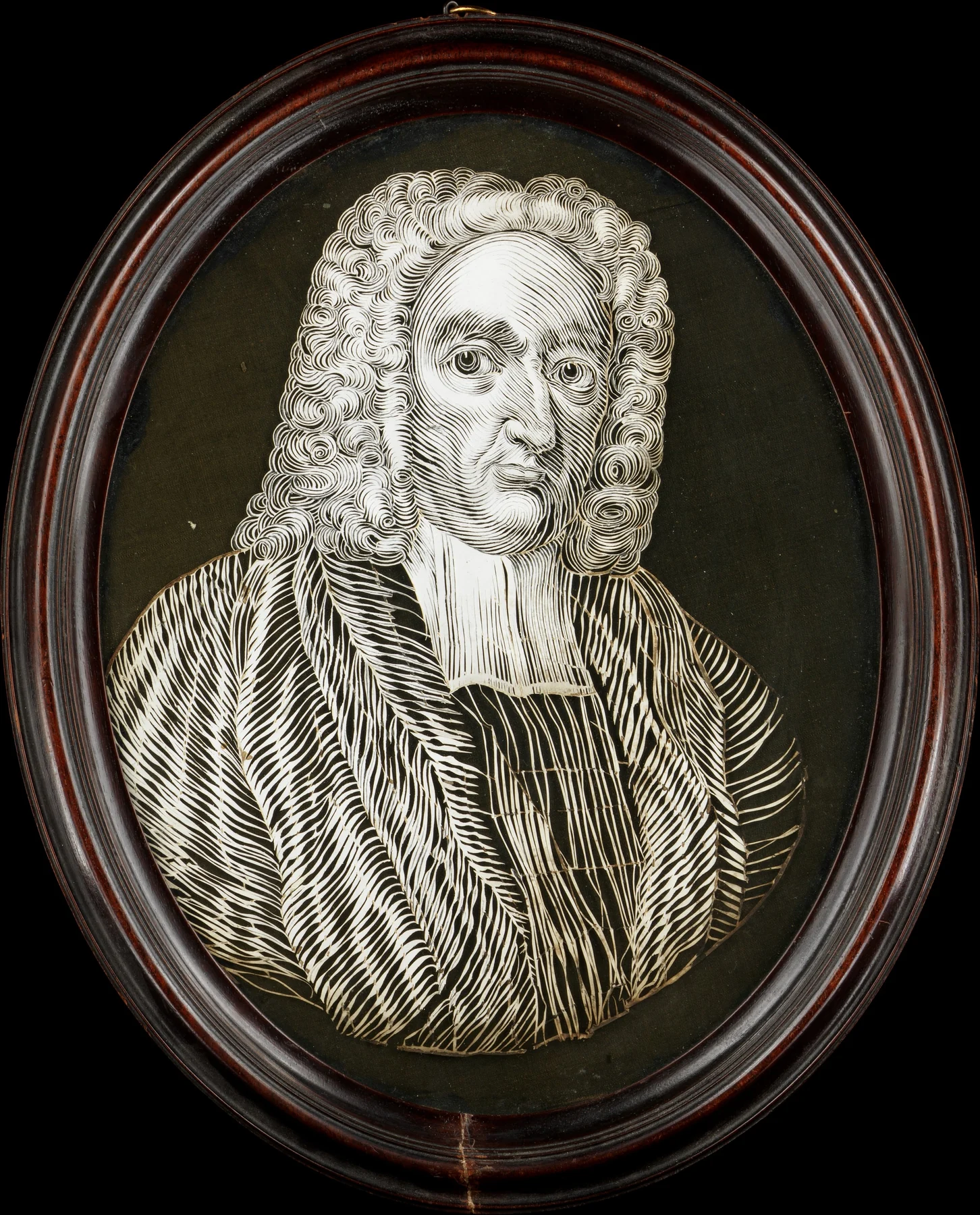
In this biography
Quick facts
- Born
- 1814
- Died
- 7 February 1873
- Birthplace
- Dublin, Ireland
- Country
- Ireland
- Nationality
- Not independently established
- Known for
- Uncle Silas, supernatural fiction and Dublin journalism
- Education
- Trinity and legal studies
- Periodical
- Dublin University Magazine
- Novel
- Uncle Silas, 1864
Why this life matters
His working life connects the production of fiction with the infrastructure of the press. Later accounts preserve both the variety of his writing and the need to distinguish an author’s life from the mysterious characters he created.
Timeline
Key moments
Birth
Born in Dublin; the inspected sources differ on the day.
Trinity College
Entered the college in October.
Early story
The Ghost and the Bonesetter appeared in January.
Magazine role
Became owner and editor of Dublin University Magazine in the memorial account.
Uncle Silas
The novel was published.
Death
Died at Merrion Square on 7 February.
Family and place shaped the early setting
Le Fanu was born in Dublin in 1814 to a family with Huguenot, English and Irish connections. His father was a Church of Ireland clergyman, and the family lived near Chapelizod after moving to the Royal Hibernian Military School. The Oxford account also traces a later move to Abington in County Limerick. These places provided more than a single national background: they joined religious institutions, family memory and local surroundings within the world in which he grew up.
Legal education led towards literary employment
Le Fanu entered Trinity in 1832 and studied at King’s Inns. The memorial records a BA in 1837 and a later call to the Bar, followed by literary employment. His early story The Ghost and the Bonesetter appeared in January 1838.
Sources for this section: [3]
Newspapers formed part of his working organisation
Le Fanu became involved in newspaper ownership and editing, including the Dublin Evening Mail. Dublin City Libraries connects that paper with Bram Stoker’s theatre reviewing. The relationship places Le Fanu within the city’s press and theatrical culture, rather than only within the solitary image attached to ghost-story writing. Places around Chapelizod and the Phoenix Park also entered his fiction. The city was simultaneously a lived environment, a publishing centre and material for imaginative work. The city library specifically connects his childhood surroundings with The House by the Churchyard, bringing a named work into this relationship between the Dublin environment and imaginative writing.
Sources for this section: [2]
Longer fiction developed alongside the magazine work
The college memorial dates The Cock and Anchor to 1845, The House by the Churchyard to 1863 and Uncle Silas to 1864. From 1861 he also owned and edited Dublin University Magazine. Fiction and the practical responsibilities of publishing developed alongside one another.
Sources for this section: [3]
Later recollection needs to remain distinct from fiction
Le Fanu died in 1873. Later family recollections of his working habits were incorporated into the college memorial, which also compares him with a fictional character. That comparison is interpretation, not a literal diagnosis. His professional legacy connects fiction with the press.
Quick answers
Frequently asked questions about Sheridan Le Fanu
- Why is no exact birth day given?
- The public Oxford extract and city library say 24 August, while the college memorial says 28 August.
- Was Le Fanu only a novelist?
- His professional work also included newspapers, magazine editing, stories and verse.
Keep exploring
Lives connected to this story
- Bram Stoker
Follow the later novelist connected by Dublin City Libraries with theatre reviewing for Le Fanu’s newspaper.
- John Millington Synge
Compare another writer’s transformation of local observation and speech into a distinct literary practice.
Sources and further reading
Explore the evidence
These references support the biography and offer further reading. Official records, first-person accounts and independent reporting provide different perspectives; image records document attribution and licensing.
- 1. Oxford Dictionary of National BiographyLe Fanu, (Joseph Thomas) Sheridan: public extract
Only the public extract was read in retained indexed output; the full subscription biography was not accessed. It gives 24 August 1814.
- 2. Dublin City Council LibrariesJoseph Sheridan Le Fanu
The actual city-library article gives 24 August 1814 and the newspaper connection to Stoker. No full Stoker review or personal mentorship correspondence was read.
- 3. T. S. C. Dagg / Trinity College DublinJoseph Sheridan Le Fanu: memorial discourse, 13 June 1949
Selected biographical paragraphs in the cached seven-page 1949 discourse were read; direct origin returned an empty 202. It gives 28 August 1814, so the biography uses year only. Poetry, celebratory racial rhetoric and unsupported character-to-author diagnosis are not adopted. No novel or adaptation was read or viewed.