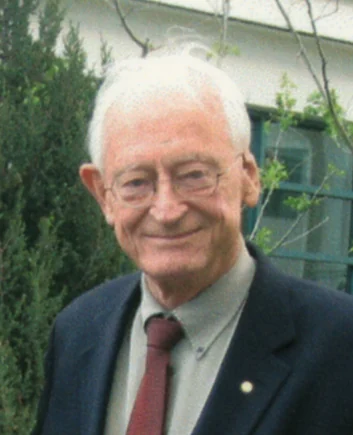
In this biography
Quick facts
- Born
- 1937
- Died
- 2024
- Birthplace
- Not independently established
- Country
- New Zealand
- Nationality
- Not independently established
- Known for
- A Māori master carver whose work and teaching connected whakairo with communities, meeting houses and public commissions.
Why this life matters
A Māori master carver whose work and teaching connected whakairo with communities, meeting houses and public commissions.
Timeline
Key moments
Learning through a meeting-house project
Rangi Hetet began his carving apprenticeship at seventeen while working on the Tāpeka meeting house at Waihi marae. He later trained under Hone Taiapa in Rotorua. These beginnings connected technical learning with a community project from the outset. Whakairo involved more than the production of a separate object for an individual viewer. Carving took its place within a building, a history of people and the relationships through which knowledge was taught and carried forward by those working together.
Teaching and bringing work to new audiences
Hetet developed a long career carving meeting houses and waka and passing on skills to others. With the weaver Erenora Puketapu-Hetet, he participated in the Te Māori exhibition that toured the United States in 1984. That event brought Māori art into new institutional encounters while making the relationship with living practitioners visible. A 2016 Dowse exhibition later presented the work of the couple through a project prepared by their children. The family’s role connected the objects with the continuing transmission of artistic knowledge.
Sources for this section: [3]
A commission with a documented meaning
His 1990s culpture Te Tiriti commemorated 150 years since the Treaty of Waitangi. Made in tōtara, its back-to-back figures hold a quill and an adze, as explained by the Royal Collection’s record. The people of Waikawa marae presented it to Queen Elizabeth II. This object gives a specific example of how a commission, a material and a symbolic arrangement could work together. Hetet’s contribution encompasses such finished carvings and the less easily isolated labour of teaching, allowing a practice to remain active through other people as well as surviving objects.
Quick answers
Frequently asked questions about Rangi Hetet
- What is Rangi Hetet known for?
- A Māori master carver whose work and teaching connected whakairo with communities, meeting houses and public commissions.
Keep exploring
Lives connected to this story
- Bill Reid
Compare Bill Reid through the separate biography and evidence-led guide on this artist’s practice.
- Len Castle
Compare Len Castle’s material experiments and the distinction between ceramic processes and volcanic references.
Sources and further reading
Explore the evidence
These references support the biography and offer further reading. Official records, first-person accounts and independent reporting provide different perspectives; image records document attribution and licensing.