In this biography
Quick facts
- Born
- 18 February 1957
- Birthplace
- Perth, Western Australia
- Country
- Australia
- Nationality
- Australian
- Known for
- Benang, That Deadman Dance, Taboo and Wirlomin Noongar language and stories work
- First novel
- True Country, 1993
- Miles Franklin awards
- Benang, 2000; That Deadman Dance, 2011
- Collaborative life writing
- Kayang and Me, with Hazel Brown, 2005
- Community project
- Wirlomin Noongar Language and Stories
Why this life matters
Scott’s writing examines who has authority to describe a life or a place, while his community work helps return archival stories to the descendants of their tellers.
Timeline
Key moments
Born in Perth
Later grows up on Western Australia’s south coast.
Early novels and recognition
True Country precedes Benang, published in 1999 and awarded the Miles Franklin in 2000.
Kayang and Me
Co-authors the family and community work with Hazel Brown.
That Deadman Dance
The novel appears in 2010 and receives the Miles Franklin the following year.
Taboo
A later novel receives the 2018 Indigenous Writers’ Prize.
Literacy and community work
Street Library Australia announces his patronage; Wirlomin lists him as a committee member.
Teaching and a south-coast upbringing shaped the writing
Kim John Scott was born in Perth on 18 February 1957 and grew up in the Albany region. In a 2001 oral-history interview, he recalled going to Perth for university and later teaching in different parts of Western Australia. His account describes a developing understanding of family and Noongar identity, not a childhood untouched by the effects of colonisation.
He began writing for publication around his work as a secondary English teacher. True Country appeared in 1993. Fiction provided a way to explore experience without reducing it to a factual report about one school or a single family. The publisher’s biography identifies teaching as the setting in which his writing career developed.
Benang brought family research into conflict with official records
Published in 1999, Benang follows a family story entangled with racial classification and assimilation. Scott described its development as an encounter between his own search and the language of state archives. Family knowledge offered something that official records alone could not provide.
The novel received the Miles Franklin Award in 2000, making him its first Indigenous Australian winner. That date is separate from publication. In a later Overland interview he reflected on trying to reshape the archive’s imposed categories through fiction, while acknowledging readers who found the novel demanding. Recognition did not remove its deliberately difficult questions about identity and authority.
That Deadman Dance looked further back at contact and exchange
That Deadman Dance appeared in 2010 and won the Miles Franklin in 2011. Set around what is now Albany, it explores encounters among Noongar people, British colonists and American whalers. Its central figure, Bobby Wabalanginy, moves between communities whose relationships do not remain equal.
The later novel Taboo returned to questions of place, history and community. It won the 2018 Indigenous Writers’ Prize. These are distinct books with different narrative settings, rather than interchangeable versions of an award-winning formula. The prize records help locate their reception without replacing the stories themselves.
Kayang and Me opened onto a collective body of work
Scott co-authored Kayang and Me with elder Hazel Brown in 2005. Wirlomin Noongar Language and Stories describes both as founders and explains how that work helped initiate a growing archive. Some later stories emerged from family knowledge, others from archival material returned to community workshops.
The project brings together people with genealogical and social connections to the earlier storytellers. Its account identifies Gerhardt Laves’s 1931 field notes as one source. Scott is therefore a participant in a collective undertaking, not the sole owner or originator of every story subsequently published in bilingual form.
Sources for this section: [9]
A public literary role coexists with community responsibilities
On 10 March 2026, Street Library Australia announced Scott as a patron, connecting his writing with its work promoting literacy and community access to books. Its account also records his teaching role and public recognition in Western Australia.
Wirlomin’s current committee page lists Scott as a member and Graeme Miniter as chairperson. That distinction matters when older institutional introductions call Scott the project’s chair. His fiction and language work are connected, but neither should be treated as a claim to represent every Noongar person or every Indigenous Australian experience.
Quick answers
Frequently asked questions about Kim Scott
- Is this Kim Scott the author of Radical Candor?
- No. This is Kim John Scott, the Australian Noongar novelist born in 1957, not the American management writer.
- When did Benang win the Miles Franklin?
- 2000, after its original publication in 1999. His second win was for That Deadman Dance in 2011.
- Who wrote Kayang and Me?
- Hazel Brown and Kim Scott co-authored the 2005 book. It is part of the background to a wider community archive and language project.
- Is Scott currently Wirlomin’s chairperson?
- The committee page reviewed for this article lists Graeme Miniter as chairperson and Scott as a committee member.
Keep exploring
Lives connected to this story
- Anita Heiss
Compare another First Nations writer’s use of fiction, language and publishing to challenge inherited accounts of Australian life.
- Tim Winton
Compare a different Western Australian novelist’s approaches to place and relationships; this does not imply a shared cultural perspective.
Sources and further reading
Explore the evidence
These references support the biography and offer further reading. Official records, first-person accounts and independent reporting provide different perspectives; image records document attribution and licensing.
- 1. City of Cockburn / Kim Scott and Leonie StellaInterview with Kim Scott, 27 August 2001: edited transcript
Selected edited transcript passages were read: self-identification, birth, upbringing, teaching and archives. No full audio listening or private family-archive review claimed; uncertain Perth suburb is not asserted.
- 2. Fremantle PressBenang: 2017 Treasures edition, author biography and award record
The displayed 2017 date describes a Treasures edition. Original 1999 publication and 2000 award are controlled separately; current edition page count is not treated as universal.
- 3. Fremantle Press2025 rights catalogue: Benang’s June 2024 anniversary edition and original bibliography
- 4. Overland / Samuel J Cox and Kim ScottWriting from the South: interview conducted October 2023, published Winter 2024
- 5. US National Archives, Obama Presidential LibraryKim Scott: Australian author, 1957; That Deadman Dance collection record
- 6. Pan Macmillan AustraliaThat Deadman Dance: October 2010 edition, setting and award chronology
- 7. Curtin UniversityKim Scott wins second Miles Franklin: original report, 24 June 2011
The substantive report is dated June 2011 despite a 2022 page-update label. Its old departmental affiliation is not presented as current.
- 8. State Library of New South WalesIndigenous Writers’ Prize: 2022 Heiss and 2018 Scott results
- 9. Wirlomin Noongar Language and StoriesBooks: community workshops, Hazel Brown, Kim Scott and archival stories
- 10. Street Library AustraliaIntroducing our new patron, Kim Scott, 10 March 2026
- 11. Wirlomin Noongar Language and StoriesCommittee: current office holders and Kim Scott’s membership
Current committee roster controls the named chair over older profiles. Cultural renewal is collective work, not individual ownership of community knowledge.
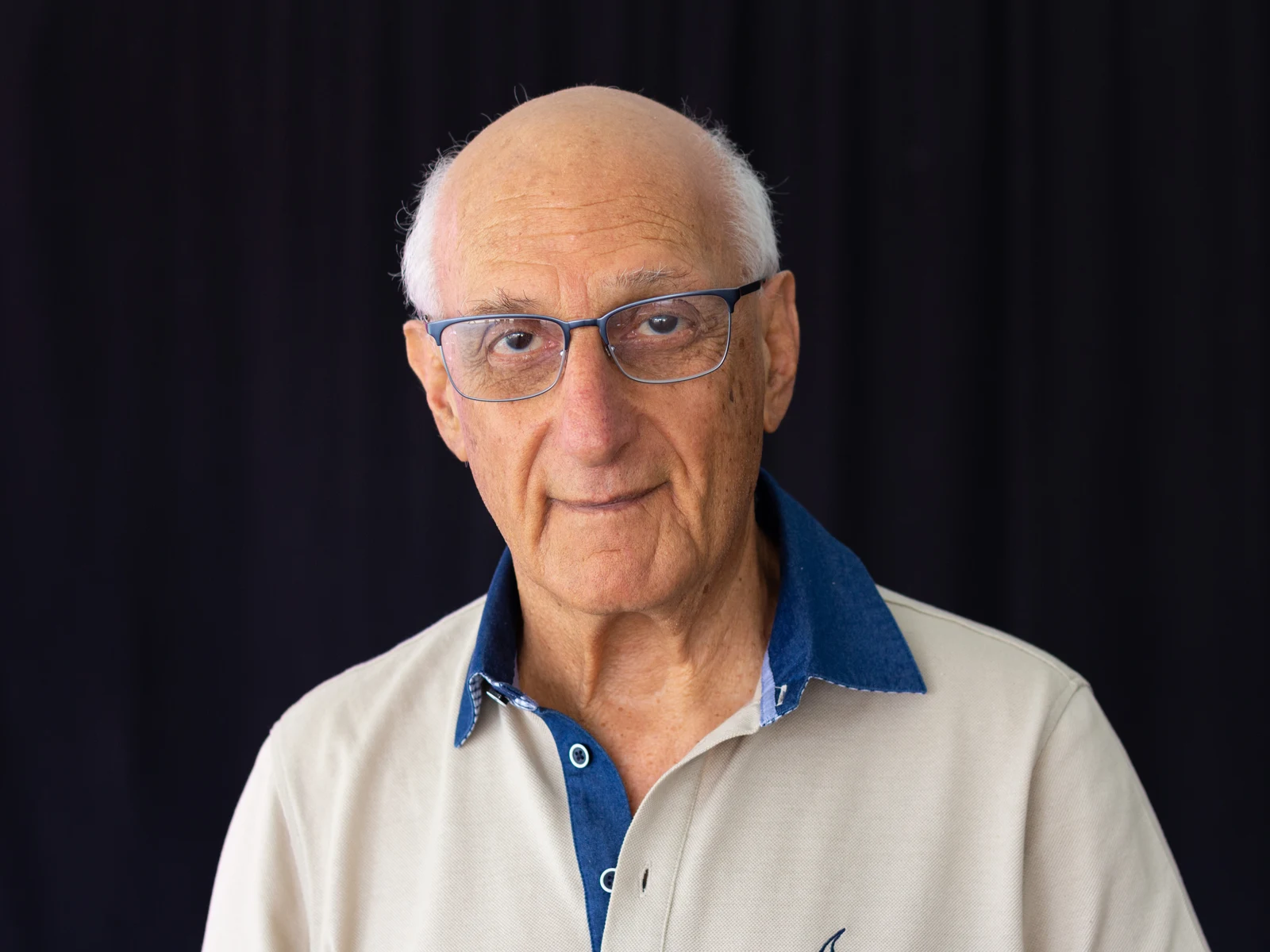
- 12. Wikimedia Commons / GnangarraNoongarpedia gnangarra 26-jan-16-106.JPG: own-work portrait and CC BY 2.5 Australia grant
Exact creator Gnangarra’s own-work record transcludes a personal CC BY 2.5 Australia grant and explicit attribution wording. January 2016 date is used because the filename says 26-Jan while the creator’s capture field says 28 January. Whole supplied original, no additional crop.