In this biography
Quick facts
- Born
- 26 July 1980
- Birthplace
- Hamilton, New Zealand
- Country
- New Zealand
- Nationality
- Not independently established
- Known for
- Leadership through national crises
- Formal premiership
- 26 October 2017–25 January 2023
Why this life matters
Her career invites comparison between the authority to form a government, leadership during an emergency and the evidence needed to judge a policy’s results.
Timeline
Key moments
Enters Parliament
Elected as a list member.
Leaves Parliament
Mount Albert service ends in April.
Education and work before Parliament
Ardern earned a Bachelor of Communication Studies at Waikato in 2001, studying public relations and political science. She worked for Phil Goff and Helen Clark before taking policy roles in Britain’s Cabinet Office and Home Office.
This route placed research and administration before national party leadership. It also helps explain why a political biography needs to follow work outside an elected chamber, rather than beginning with the premiership.
Sources for this section: [1]
From list member to coalition prime minister
She entered Parliament as a Labour list member in 2008, won the Mount Albert by-election in February 2017 and became party leader that August. Labour’s subsequent government depended on a coalition with New Zealand First and support from the Greens.
Her formal term as prime minister began on 26 October 2017.
Crises, reform and a changed mandate
Her government changed gun laws after the Christchurch mosque attacks and pursued child-poverty reduction, climate legislation and mental-health policy.
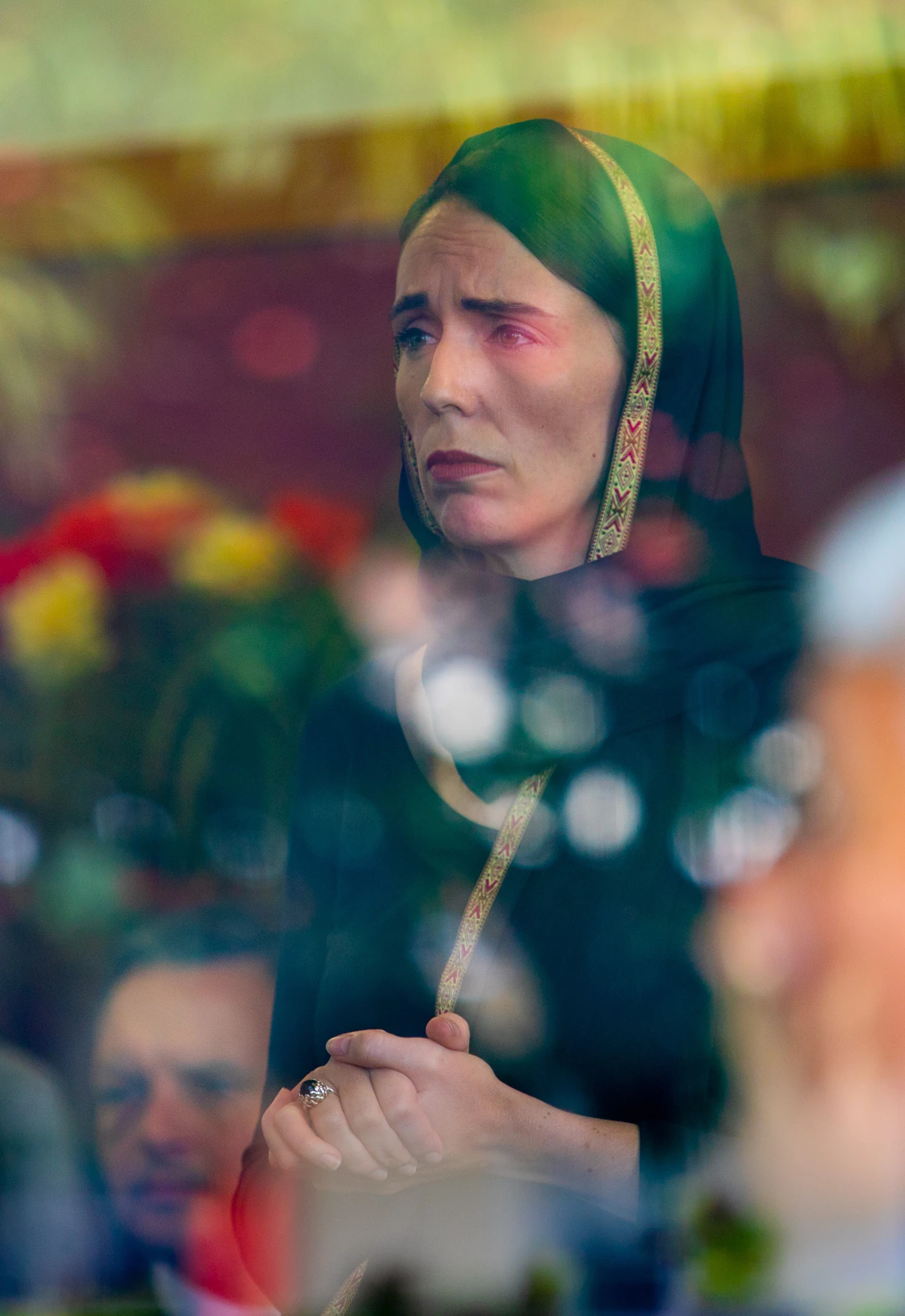
Her response to the March 2019 attacks drew international attention. The COVID-19 emergency dominated the next phase; Labour then won an outright parliamentary majority in the 2020 election.
The Wellbeing Budget paired Ardern’s priorities with Finance Minister Grant Robertson’s account of a wider approach to public spending.
Crisis leadership and programme delivery pose different questions. A decisive public response does not, by itself, establish how much of a later appropriation reached a service or what changed for its users.
Leaving office and writing about leadership
Ardern announced her resignation in January 2023; Chris Hipkins succeeded her.
Her parliamentary service ended that April.
She later published the memoir A Different Kind of Power.
The change from governing to retrospective narration adds a participant’s perspective to the record. Readers can compare that perspective with the parliamentary dates and contemporary policy documents without treating any one genre as the whole career.
Quick answers
Frequently asked questions about Jacinda Ardern
- Did the later electoral majority erase the earlier coalition?
- No. Those were different parliamentary settings; read each government’s support arrangements in its own period.
Keep exploring
Lives connected to this story
- Helen Clark
Read another leadership career.
- John Key
Compare another route into the premiership.
Sources and further reading
Explore the evidence
These references support the biography and offer further reading. Official records, first-person accounts and independent reporting provide different perspectives; image records document attribution and licensing.
- 1. University of WaikatoDame Jacinda Ardern
Promotional institutional perspective; current external board memberships not adopted. No memoir read.
- 2. Neill Atkinson, NZHistoryJacinda Ardern
Historical synthesis, not an independent evaluation of every policy outcome.
- 3. New Zealand ParliamentArdern, Jacinda: former member
Election date and roll entry date are not silently treated as the same event.
- 4. Museum of New Zealand Te Papa TongarewaDame Jacinda Ardern: person record
Person metadata, not permission to reuse associated photographs.
- 5. New Zealand TreasuryThe Wellbeing Budget 2019
Served HTML is marked superseded and updated 14 May 2020; issued 30 May 2019. Not the entire budget or an outcome evaluation.