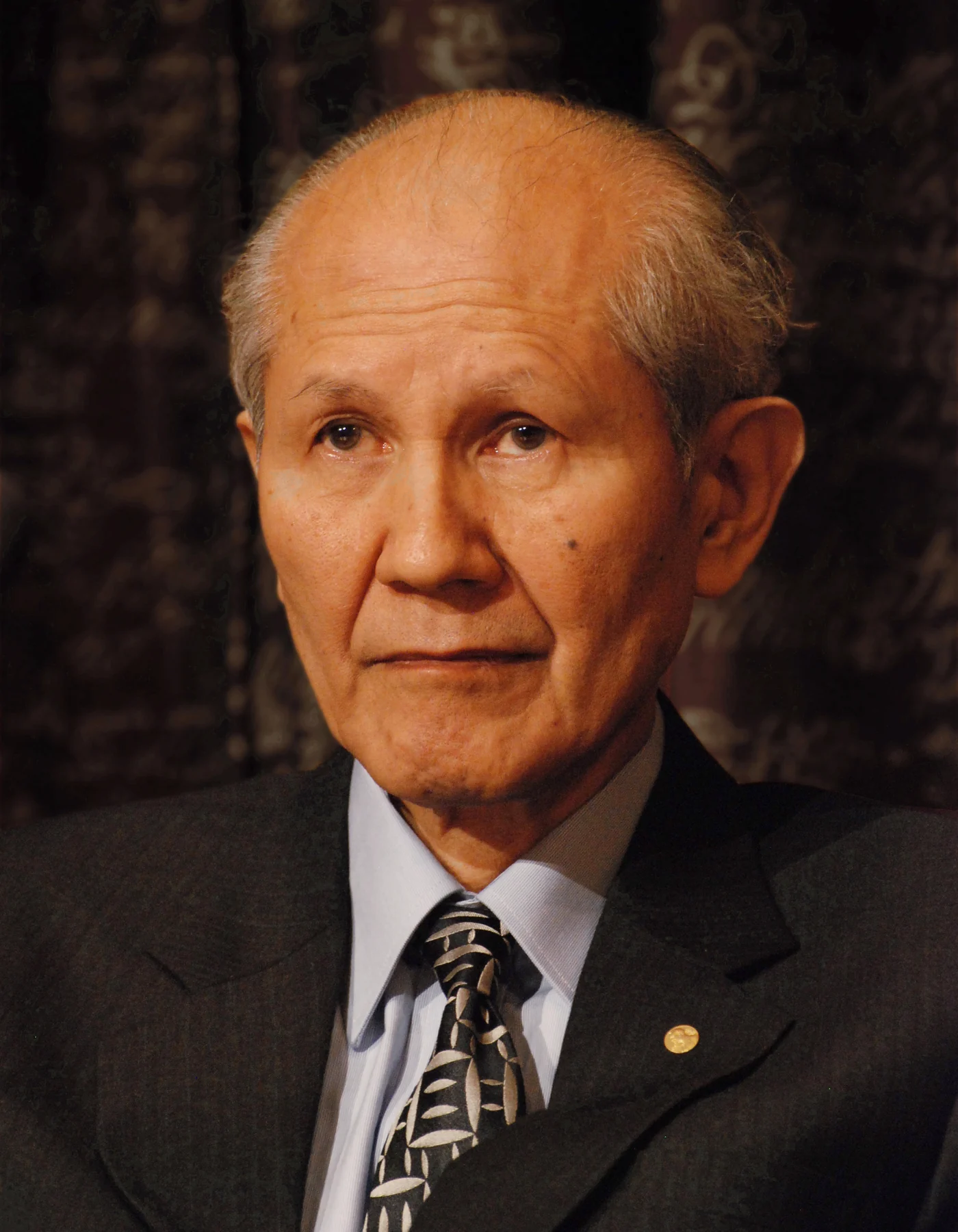
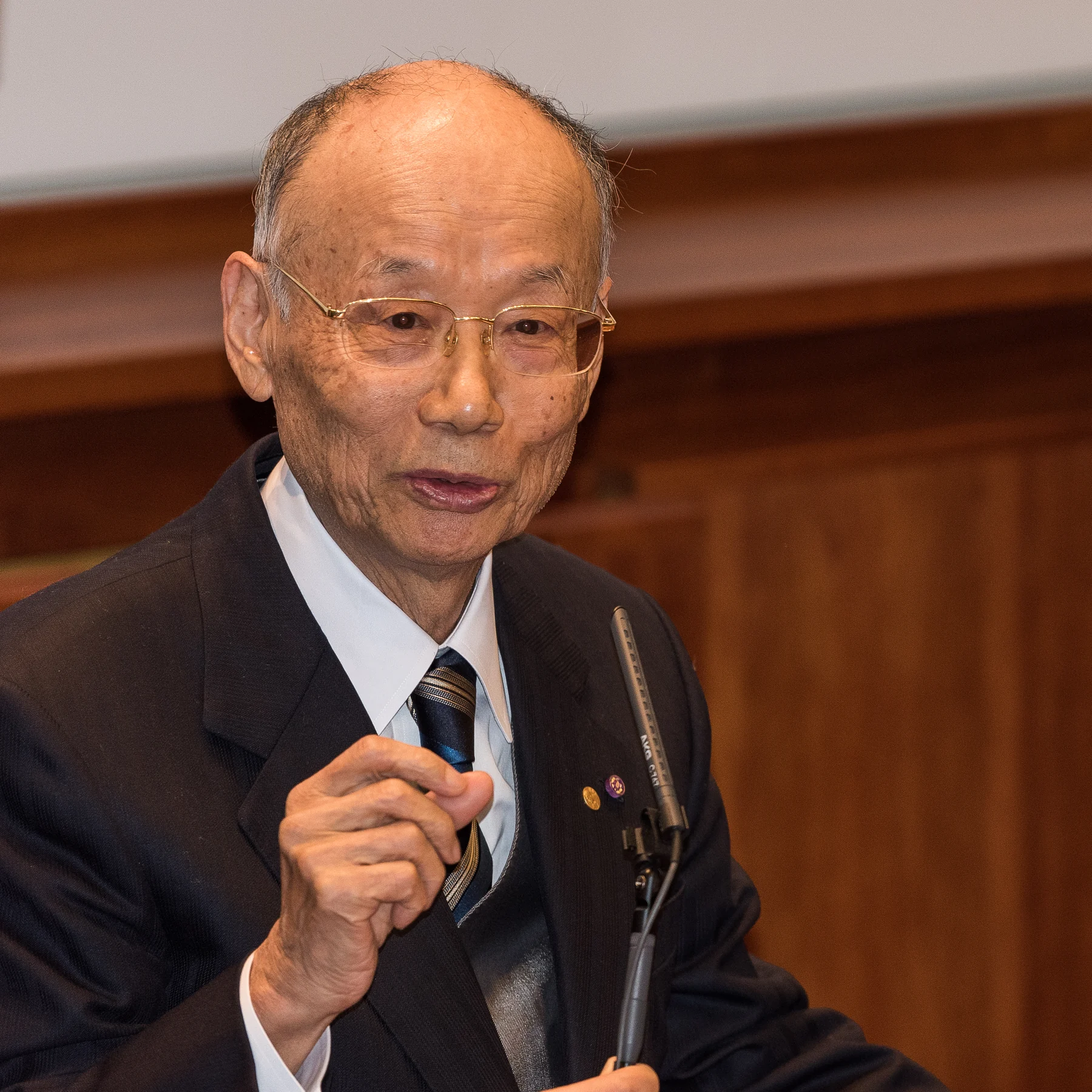
In this biography
Quick facts
- Born
- 1933
- Died
- 5 June 2024
- Birthplace
- Akita Prefecture, Japan
- Country
- Japan
- Nationality
- Not independently established
- Known for
- Statin research
- Collaborating researcher
- M. Kuroda
- University move
- January 1979
Why this life matters
His screening programme connected microbial products with a specific biochemical target.
Timeline
Key moments
Industry
Joined Sankyo.
Training
Completed the doctorate before US research.
University research
Joined Tokyo Noko University.
Microorganisms and industrial research
Endo studied at Tohoku University and joined Sankyo after graduating in 1957.
Early industrial work on pectinase led to his doctorate in 1966. Training in New York with Bernard Horecker and Lawrence Rothfield followed.
This earlier work matters: the later screening programme grew from experience with microorganisms, enzymes and an industrial research organisation.
Screening with collaborators
At Sankyo he pursued microbial inhibitors with colleagues including M. Kuroda. His essay separately credits N. Kitano with animal evaluation and A. Yamamoto with the first clinical use of compactin.
The team isolated compactin from Penicillium citrinum. It inhibited HMG-CoA reductase, a step in cholesterol synthesis.
The programme distinguished inhibition of cholesterol synthesis from a more specific biochemical target.
Finding an active sample, isolating a compound and establishing how an assay responds are separate stages. The linked study follows a later interpretation problem rather than offering a recipe or treatment recommendation.
A measurement that changed with preparation
Endo’s later account describes collaborative work with Michael Brown and Joseph Goldstein: homogenising treated cells diluted inhibitor and revealed increased latent enzyme activity.
A larger measured signal after preparation need not describe the activity inside an intact cell. The example attached to this biography separates enzyme amount from activity per enzyme, using entirely invented values.
Sources for this section: [4]
Universities and later recognition
He left Sankyo at the end of 1978 and joined Tokyo Noko University in January 1979.
Later work included the Biopharm Research Laboratory.
He received the Lasker clinical research award in 2008.
His former student Keiji Hasumi reported his death on 5 June 2024.
The career spans industrial microbiology, university research and later scientific leadership. The biochemical history does not replace clinical evidence or justify an individual health decision.
Quick answers
Frequently asked questions about Akira Endo
- Can the original assay model guide treatment or dosage?
- No. It is a stipulated nonclinical measurement example without patient data.
Keep exploring
Lives connected to this story
- Howard Florey
Compare another history of microbial products, teams and evidence.
- Frances Arnold
Read a different biochemical research and assay question.
Sources and further reading
Explore the evidence
These references support the biography and offer further reading. Official records, first-person accounts and independent reporting provide different perspectives; image records document attribution and licensing.
- 1. Cureus, 2024 biographical reviewAkira Endo: Father of Statins
- 2. AFPBB, 11 June 2024Statin pioneer Akira Endo dies
- 3. Akira Endo, Lasker essay, 2008A gift from nature: the birth of the statins
The complete short first-person essay was read. The original 1976 paper body was unavailable; it is not represented as read.
- 4. Akira Endo, Proceedings of the Japan Academy B 86, 484–493, 2010A historical perspective on the discovery of statins
- 5. Lasker Foundation, 2008Akira Endo: 2008 clinical research award